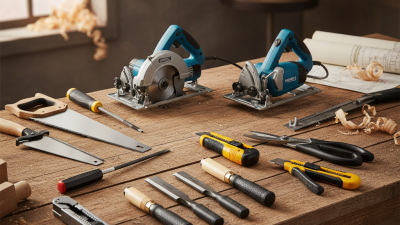
For every DIY enthusiast, having the right hardware tools is crucial. These tools can make projects easier and more enjoyable. A well-equipped toolkit not only enhances efficiency but also inspires creativity. The right tools empower you to tackle various tasks, from simple repairs to complex builds.
Choosing hardware tools can be overwhelming. With so many options available, selecting the best can feel daunting. It’s essential to understand what tools suit your needs. Each project requires specific tools, and having the wrong one can lead to frustration. Investing in quality hardware tools will pay off in the long run.
Nevertheless, even the most experienced DIYers sometimes overlook essential tools. It's easy to forget the basics when focused on new projects. Reflecting on your toolkit can reveal gaps you may need to address. Embrace the learning process; even seasoned enthusiasts continuously adapt and improve their tool collections.
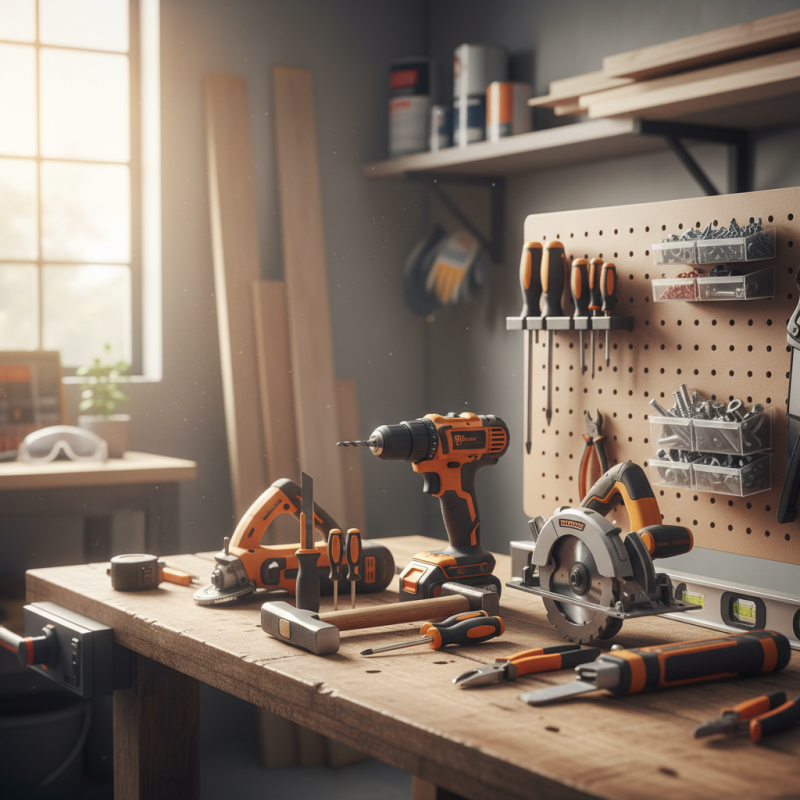
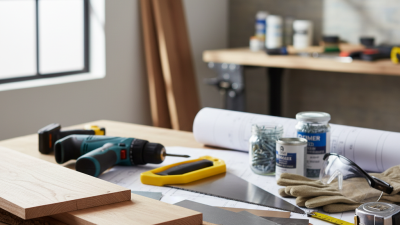
Every DIY enthusiast should have a reliable set of hand tools. These tools enable you to complete various projects, from simple repairs to more complex creations. A sturdy tape measure helps ensure precision in every cut. It’s essential for framing and furniture projects alike. Even a small mistake in measurement can lead to significant problems.
A quality hammer is also indispensable. It’s not just for driving nails; it can help in demolition tasks too. When choosing a hammer, consider the weight and grip. Comfort is key, especially for lengthy projects. A versatile screwdriver set is another must-have. Each type of screw needs its specific driver. Having the right tool simplifies your work and prevents frustration.
Additionally, having a set of pliers is crucial for gripping, bending, and cutting wire. They are useful in tight spaces where fingers can't reach. A utility knife offers versatility for cutting through various materials. Choose one with a retractable blade for safety. Reflecting on your tool inventory can spark improvement. It's always a chance to upgrade or add tools that enhance your DIY experience.
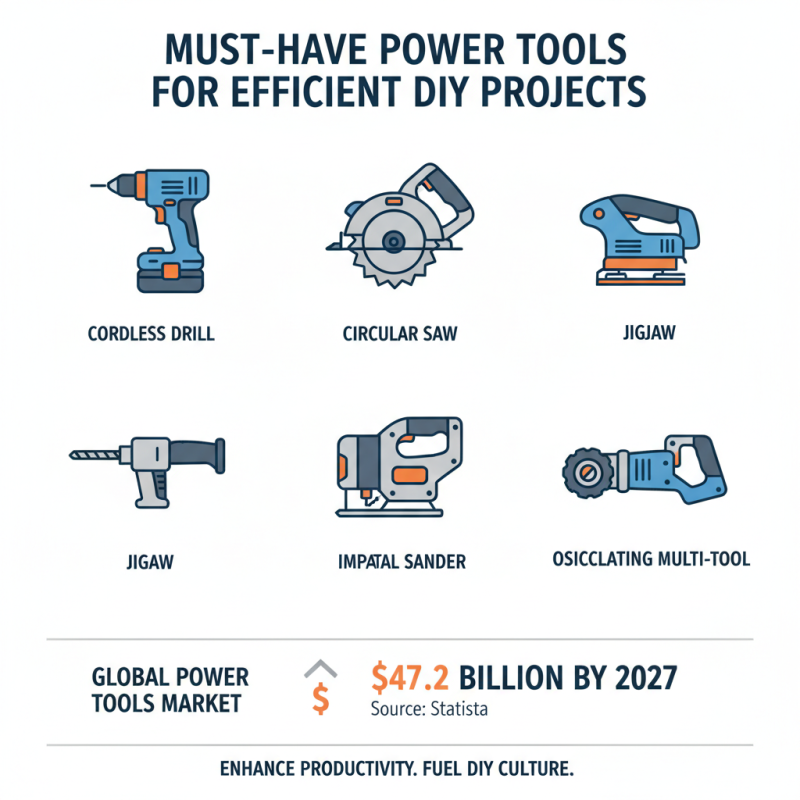
When diving into DIY projects, having the right power tools can make a significant difference. The demand for efficient power tools has grown, with reports indicating that the global power tools market is expected to reach $47.2 billion by 2027 (Statista). This growth reflects both the popularity of DIY culture and the necessity for tools that enhance productivity.
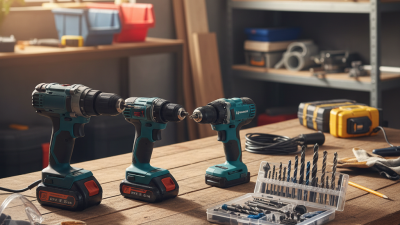
A reliable cordless drill is essential for various tasks, from assembling furniture to tackling home repairs. This tool offers portability and power, making it a favorite among DIY enthusiasts. Additionally, a versatile rotary tool can handle numerous applications, allowing users to cut, grind, and polish with ease. Research shows that 75% of DIY participants find value in tools that can serve multiple purposes, reflecting the need for efficiency in project execution (Harris Poll).
However, not all tools are created equal. Many new DIYers often purchase tools that are beyond their needs or abilities. This can lead to frustration and wasted spending. It's crucial to choose tools you can manage effectively. Taking the time to learn basic techniques can also help prevent mistakes that could derail a project. Embracing a mindset of continuous learning is just as important as selecting the right tools.
When tackling home improvement projects, safety must come first. Proper safety gear is essential for every DIY enthusiast. At minimum, a sturdy pair of goggles is necessary to protect your eyes from dust and debris. Consider wearing a dust mask as well during sanding or cutting tasks. This simple gear can prevent respiratory issues and keep you focused on the job.
Gloves are another critical accessory. They shield your hands from cuts and abrasions. Look for gloves that offer grip without sacrificing dexterity. It’s also wise to invest in knee pads if you'll be working on the floor for extended periods. They add comfort and protect against injury. Many DIYers overlook their surroundings. Ensure your workspace is clear from clutter to avoid accidents.
Hearing protection should not be ignored either. Prolonged exposure to loud tools can lead to hearing loss. Use earmuffs or earplugs during noisy tasks. As you engage in these projects, reflect on your practices. Are you always wearing your gear? Evaluate your safety habits. It's easy to skip steps, but safety is non-negotiable in DIY endeavors.
When it comes to enhancing your DIY skills, specialty tools can make a significant difference. These tools provide precision and efficiency for projects that require more than just the basics. A good quality multi-tool can tackle various tasks with ease. It can handle everything from cutting to sanding, reducing the need for multiple devices.
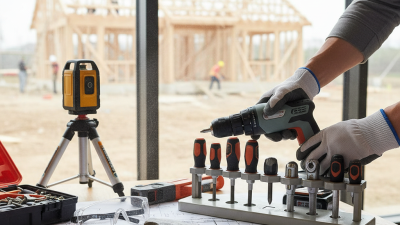
Another valuable addition is a laser level. This tool ensures accuracy when hanging shelves or pictures. It creates a straight line in any space, allowing for professional results. However, it’s essential to understand its proper use. Over-relying on technology may lead to mistakes if not calibrated correctly.
Finally, a compact router can elevate woodworking projects. It allows for intricate designs and finishing touches. But novice users must practice to master its functionality. Mistakes may occur initially. Learning from these errors is part of the journey. Each tool carries its nuances and requires time to fully appreciate. Embrace the learning process.
| Tool | Purpose | Key Features | Ideal For |
|---|---|---|---|
| Cordless Drill | Drilling holes and driving screws | Variable speed, lightweight, rechargeable | Furniture assembly, home repairs |
| Tape Measure | Measuring length and dimensions | Locking mechanism, durable, clear markings | All types of DIY projects |
| Level | Ensuring straight lines and even surfaces | Bubble vials, lightweight, magnetic base | Hanging pictures, shelves, cabinets |
| Utility Knife | Cutting various materials | Retractable blade, ergonomic handle | Crafting, packaging, general purpose |
| Screwdriver Set | Driving and removing screws | Magnetic tips, various heads, comfortable grip | Home repairs, electronics, furniture |
| Pliers | Gripping, twisting, and cutting | Multi-function, durable, good grip | Electrical work, plumbing, general tasks |
| Hammer | Nailing and demolition | Comfortable handle, balanced weight | Construction, repairs, assembling furniture |
| Drill Bits | Creating holes in various materials | Multipurpose, various sizes | Woodworking, metalworking, home improvement |
| Saw | Cutting wood and other materials | Sharp blade, easy to handle | Furniture making, garden work, renovations |
| Safety Gear | Protection during DIY tasks | Gloves, goggles, masks | Any DIY project |
Proper maintenance of hardware tools is essential for enhancing their lifespan and performance. Regular checks can prevent costly replacements. According to a report by the American Tool Institute, tools that receive scheduled maintenance can last 20-30% longer than those that do not. A simple cleaning after each use can drastically improve performance. For example, removing sawdust from blades keeps them sharper.
Lubrication is also crucial. It prevents rust and ensures smooth functioning. In fact, the National Association of Home Builders estimates that nearly 15% of tool malfunctions result from inadequate lubrication. Users often overlook this, leading to frustrating experiences during projects. A quick application of oil can go a long way in maintaining tools for years.
Using the right storage methods is vital. Keeping tools in a dry place protects them from moisture damage. Studies show that nearly 30% of tool deterioration stems from improper storage. Additionally, many enthusiasts fail to use cases or hooks, resulting in damage from misplacement. Simple actions, like hanging tools on a well-organized pegboard, can make a significant difference.