How to Choose the Right Wago Connector for Your Projects?
Choosing the right Wago Connector for your projects is crucial. These connectors offer reliability, efficiency, and versatility in various applications. However, with numerous options available, making the right choice can be overwhelming. Understanding your project's needs and the specific characteristics of each Wago Connector is key.
Wago Connectors are known for their innovation and precision. They provide simple installation and secure connections. Yet, not all connectors suit every scenario. Factors such as wire size, current rating, and environmental conditions greatly influence the decision. Reflect on the specifics of your project. Consider if a simple push-button connector or a more advanced version is needed.
It's essential to balance quality with project requirements. While Wago Connectors are generally reliable, some projects may benefit from specialized alternatives. Assess both the technical and practical aspects of connectors in your selection process. Finding the perfect match may require some exploration and adjustments, but the right Wago Connector can significantly enhance the quality of your work.
Understanding Wago Connectors: Types and Features
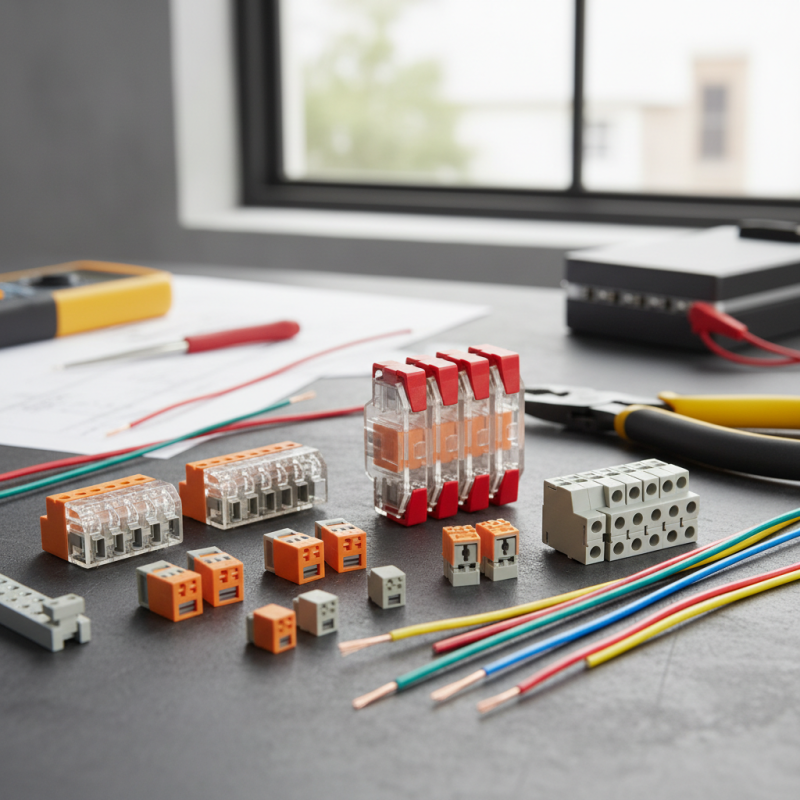
Wago connectors are essential for various electrical projects. Understanding the different types and features can significantly impact your work quality. They come in several configurations, each serving specific purposes. The most common types include terminal blocks, lever connectors, and push-wire connectors.
Terminal blocks are straightforward. They allow for easy connections and disconnections. These connectors are reliable for both residential and industrial applications. Lever connectors offer quick and tool-free operation. They are especially useful in tight spaces. Push-wire connectors are designed for easy wire insertion, providing a solid and permanent connection.
When selecting a Wago connector, consider the wire gauge and application requirements. A common mistake is using a connector that doesn't match the wire size. This can lead to faulty connections or shorts. Take time to assess your project's needs. Review specifications carefully. The right choice can enhance your project's reliability and longevity.
Assessing Project Requirements for Optimal Connector Selection
Choosing the right Wago connector requires a good understanding of your project's specific needs. Start by identifying electrical requirements. Assess the voltage, current, and connection types you'll work with. Don’t overlook environmental conditions like temperature or humidity. Each factor impacts connector performance significantly.
Tips: Always check specifications against your project needs. Create a comparison chart. This method helps visualize options effectively.
Another vital aspect is compatibility. Consider the wire gauge and insulation type. Mismatches can cause connection failures. Evaluate space constraints as well. A connector that fits well can ease assembly.
Tips: Prototype with different connectors. This practice offers invaluable insights. You may learn that what seems ideal on paper might not fit perfectly in reality. Each trial helps refine your decision-making process.
Comparing Wago Connector Specifications and Ratings
When selecting a Wago connector for your project, understanding specifications and ratings is crucial. Look at the wire ranges these connectors support. Different ratings cater to specific wire sizes. Using the wrong connector can lead to poor connections. This can create safety hazards. Always refer to the technical datasheets for precise details.
Voltage ratings are another essential factor. Ensure that the connector can handle the voltage levels in your application. Check the temperature ratings as well. They determine the operating range of the connector. If you ignore these, you may face premature failure. It's common to overlook this detail, yet it can compromise your entire project.
Consider the intended environment too. Connectors often come with varying levels of environmental protection. This is key for applications exposed to moisture or dust. Don't underestimate this aspect. A connector that works great in a lab might fail in a factory setting. Testing in real conditions is wise, but it's easy to be overconfident. Reflect on your experiences when selecting these components.
Evaluating Compatibility with Wiring and Equipment
Choosing the right Wago connector is crucial for project success. When evaluating compatibility with wiring and equipment, consider the specifications. The wire gauge must match the connector. Different connectors suit different purposes. Always check the voltage and current ratings.
Tips: Ensure the connector can handle the load of your project. This avoids overheating and potential failure. Always review the manufacturer’s guidelines to prevent mistakes.
Compatibility extends beyond technical specifications. Consider the environment where the connector will be used. Is it exposed to moisture or vibrations? These factors affect choice. It’s vital to reflect on past projects. What worked? What didn’t? Learning from experience helps refine future selections.
Tips: Regularly inspect connectors in use. Look for signs of wear or corrosion. This assessment helps maintain reliability and ensures safety.
Practical Tips for Wago Connector Installation and Use
Choosing the right Wago connector can be a daunting task. Practical tips can help you navigate this process. When installing, always check compatibility with your wire types. Make sure the connector can accommodate the gauge of wire you are working with. This simple step can save you from complications later.
During installation, ensure that your wires are stripped correctly. Too much exposed wire can cause short circuits. Too little can lead to poor connections. Take your time here; it’s crucial for safety and efficiency. A visual inspection can sometimes reveal mistakes that are easy to overlook.
Don’t forget to test the connections after installation. Use a multimeter to check for continuity. This might seem tedious, but it ensures everything operates as expected. Reflect on what you learn during this process. Mistakes can provide valuable insights for future projects. Always keep a log of what works and what doesn’t. This habit can prove beneficial for enhancing your skills over time.