Top Drill Tools Tips for Efficient Global Sourcing
Global sourcing of drill tools has become a pivotal strategy for businesses aiming for efficiency and cost-effectiveness. With increasing competition, understanding the nuances of sourcing is essential. Companies must navigate diverse suppliers and markets while ensuring quality and reliability.
Effective sourcing requires more than just seeking the lowest price. It involves evaluating the reputation and capabilities of suppliers. Having access to high-quality drill tools is critical for maintaining productivity in various industries. One misstep in sourcing can lead to significant setbacks.
Reflecting on sourcing strategies can reveal opportunities for improvement. Those who adapt their methods can build lasting relationships with reliable suppliers. This can enhance not only the quality of their drill tools but also their overall operational success. Being proactive in this dynamic environment is key.
Top Strategies for Effective Global Sourcing in Drilling Tools
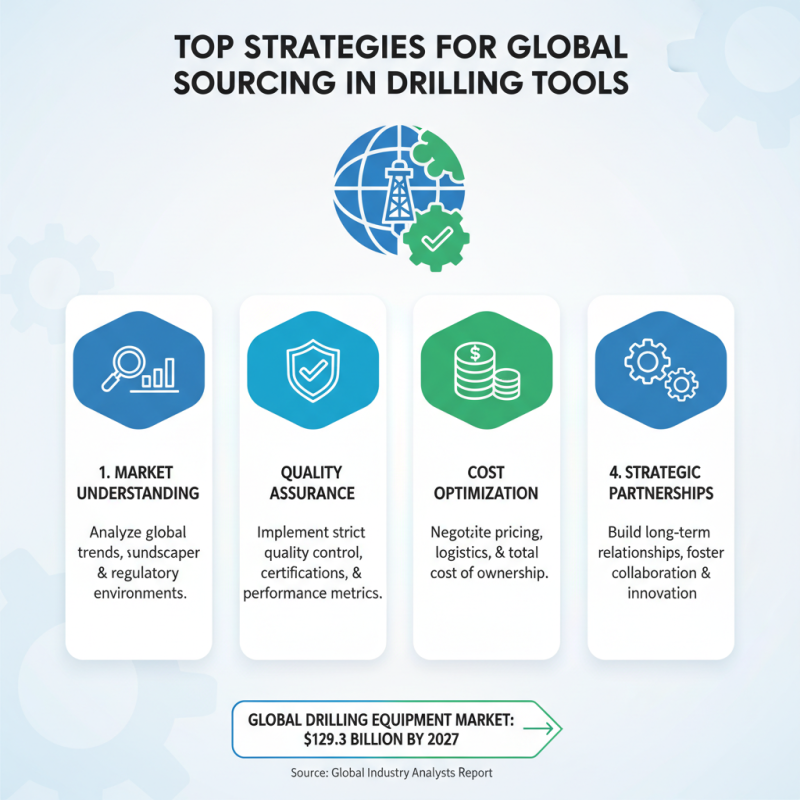
Efficient global sourcing in drilling tools requires strategic planning and market understanding. According to a recent report from the Global Industry Analysts, the global drilling equipment market is projected to reach $129.3 billion by 2027, driven by increased resource exploration. This growth underscores the need for sourcing strategies that optimize costs while ensuring quality.
One effective strategy is to leverage technology for supplier evaluation. Using data analytics, companies can assess supplier performance more effectively. This helps in identifying reliable sources that meet quality standards. For instance, a study by McKinsey shows that companies that used advanced analytics improved their sourcing efficiency by up to 25%. Additionally, establishing strong relationships with suppliers fosters innovation and adaptability.
However, companies often face challenges in balancing cost and quality. Overemphasis on price can lead to subpar materials, impacting productivity. Regular audits and feedback loops with suppliers can mitigate this risk. In the dynamic drilling industry, staying agile and responsive is crucial. Emphasizing flexibility can lead to better negotiation outcomes and long-term partnerships.
Key Metrics for Evaluating Sourcing Partners in Drill Tool Procurement
When evaluating sourcing partners for drill tool procurement, key metrics play a crucial role. Assessing the supplier's reliability is vital. Check their delivery timings. Delays can disrupt your operations. Moreover, product quality should be a top priority. Look for quality certifications or third-party inspections. This ensures you receive consistent and dependable tools.
Cost is another significant factor. While low prices can be appealing, they may indicate subpar quality. Analyze the overall value. Consider long-term benefits rather than short-term savings. Communication and support from suppliers also matter. A partner that offers responsive assistance can enhance your procurement experience.
Finally, review past performance metrics. Monitor their historical data for on-time deliveries and customer feedback. This information reveals their track record and ability to meet your needs. However, be cautious. Even a well-rated supplier can have weaknesses. Reflect on these factors to make informed decisions.
Understanding Regional Market Trends Impacting Drill Tool Supply Chains
Understanding regional market trends is crucial for efficient global sourcing of drill tools. These trends shape the dynamics of supply chains across different regions. For instance, recent reports indicate that Asia-Pacific markets have seen a 15% increase in demand for rotary drill bits, driven by expansion in construction and mining sectors. This significant growth impacts sourcing strategies, urging companies to focus on local suppliers.
Emerging markets exhibit varying supply capabilities. Latin America, while rich in natural resources, often suffers from logistical challenges. A study from the International Energy Agency noted that transportation inefficiencies lead to a 20% surge in operational costs for companies sourcing drill tools there. Understanding these regional nuances is vital for optimizing supply chain efficiency.
Moreover, fluctuation in raw material prices presents a challenge. According to a recent survey by Global Industry Analysts, 52% of drill tool manufacturers reported facing disruptions due to volatile steel prices. This unpredictability necessitates a flexible sourcing approach. Companies must adapt quickly to changes in regional availability and pricing to maintain a competitive edge.
Top Drill Tools Supply Chain: Regional Market Trends
Innovative Technologies Enhancing Efficiency in Drill Tool Sourcing
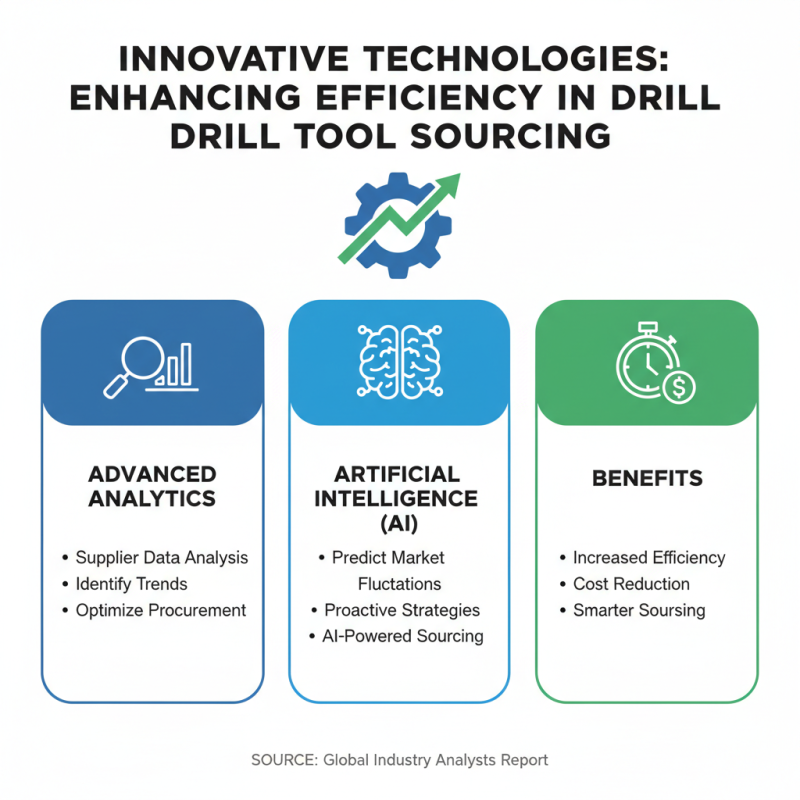
Innovative technologies are transforming drill tool sourcing. A recent report from Global Industry Analysts highlights that advanced analytics and artificial intelligence are optimizing procurement processes. AI can analyze supplier data to identify trends, helping companies source more efficiently. It can also predict market fluctuations, enabling proactive sourcing strategies.
Moreover, cloud-based platforms enhance collaboration. These platforms allow teams across the globe to access real-time data. In fact, a survey conducted by the Procurement Insights Group found that companies using these platforms reported a 20% increase in sourcing efficiency. Yet, challenges remain. Many organizations grapple with data integration and management issues. Without a unified approach, the potential benefits of these technologies may not be fully realized.
The adoption of automation in sourcing processes is gaining traction. It reduces manual tasks, freeing up time for strategic decision-making. However, the transition is not seamless. Employees may resist changes, fearing job displacement. Balancing technology and human expertise is crucial. Organizations must invest in training and change management to ensure success.
Risk Management Techniques for Global Sourcing of Drill Tools
In the dynamic field of drill tools, effective risk management is crucial for global sourcing. A recent industry report indicates that supply chain disruptions have cost companies up to $184 billion annually. Such staggering figures highlight the need for proactive strategies. Identifying potential risks involves assessing various factors, including supplier reliability and geopolitical influences.
Companies should consider diversifying their supplier base to mitigate risks. Relying on a single source can lead to vulnerabilities. According to research, organizations that engage with multiple suppliers experience a 30% reduction in supply chain interruptions. However, this approach requires diligent evaluation of each supplier’s capabilities and risks.
Monitoring market trends is essential. Fluctuations in material costs and changes in regulations can impact sourcing decisions. Implementing a robust risk assessment framework can help organizations anticipate challenges. Integrating technology tools, like AI-based analytics, provides valuable insights. Companies often overlook the importance of regular audits to ensure compliance with safety and quality standards. In the complex world of global sourcing, remaining vigilant is key.
Top Drill Tools Tips for Efficient Global Sourcing - Risk Management Techniques for Global Sourcing of Drill Tools
| Risk Factor |
Impact Level |
Mitigation Strategy |
Source Location |
Supplier Evaluation Frequency |
| Quality Control Issues |
High |
Regular audits and quality checks |
Asia |
Quarterly |
| Supply Chain Disruptions |
Medium |
Diversify suppliers and logistics partners |
North America |
Bi-Annual |
| Regulatory Compliance |
High |
Stay updated with local regulations |
Europe |
Annual |
| Political Instability |
High |
Monitor political climate regularly |
Middle East |
Continuous |
| Currency Fluctuations |
Medium |
Use forward contracts |
Various |
Monthly |