Why Are New Tools Revolutionizing Our Daily Lives?
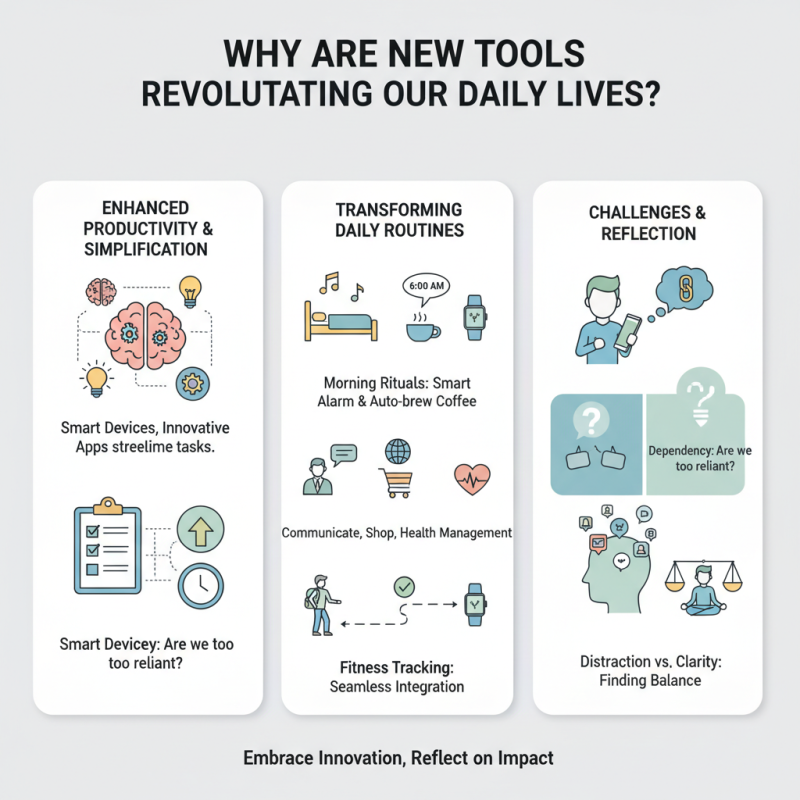
In today's fast-paced world, new tools are radically changing our daily routines. From smart devices to innovative apps, technology enhances productivity and simplifies various tasks. These tools transform how we communicate, shop, and even manage our health.
Consider a typical morning: a smart alarm wakes you up. Your coffee brews automatically. As you dress, a fitness tracker monitors your steps. These examples illustrate how new tools integrate seamlessly into our lifestyles. However, reliance on technology raises questions. Are we becoming too dependent on these aids?
Moreover, while new tools promise efficiency, they can also lead to distractions. Notifications interrupt focus and often demand immediate attention. Striking a balance between benefiting from new tools and maintaining mental clarity is crucial. As we embrace these innovations, reflecting on their impact remains essential.
The Impact of Smart Devices on Daily Productivity and Efficiency
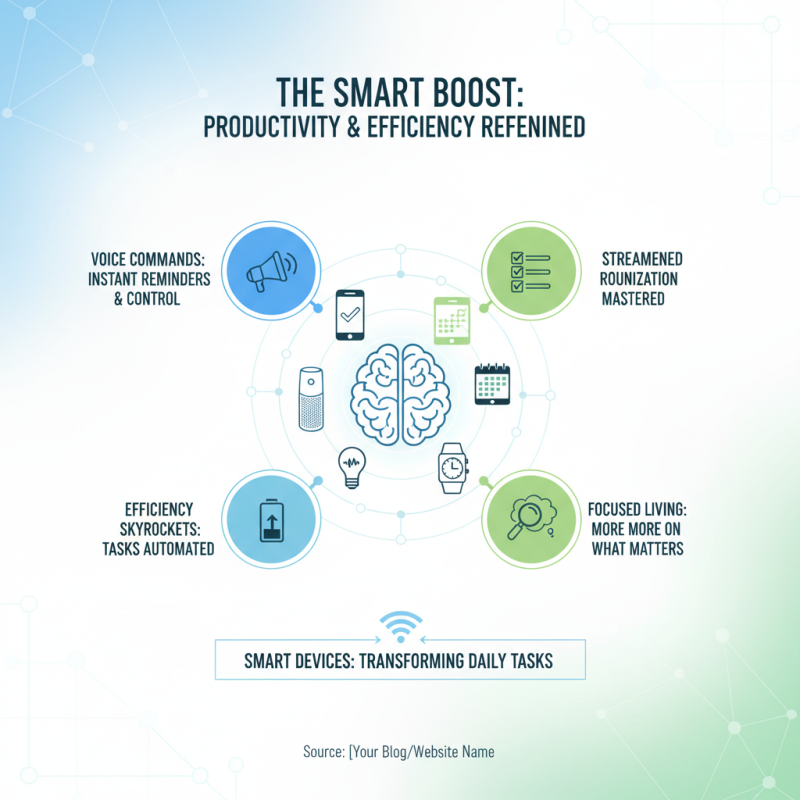
Smart devices are transforming how we manage our daily tasks. With tools like smart home assistants and productivity apps, our efficiency has skyrocketed. These technologies enable us to streamline routines, making us more organized. For example, a simple voice command can set reminders or adjust lighting. This convenience helps us focus more on what truly matters.
However, reliance on these tools raises concerns. Many feel overwhelmed by notifications and constant connectivity. The risk of distraction can undermine productivity. Balancing tech use is crucial. While smart devices can enhance efficiency, they may also contribute to stress and information overload. This paradox invites us to reflect on how we engage with technology daily.
Moreover, the integration of smart devices into our lives can lead to a dependency that feels uncomfortable. When we forget to turn off a smart appliance, it raises questions about our control over technology. This interaction between convenience and dependency is a critical topic. Embracing change is essential, but we must remain mindful of potential downsides in our quest for efficiency.
Emergence of AI Tools and Their Role in Streamlining Daily Tasks
The rise of artificial intelligence (AI) tools is transforming how we manage daily tasks. These technologies streamline activities, allowing us to focus on what truly matters. For example, scheduling apps can automatically find suitable meeting times based on everyone's calendar availability. This saves users from the back-and-forth of endless emails.
Moreover, AI-driven tools can aid in personal finance management. They analyze spending habits and suggest budgets that fit individual lifestyles. However, reliance on these tools isn't without its challenges. While they enhance efficiency, users must ensure data privacy and security. Trusting AI with sensitive information requires careful consideration.
Despite their immense potential, not everything works perfectly. Users may encounter issues with accuracy or misinterpretation of data. These moments highlight the importance of human oversight. Combining AI capabilities with personal judgment might yield the best results. As we embrace these changes, it’s essential to reflect on their implications in our lives.
Why Are New Tools Revolutionizing Our Daily Lives? - Emergence of AI Tools and Their Role in Streamlining Daily Tasks
| Task Category |
Traditional Method Time (hrs/week) |
AI Tool Method Time (hrs/week) |
Time Saved (hrs/week) |
| Scheduling |
6 |
2 |
4 |
| Email Management |
8 |
3 |
5 |
| Research |
10 |
4 |
6 |
| Data Analysis |
12 |
5 |
7 |
| Content Creation |
15 |
6 |
9 |
Data-Driven Insights: How Analytics Tools Transform Everyday Decisions
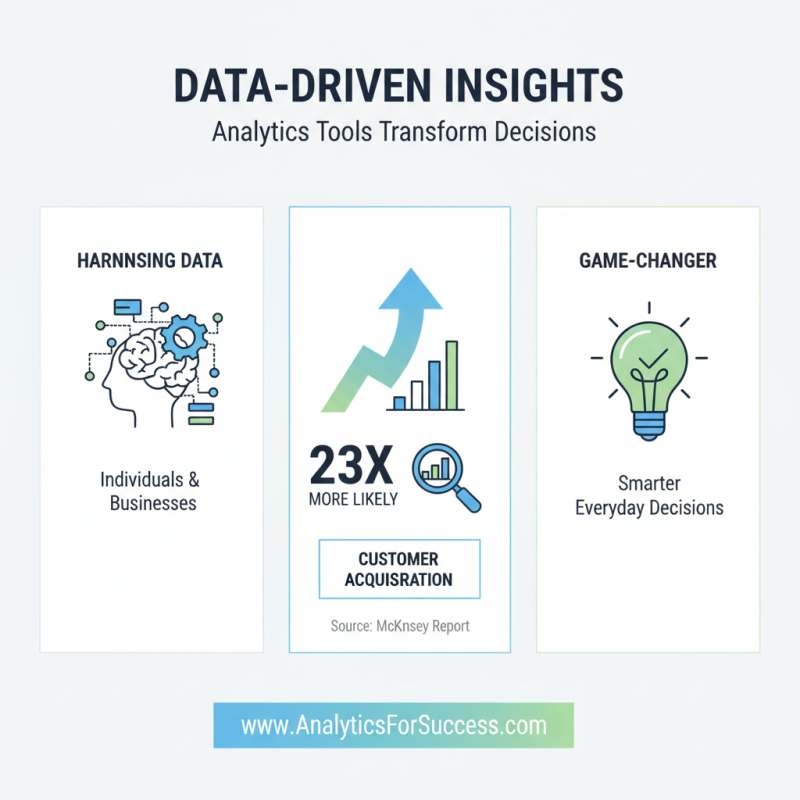
Data-driven insights are reshaping how we make everyday decisions. With analytics tools, individuals and businesses can harness vast amounts of data. For instance, according to a recent McKinsey report, organizations that utilize data effectively are 23 times more likely to acquire customers. This shows that leveraging analytics can be a game-changer.
Each decision can now be more strategic. Data tools help identify trends and customer preferences. The right insights can enhance product offerings or refine services. This transformation can improve user experiences significantly but requires careful interpretation of the data. Not all analytics provide clear-cut answers. Sometimes, data can be misleading, prompting a need for human judgment.
Tip: Always validate your data sources. Ensuring you rely on reputable information leads to better decisions.
Utilizing data also helps manage resources wisely. The global analytics market is expected to exceed $450 billion by 2028, as reported by Statista. Companies are investing heavily in tools that predict outcomes. Yet, as we embrace such technology, we must remain cautious. Relying solely on analytics can overlook valuable human insights.
Tip: Combine data insights with personal experiences. This balanced approach can yield the most effective results.
The Rise of Automation: Revolutionizing Household and Workplace Operations
The rise of automation is transforming both our homes and workplaces. Smart devices, such as robotic vacuums and voice-activated assistants, are increasingly common. These tools perform tasks that once took up valuable time. For instance, automated grocery lists help streamline shopping. By minimizing repetitive chores, people can focus on more critical activities.
In workplaces, automation boosts efficiency. Routine tasks like data entry can now be automated. Workers can shift their focus to creative problem-solving. This adjustment may lead to job displacement, creating a need for reskilling. Embracing change is essential as roles evolve.
**Tip:** Regularly assess your daily routines. Identify tasks that automation can handle. This step can lead to increased productivity.
However, the shift towards automation is not without challenges. Reliance on technology can create vulnerabilities, such as data security risks. It's crucial to balance convenience with privacy.
**Tip:** Stay informed about the tools you use. Understand how they protect your information. Empower yourself through knowledge.
Social Connectivity: Enhancing Communication Through New Technological Tools
In today’s fast-paced world, communication is evolving rapidly. New technological tools are reshaping how we connect with others. Social media platforms, messaging apps, and video conferencing software have become central fixtures in our lives. They allow instant interaction, breaking down geographic barriers. Friends and family, once separated by distance, can now share moments in real-time. This encourages stronger relationships, but it also raises questions about authenticity.
Despite the positives, the constant connectivity can feel overwhelming. Notifications can disrupt daily routines and impact mental health. It’s easy to lose ourselves in the digital realm, prioritizing virtual interactions over face-to-face ones. Many people report feeling lonelier, even with numerous online friends. This paradox highlights a need for balance in our use of these tools.
While these advancements improve communication, they demand critical reflection. We should consider how technology influences our conversations and emotional connections. Are we truly listening or just responding? As we navigate this digital age, developing mindfulness about our interactions may restore the depth of communication we often overlook. Embracing new tools is important, but it’s equally essential to maintain genuine connections.
Impact of New Communication Tools on Social Connectivity