Top 10 Cutting Tools Every Buyer Should Know About?
In the world of manufacturing and DIY projects, understanding cutting tools is essential. The right cutting tools can significantly enhance efficiency, reduce waste, and ensure precision. Every buyer, whether a hobbyist or a professional, should be informed about these tools.
Cutting tools come in various shapes and sizes. They serve distinct purposes in different industries. Some are designed for wood, while others excel in metalworking. This diversity can make selection challenging. Knowing the top cutting tools available empowers buyers to make informed decisions.
Selecting suitable cutting tools requires experience and insight. Mistakes can lead to waste and frustration. Familiarity with different tools, such as saws and drill bits, is crucial. Each tool has its pros and cons, which deserve thoughtful consideration. In this guide, we will explore ten essential cutting tools every buyer should know. By doing so, we hope to equip you with the knowledge needed to achieve excellent results.
Essential Criteria for Selecting Cutting Tools
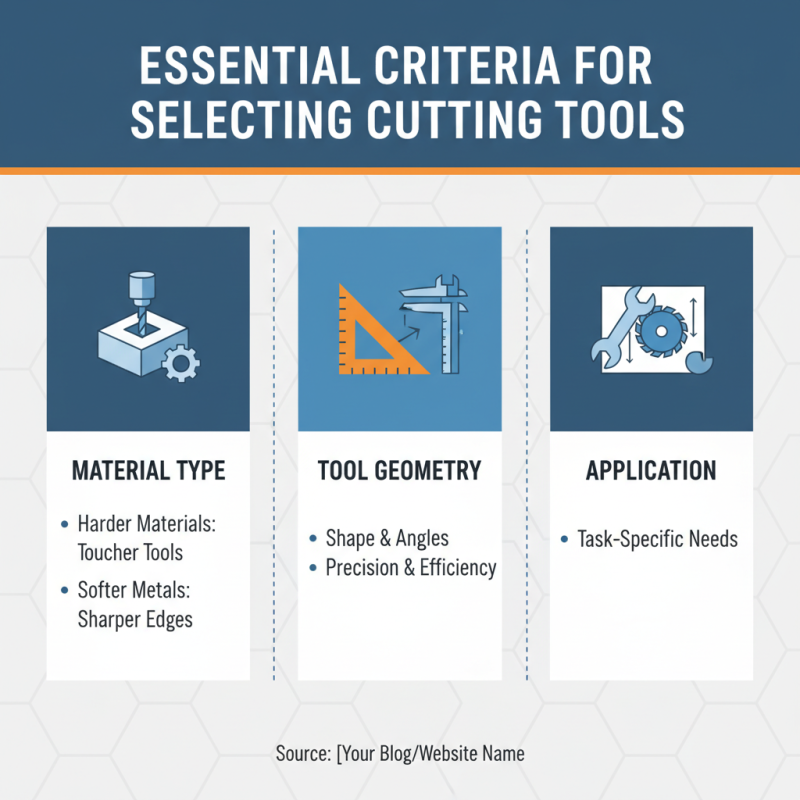
When selecting cutting tools, understanding their application is crucial. The material you are working with determines the type of tool needed. For example, harder materials require tougher tools. Soft metals might need tools with sharper edges. There’s also the aspect of tool geometry. Different shapes and angles cater to specific cutting tasks. This affects precision and efficiency.
Consider the tool's durability and maintenance needs. Some tools require regular sharpening, while others maintain their edge longer. Long-lasting tools can reduce overall costs. Moreover, think about the weight and ergonomics. An uncomfortable tool can lead to fatigue, affecting your work quality. Safety is vital; tools should have features that minimize risks during use.
Aesthetic design might not seem critical, but it can enhance your workflow. Tools that are easy to handle boost confidence. This psychological aspect can influence performance. Always reflect on your experiences and adjust your choices accordingly. Ultimately, the right cutting tool can make a remarkable difference in your projects.
Types of Cutting Tools Used in Various Industries
When considering cutting tools, it's essential to examine their applications across various industries. The manufacturing sector extensively uses tools like end mills and drills. According to the “Global Cutting Tools Market” report, these tools account for nearly 35% of total cutting tool revenue. Their precision allows for intricate designs and high-volume production. However, not all manufacturers achieve optimal performance. Poor tool selection can lead to material waste and increased costs.
In the aerospace industry, specialized cutting tools such as abrasive water jets and laser cutters are prevalent. These tools can handle materials like titanium and carbon fiber. A report by the Aerospace Manufacturing Magazine indicates that precision cutting tools in this sector improve production efficiency by over 20%. Yet, the complexity of these tools often leads to improper training, reducing their effectiveness. Operators must regularly assess tool condition and ensure adherence to safety protocols.
The construction industry often utilizes saw blades and concrete cutters. Data from the Construction Industry Research Board shows that improper tool maintenance can lead to serious accidents. It is vital for workers to receive consistent training and updates on the latest advancements. Investing in high-quality tools is essential, but understanding their limitations is equally important. This awareness can prevent costly mistakes and enhance overall workflow.
Material Considerations for Cutting Tool Durability
When selecting cutting tools, material choice is crucial for durability.
High-speed steel is popular for its toughness and resistance to wear. However, it can lose its edge quickly under extreme conditions.
Carbide tools offer better hardness and can withstand high temperatures.
Yet, they are more brittle and can chip under stress.
Another option is cobalt, which is slightly more flexible than carbide.
It can endure higher temperatures, making it suitable for tough machining tasks. However, cobalt tools may require more careful handling to avoid breakage.
Additionally, tool coatings are essential.
Coatings like titanium nitride enhance durability and reduce friction. But, the coating can wear off, reducing effectiveness over time.
It's important to evaluate your specific needs and material interactions. Not all materials perform equally well.
For instance, aluminum can be problematic with certain steel tools. Factors like coolant type and cutting speed can impact tool life too.
Thus, understanding your application is vital for optimal performance.
Selecting the right material blends experience with the need for reliability in durability.
Maintenance Tips to Extend the Life of Cutting Tools
Cutting tools are essential for various industries. Proper maintenance can significantly extend their lifespan. Neglect can lead to dull blades, which impacts efficiency and quality.
Regular cleaning is crucial. After use, clean tools to remove debris and residue. Use a soft brush or cloth to avoid scratches. Dirt can lead to corrosion, affecting performance. Additionally, inspect tools for any signs of wear or damage.
Sharpening is another key aspect. Dull tools require more force, which can cause accidents. Use a sharpening stone or a dedicated sharpener. This should be done regularly based on usage frequency. Store tools in a dry place, away from moisture. Proper storage prevents rust and prolongs their life.
Keep tools categorized and organized. This minimizes the risk of misplaced or damaged items. Develop a routine for checking your tools. A proactive approach is always better than a reactive one. Ignoring maintenance can lead to costly replacements and downtime.
Innovative Technologies in Cutting Tool Design and Efficiency
Innovative technologies in cutting tool design are reshaping industries. New materials, such as carbide and ceramic composites, enhance durability and performance. These materials resist wear and minimize breakage, which increases overall efficiency. Advanced coatings improve surface characteristics, reducing friction and heat generation. This means less downtime for sharpening and replacement.
Automation and smart technology play a major role in modern cutting tools. Integrated sensors provide real-time data on tool performance. This feedback helps operators make decisions, ensuring optimal cutting conditions. Precision machining is becoming easier with these advancements, but not all operators are fully prepared for the changes. Understanding the limits of technology is crucial.
Moreover, while innovation drives efficiency, the complexity may lead to challenges. Operators must adapt to new features, which can create a learning curve. Some tools may not perform as expected in certain scenarios, leading to frustration. Developing a deep understanding of tool capabilities is essential for successful implementation. Balancing technology with operator skill is key to maximizing cutting tool efficiency.
Top 10 Cutting Tools Every Buyer Should Know About
This bar chart illustrates the efficiency ratings of the top 10 cutting tools based on industry usage and performance metrics. The data showcases tools that are essential for buyers considering innovative designs and cutting efficiency.