2026 Top Circuit Breaker Distribution Panel Buying Guide?
The demand for reliable electrical solutions is ever-increasing. In this context, selecting the right Circuit Breaker Distribution Panel becomes crucial. According to a recent industry report, the global circuit breaker market is expected to reach $20 billion by 2026, indicating substantial growth. This trend highlights the importance of advanced distribution panels for safety and efficiency.
A Circuit Breaker Distribution Panel ensures that electrical currents are effectively managed, preventing overloads and potential hazards. Professional insights suggest that improper selection of these panels can lead to significant safety risks. Inadequate equipment often results in costly downtime and repairs, emphasizing the need for informed choices.
Understanding the specifications and functions of various circuit breaker panels can be overwhelming. Many consumers overlook important details, leading to dissatisfaction and potential safety issues. A well-informed purchase can protect not just investments, but also lives, making this buying guide all the more essential.
Understanding Circuit Breaker Distribution Panels
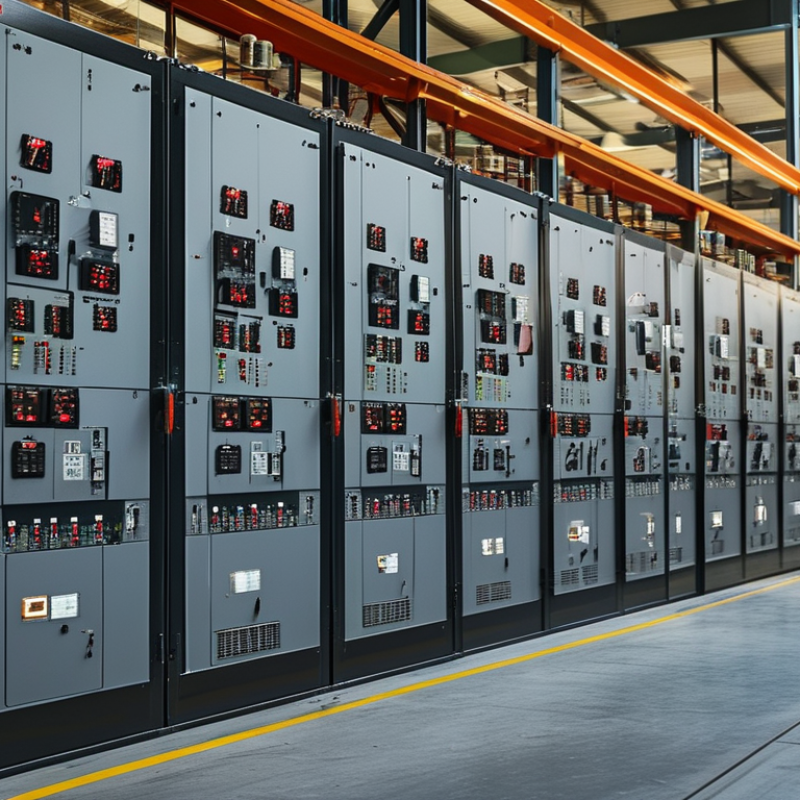
Understanding circuit breaker distribution panels is crucial for any homeowner or professional. These panels act as the control center for electrical systems. They distribute electricity to different circuits and protect against overloads. Understanding their components can help prevent costly damage.
A typical panel features circuit breakers, busbars, and grounding bars. Breakers automatically shut off the current when issues arise. This helps prevent fires and equipment failures. Selecting the right size and type of breakers is essential. Not all panels suit every home. Factors like total load and voltage ratings matter.
When installing, ensure proper connections and grounding. A poorly installed panel can lead to power issues. Regular inspections can identify potential problems. Don't skip maintenance, as this is vital for safety and performance. Recognize that even a brand-new panel can have flaws. Always be ready to reassess your electrical system needs.
Key Features to Consider When Buying a Circuit Breaker Panel
When selecting a circuit breaker distribution panel, paying attention to key features is essential. Start with the panel's capacity. A standard residential panel typically ranges from 100 to 200 amps. However, as homes become more energy-intensive, especially with the integration of smart technology and electric vehicles, panels with higher capacities are becoming necessary. According to a recent industry report, the demand for 400-amp panels is expected to rise by over 30% by 2026.
Next, consider safety features. Advanced circuit breakers often include GFCI (Ground Fault Circuit Interrupter) and AFCI (Arc Fault Circuit Interrupter) functionalities. These elements enhance safety by preventing electrical fires and protecting against electric shocks. The National Fire Protection Association has reported that homes equipped with these breakers have a significantly reduced risk of electrical incidents.
Finally, the panel's physical size and configuration are important. Ensure that it fits into your allotted space and meets local codes. Panels can vary in design, from compact versions for tight spaces to larger setups for extensive systems. Inaccurate sizing can lead to installation challenges and safety concerns. To avoid mistakes, seek professional advice if you're uncertain about the specifications. Careful consideration of these aspects will lead to a more reliable electrical system in your home.
Types of Circuit Breaker Distribution Panels Available in 2026
When exploring circuit breaker distribution panels in 2026, several types are available to meet varying needs. Standard panels remain popular for residential use, offering reliable circuit management in a compact design. These panels accommodate different amperage ratings, typically ranging from 100 to 400 amps, making them suitable for various home sizes.
For those looking for efficiency and flexibility, smart distribution panels are emerging. These modern panels integrate technology, allowing homeowners to monitor energy usage and manage loads through mobile apps. Their remote accessibility is a significant selling point, although they may require careful installation to avoid any initial setup challenges.
Then, consider load center panels. These versatile options are designed for larger buildings and can manage multiple circuits simultaneously. However, their complexity can be a drawback for smaller homes. Understanding the specific electrical demands of your property is essential before making a choice. Each panel type serves unique applications, and weighing their strengths and weaknesses can guide you in the right direction.
Safety Standards and Regulations for Circuit Breaker Panels
When purchasing a circuit breaker distribution panel, understanding safety standards and regulations is crucial. The National Electrical Manufacturers Association (NEMA) outlines essential guidelines for electrical safety. Compliance with these standards ensures reliable performance and minimizes risks during operation. For example, the NEMA 250 standard specifies the environmental ratings of enclosures, which influence how circuit breakers perform under various conditions.
According to a report by the Electrical Safety Foundation International (ESFI), improper installations and failures have led to thousands of electrical fires annually, with damages reaching millions of dollars. This underlines the urgency of adhering to safety protocols. Additionally, the National Fire Protection Association (NFPA) emphasizes the importance of regular inspections and maintenance. These practices not only extend the longevity of the panels but also uphold safety measures.
The landscape of circuit breaker regulation can be challenging. Variations exist at local, state, and federal levels. Frequent updates to codes can also lead to confusion. It's vital for buyers to stay informed and consult with professionals. Knowledge gaps in understanding these standards can result in unsafe installations. A proactive approach to compliance and safety can significantly reduce hazards.
2026 Circuit Breaker Distribution Panel Safety Standards
This bar chart illustrates the prevalence of various safety standards and regulations for circuit breaker distribution panels in 2026. The data reflects the percentage of compliance among different types of panels.
Tips for Installation and Maintenance of Distribution Panels
When it comes to installing and maintaining distribution panels, a few key factors are essential. Proper placement of the panel can significantly affect safety and functionality. Ensure it’s accessible but away from water sources. Clear access prevents accidental disturbances during maintenance. A clutter-free environment allows for better ventilation, reducing overheating risks.
Routine maintenance is equally important. Check for loose connections regularly. This will help prevent electrical failures. Dust and debris can accumulate, especially in outdoor settings. Cleaning the panel occasionally helps maintain its performance. Use a soft brush or cloth to avoid damaging any components. It’s easy to overlook these tasks, but neglect can lead to significant issues down the line.
For added safety, always turn off the main supply before working on the panel. Make sure to wear appropriate protective gear, especially gloves. Mistakes often arise from haste. Take your time to ensure everything is secure and in working order. An unsafe practice during maintenance can lead to dangerous situations. Reflecting on your approach may reveal overlooked details that could enhance safety and efficiency.