10 Best Stainless Steel Pipe Suppliers Worldwide
Choosing a reliable Stainless Steel Pipe supplier affects safety, service life, and project costs. A polished surface alone proves very little. Buyers should examine material grades, manufacturing methods, pressure ratings, tolerances, and traceability records. The best suppliers provide clear mill test certificates, positive material identification, hydrostatic testing, and inspection support. They also explain whether each pipe is seamless, welded, annealed, pickled, or polished.
Harry Brearley, the British metallurgist who developed stainless steel, reportedly wrote, “I began to think that this steel might be used for cutlery.” His observation reflects a practical truth: performance must match the application. A food-processing line needs different surface control than an offshore system. Chemical plants require careful attention to corrosion conditions, temperature, and weld quality. These details separate experienced suppliers from attractive catalogues.
This guide reviews 10 leading Stainless Steel Pipe suppliers worldwide through a buyer’s perspective. It considers production capacity, international certifications, product range, quality systems, delivery reliability, and technical service. Site audits and customer feedback can reveal more than marketing claims. However, no ranking is flawless. Prices change, regional stock varies, and even established manufacturers may perform differently across facilities. That uncertainty deserves honest attention.
The shortlist is intended for engineers, contractors, distributors, and procurement teams. It supports comparison, not blind selection. Before signing an order, verify the exact specification, applicable standard, inspection level, and after-sales responsibility. Small documentation gaps can become expensive problems later.
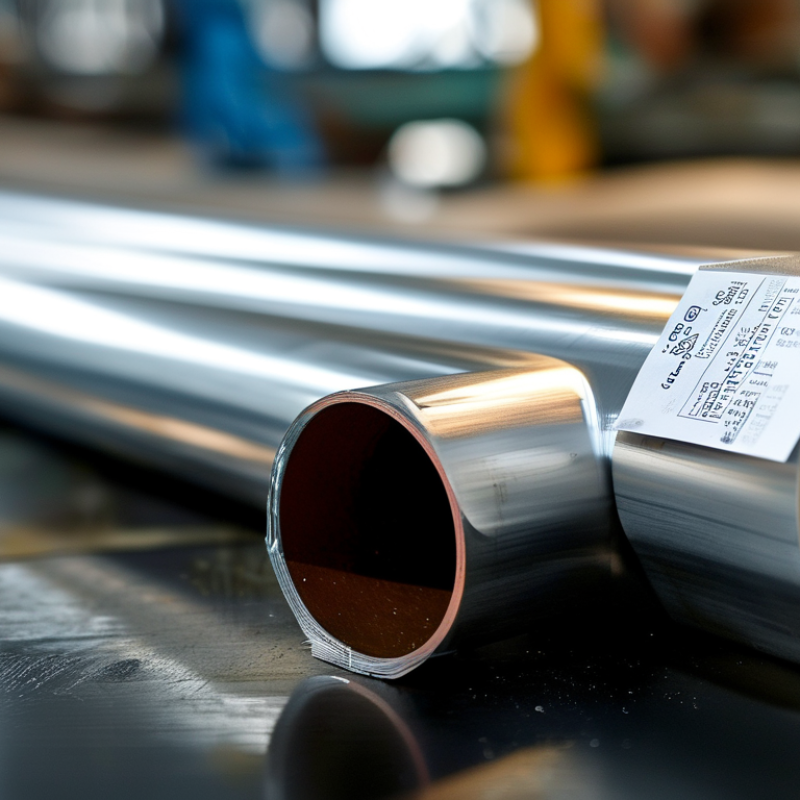
Stainless Steel Pipe Types and Global Industry Applications
Stainless steel pipes support demanding industries worldwide, from food processing plants to offshore platforms. Their value depends on more than polished surfaces. Engineers assess grade, wall thickness, weld quality, corrosion resistance, and traceability before approving a supplier.
Austenitic pipes suit sanitary systems, chemical lines, and coastal equipment because they resist moisture and many corrosive fluids.
Ferritic grades can serve heat exchangers and architectural structures where cost and thermal performance matter.
Duplex pipes offer higher strength for seawater systems and pressure-intensive applications.
Seamless pipe is often selected for high-pressure service, while welded pipe can provide practical efficiency for larger diameters.
Real project conditions matter. A pipe that performs well in a clean factory may fail early near salt spray or acidic vapors.
Tips:
Request mill test certificates, dimensional reports, and surface inspection records. Confirm the intended fluid, operating temperature, pressure, and connection method. Check whether the supplier can provide consistent batches and export packaging. Small details matter.
In construction, stainless steel piping carries water, gas, and chilled fluids through crowded service spaces.
In energy facilities, it handles hot process streams and severe outdoor exposure.
Medical and pharmaceutical systems require smooth internal finishes that reduce contamination risks.
I have seen specifications overlook thermal expansion. That mistake can create stress at joints, even when the pipe grade is correct.
Supplier evaluation should include technical support, realistic lead times, and independent quality checks. No supplier is perfect, and vague documentation deserves a second look.
Standards and Certifications Used by Leading Pipe Suppliers
For a credible worldwide shortlist of stainless steel pipe suppliers, standards matter more than polished catalogs. ASTM A312 commonly covers austenitic stainless steel pipe for pressure service, while ASTM A790 addresses duplex grades. ASME B36.19M defines stainless pipe dimensions and wall thicknesses. European projects may require EN 10216 or EN 10217, depending on manufacturing methods. The correct standard must match pressure, temperature, corrosion, and joining conditions.
Certification is not decoration. ISO 9001 controls quality systems, but it does not automatically certify every pipe. The ISO Survey 2023 recorded 1,265,216 ISO 9001 certificates worldwide, showing broad adoption but not equal technical capability. Suppliers should provide heat numbers, chemical analysis, tensile results, and hydrostatic or nondestructive testing records. EN 10204 inspection documents, especially 3.1 or 3.2 certificates, strengthen traceability. Welding quality may also require ISO 3834, while inspection can reference ISO 17636.
The details reveal experience. Ask whether certificates cover the exact production site, grade, size range, and process. Check accreditation dates and scope. A supplier holding ISO 14001 or ISO 45001 may demonstrate environmental and safety controls, yet these certificates do not prove dimensional accuracy. For regulated pressure equipment, PED 2014/68/EU requirements can add design and conformity obligations. I would not treat paperwork as proof. A polished certificate can still hide weak heat tracking, incomplete weld records, or inconsistent surface finishing. That gap deserves scrutiny.
Stainless Steel Pipe Standards and Certification Frameworks
The chart shows the publication year or legal reference year associated with widely used stainless steel pipe standards and certification frameworks. Product standards define dimensions, materials, manufacturing, testing, and inspection requirements, while management-system certifications address quality, environmental, and occupational health and safety processes. The dates are reference points only and do not represent supplier rankings or market-share data.
References: ASTM A312/A312M, ASME B36.19M, EN 10217-7, EN 10312, ISO 1127, ISO 9001, ISO 14001, ISO 45001, and Pressure Equipment Directive 2014/68/EU.
How to Evaluate Stainless Steel Pipe Suppliers Worldwide
Evaluating stainless steel pipe suppliers requires more than comparing prices. World Stainless reported about 58.4 million tonnes of crude stainless steel production in 2023. This scale creates wide differences in quality, traceability, and delivery discipline. Ask for mill test certificates, heat numbers, and independent inspection records. A reliable supplier should connect each pipe to its material batch.
Check technical control against the required standard, such as ASTM A312 or EN 10217. Review chemical composition, tensile results, wall thickness, surface finish, and hydrostatic testing. Positive material identification is useful when alloy grades look identical. Small details matter. Request sample reports before placing a large order.
Capacity claims also need evidence. Compare monthly output with recent export records, equipment lists, and realistic lead times. UN Comtrade trade data can help test whether a supplier’s shipment history matches its claims. Assess quality systems, but do not treat an ISO 9001 certificate as proof of perfect products. It shows process control, not automatic performance. I have seen paperwork look convincing while packaging failed during handling. That weakness deserves attention. Evaluate corrosion resistance, end protection, labeling, and after-sales response. Ask difficult questions early. A careful supplier will provide measurable answers, not polished promises.
Profiles of the 10 Best Stainless Steel Pipe Suppliers
The strongest stainless steel pipe suppliers differ in more than production volume. They document chemistry, heat treatment, and pressure testing clearly. Supplier One operates an integrated mill with vacuum melting and automated ultrasonic inspection. Its reports normally include heat numbers, dimensions, and mechanical results. Supplier Two focuses on seamless pipes for refineries and high-temperature service. Engineers review wall thickness against project pressure before shipment. Supplier Three serves food and pharmaceutical projects. Its polished tubing arrives with capped ends and traceable surface records. Supplier Four maintains a broad welded-pipe inventory near major ports. This can shorten delivery, although stock levels still require written confirmation. Supplier Five specializes in large-diameter pipes for water and energy infrastructure. It uses forming controls that reduce ovality during fabrication.
Supplier Six is a regional producer with strong knowledge of corrosive coastal conditions. Its technical team recommends grades according to chloride exposure, not guesswork. Supplier Seven combines pipe production with custom cutting and beveling. That service may reduce site labor and prevent dimensional surprises. Supplier Eight emphasizes strict third-party inspection and transparent nonconformance reports. This is reassuring, but buyers should still check the inspector’s scope. Supplier Nine supports smaller orders through a responsive distribution network. It suits maintenance teams needing mixed sizes, but minimum quantities can change. Supplier Ten offers engineered solutions for demanding pressure systems. Its specialists review welding procedures, certificates, and applicable standards before production. The best supplier is not always the largest. A missed tolerance, unclear certificate, or delayed reply can reveal more than a polished catalog. I would request samples, recent test records, and a realistic delivery schedule before making a final decision.
Pricing, Quality, Capacity, and Export Service Comparison
Choosing among the 10 best stainless steel pipe suppliers worldwide requires more than comparing unit prices. A low quotation may exclude testing, inland transport, insurance, or port charges. Compare the full landed cost instead. Quality should be verified through material certificates, chemical composition, wall thickness, surface finish, and pressure-test records. Independent inspection can expose problems that photographs miss. Small details matter.
Production capacity affects reliability during urgent projects. Ask for realistic monthly output, available pipe sizes, lead times, and evidence of completed export orders. A supplier with large capacity may still delay customized specifications. Export service deserves equal attention. Check packaging methods, container loading plans, export documents, communication speed, and support after shipment. Incoterms must be clear. Ambiguity becomes expensive.
Tips: Request samples before signing a large contract. Compare at least three quotations using identical specifications. Confirm whether prices include testing and export packing. Check certificates through authorized laboratories where possible. Public supplier information can become outdated, so verify current capacity directly. A polished website proves little. I would also record every promise in the purchase agreement, because memory is not a reliable quality-control system.