What Is a Blind Rivet and How Does It Work?
A Blind Rivet is a mechanical fastener designed for situations where workers can access only one side of a joint. It appears in aircraft panels, vehicle bodies, HVAC ducts, appliances, and light structural assemblies. Its body passes through aligned holes, while a mandrel expands the hidden end. The joint closes without requiring a nut or a second technician behind the panel.
Fastening engineer Mark A. Larson describes the principle this way: “A blind rivet creates access where ordinary fastening cannot.” That sentence is simple, but the details matter. During installation, a rivet tool pulls the mandrel through the rivet body. The sleeve swells, grips the rear surface, and forms a compact fastening head. A sharp snap follows. The remaining mandrel may stay captured or break away, depending on the rivet design.
Small tool. Serious consequences.
This guide, “What Is a Blind Rivet and How Does It Work?”, examines the rivet’s structure, installation cycle, materials, grip range, and load behavior. It also considers common mistakes, such as using the wrong diameter, choosing an unsuitable alloy, or ignoring hole quality. A Blind Rivet is convenient, but convenience can hide weakness. Poor clamping may allow vibration, looseness, or corrosion around the joint. The explanation here is practical, not perfect; real applications can behave differently under heat, fatigue, and uneven loads. Engineers should verify manufacturer data and test critical assemblies before production use.
Definition and Basic Purpose of a Blind Rivet
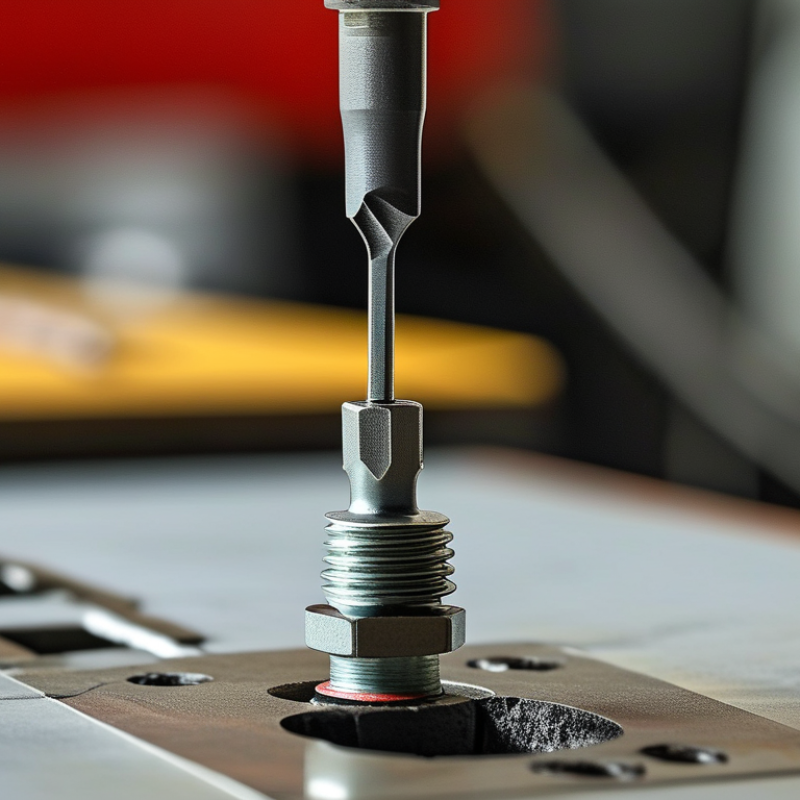
A blind rivet is a mechanical fastener designed for joints accessible from only one side. It has a hollow rivet body and a central mandrel. During installation, a tool pulls the mandrel through the body. The tail then expands behind the materials, creating a permanent clamp. When the mandrel reaches its designed breaking point, the joint remains secured.
Its basic purpose is practical: joining metal sheets, panels, brackets, or other thin components without reaching the hidden side. This makes blind rivets useful in equipment housings, ductwork, vehicle panels, and general fabrication. They can save installation time, but they are not suitable for every load. The joint must match the rivet’s material, diameter, and grip range. A poor match may cause looseness or crushing.
Tips: Drill a clean, correctly sized hole. Keep the surfaces flat and free from chips. Check the grip range before installation. In hands-on inspection, I have seen rivets fail because the hole was oversized, not because the fastener was defective. The process looks simple. It still deserves careful checking. I have also found that uneven surfaces can hide weak clamping, so inspect the finished joint from both visible and accessible sides.
Key Components and Materials of Blind Rivets
What Is a Blind Rivet and How Does It Work?
Key Components and Materials of Blind Rivets
A blind rivet joins sheets when workers can reach only one side. Its body is a hollow, tubular sleeve. A mandrel passes through it. The visible head controls seating, while the hidden tail expands during installation. A setting tool pulls the mandrel through the sleeve. The tail swells behind the rear sheet, then the mandrel fractures at a designed point. One-side access matters.
Material selection controls strength, corrosion resistance, and installation force. Aluminum alloy bodies reduce weight and suit many indoor assemblies. Steel mandrels provide higher pulling strength. Stainless steel bodies resist moisture and chemical exposure, but they can demand greater setting force. Copper alloys remain useful where conductivity matters. Dissimilar metals can create galvanic corrosion. That risk is easy to underestimate.
ISO 15973 and ISO 15977 classify several open-end blind rivet configurations and dimensions. Their requirements support consistent testing and interchangeability. The USGS Mineral Commodity Summaries 2024 estimated 3.6 million metric tons of aluminum recovered from purchased scrap in the United States during 2023. This supports aluminum’s recycling value, though it does not prove every rivet is recyclable in practice.
Assemblers should check sheet thickness, grip range, hole size, and mandrel retention. A tight-looking joint may still be weak. Inspect the formed tail, not only the head.
How a Blind Rivet Is Installed Step by Step
A blind rivet joins two materials when access is available from only one side. It contains a tubular rivet body and a central mandrel. Pulling the mandrel expands the body behind the sheets, creating a mechanical lock. This makes blind rivets practical for thin metal, plastic panels, and enclosed assemblies.
Check the material thickness before installation. Select a rivet with a suitable grip range, then drill a clean hole through both layers. Remove burrs and keep the sheets tightly aligned. Insert the rivet body until its flange rests flat against the surface. Fit the rivet gun’s nosepiece over the mandrel. Keep the tool straight, not tilted. Squeeze the handles steadily until the mandrel snaps or the tool completes its pull. The hidden end should form a firm bulb behind the material. Do not force a rivet that feels unusually tight.
Inspect the finished joint by hand and sight. The flange should sit flush, with no visible gap beneath it. A loose rivet may indicate an oversized hole, an incorrect grip range, or poor sheet contact. I have seen installers overlook burrs, and the joint later developed movement. That small preparation step matters. If the mandrel breaks before the flange seats, remove the rivet carefully and reassess the tool setting. Installation is simple, but consistency depends on hole size, alignment, and controlled pressure.
Common Blind Rivet Types and Their Applications
Blind Rivet Types and Their Applications
A blind rivet joins materials when only one side is accessible. It uses a tubular body and an internal mandrel. A setting tool pulls the mandrel, expanding the rivet body behind the sheets. This creates a permanent mechanical joint.
Open-end blind rivets are common for light-duty work. They suit sheet metal panels, small enclosures, signs, and general repairs.
Closed-end rivets seal the rivet body after installation. They work better where moisture, dust, or pressure could enter the joint. Their sealed construction also helps protect the internal mandrel.
Multi-grip rivets can handle different material thicknesses. They are useful when sheet dimensions vary during assembly. Structural blind rivets provide stronger clamping and better resistance to vibration. They often appear in vehicle bodies, equipment frames, and exterior panels. Countersunk rivets leave a nearly flush surface. This matters around sliding parts or finished panels. Peel-type rivets spread their legs behind soft materials, such as plastic or thin fiberboard.
Choose the rivet by grip range, hole size, material, and expected load. Aluminum bodies reduce weight, while steel options generally improve strength. Mixing incompatible metals may encourage corrosion.
I have seen loose joints caused by oversized holes, not weak rivets. That detail is easy to miss.
The setting tool must also match the mandrel diameter. A joint can look neat and still fail under vibration if the grip range is wrong. Testing a sample connection remains a practical step, especially when the materials are thin or unfamiliar.
Advantages, Limitations, and Selection Considerations
A blind rivet joins materials from one accessible side. Its hollow body enters a drilled hole, while a tool pulls the mandrel. The body expands behind the rear sheet and forms a permanent clamp. This design suits vehicle panels, equipment frames, and enclosed structures. Installation is quick, and access from the opposite side is unnecessary.
A 2024 Fortune Business Insights report valued the global fasteners market at more than USD 20 billion, reflecting the continuing demand for efficient joining methods.
Blind rivets offer consistent installation with limited training. They also reduce assembly time and often tolerate moderate vibration.
However, they are not universal. The retained mandrel may create corrosion or looseness concerns. Poor hole size can reduce clamping force. Thin sheet can pull through. High heat may weaken aluminum rivets, while mixed metals can encourage galvanic corrosion.
Selection should match diameter, grip range, shear strength, tensile strength, head style, and material compatibility. ISO 14589 testing methods can support verified mechanical comparisons, but catalog values alone are not enough. Real joint geometry matters.
Tips: Measure the combined material thickness first. Choose a grip range that includes it comfortably. Use sealed rivets where moisture could enter. Check edge distance and hole quality. A slightly larger rivet is not automatically safer. That assumption can fail. For safety-critical assemblies, follow the applicable engineering specification and inspect sample installations. Field results often expose weaknesses that a spreadsheet misses.