2026 How to Choose the Best Safety Helmet for Your Needs?
Choosing the right Safety Helmet is crucial for protecting your head in various environments. Whether you work in construction, industrial settings, or outdoor activities, a safety helmet can be a lifesaver. With so many options available, selecting the best one can feel overwhelming.
When assessing safety helmets, consider factors like comfort and fit. A poorly fitting helmet can reduce protection. Additionally, the material and type of helmet play a significant role in its effectiveness. Some helmets also offer features like ventilation and face shields, which enhance usability.
It's important to remember that not every helmet suits every situation. Reflect on your specific needs and safety requirements. What might work for one person may not be ideal for you. Take the time to research and test various helmets. A safety helmet is an investment in your well-being, so choose wisely.
Understanding Different Types of Safety Helmets Available in the Market
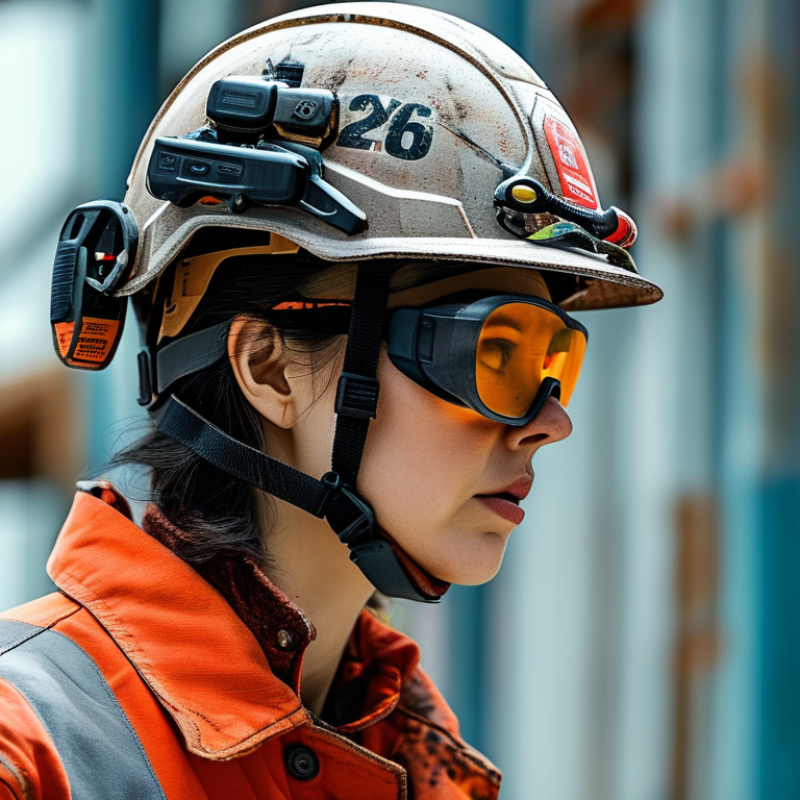
Choosing the right safety helmet is crucial for protection and comfort. There are several types of safety helmets available on the market. Hard hats are commonly used in construction. They provide essential protection against falling objects. Some helmets include additional features like earmuffs or face shields. These features increase functionality, making them suitable for various job sites.
Another type is the climbing helmet. These helmets are lightweight and designed to protect against impacts from above. They often have ventilation systems for comfort. If you work in an environment with electrical hazards, look for helmets with dielectric properties. These helmets help reduce the risk of electric shock.
Not all helmets fit all head shapes. Trying them on is essential. A helmet should fit snugly but not too tight. Regular inspections are necessary to check for damage. Over time, helmets can wear out or become less effective. Take the time to evaluate your specific needs to ensure the best possible protection. Remember, safety helmets are not one-size-fits-all.
Key Features to Look for in a Quality Safety Helmet
When selecting a safety helmet, focus on certain key features. A helmet's material is essential. Look for durable options like polycarbonate or high-density polyethylene. These materials withstand impact and resist wear over time. A lightweight helmet ensures comfort during extended use. Comfort often leads to better protection, as users are less likely to remove it.
Ventilation is another vital aspect. Proper airflow helps prevent heat buildup. Helmets with adjustable vents enhance comfort in various environments. Consider the suspension system as well. A well-designed suspension absorbs impact and provides a better fit. Adjustable options can accommodate different head sizes.
Don’t forget additional features, like visor attachments or reflective strips. Both enhance safety in varying conditions. Pay attention to certifications, too. Regulatory standards indicate the helmet meets specific safety requirements. Maintaining your helmet is just as important as selecting it. Regular checks can identify wear and tear, ensuring continued protection.
How to Determine the Right Size and Fit for Your Safety Helmet
Choosing the right size and fit for your safety helmet is crucial. A helmet that is too loose can slip during use. This can lead to inadequate protection. Conversely, a helmet that is too tight can cause discomfort and headaches. Both scenarios can impair focus on the task at hand.
To determine your helmet size, measure the circumference of your head about an inch above your eyebrows. Use a flexible tape measure for accuracy. Compare your measurement with the helmet size chart provided by manufacturers. Remember, helmet sizes can vary widely among different designs. It's a good practice to try the helmet on, if possible. Adjust the chin straps so they fit snugly but not painfully.
When wearing a helmet, look for a comfortable fit. It shouldn't move when you nod your head. Some discomfort may occur as you adjust to wearing a helmet. This doesn’t mean the fit is correct. It might take trial and error to find the perfect helmet. Don't rush this process; safety is paramount. If you’re continually adjusting or readjusting your helmet, it’s time to reconsider your choice.
2026 How to Choose the Best Safety Helmet for Your Needs?
| Helmet Type | Size Range (cm) | Weight (grams) | Ventilation | Usage |
| Full-Face Helmet | 54 - 62 | 1200 | Low | Construction |
| Type 1 Helmet | 55 - 61 | 500 | High | Industrial |
| Bump Cap | 53 - 60 | 350 | Moderate | Light-duty |
| Welding Helmet | 56 - 62 | 800 | Low | Welding |
| Electrical Helmet | 57 - 63 | 720 | Medium | Electrical work |
Assessing Safety Standards and Certifications for Helmets
When selecting a safety helmet, understanding safety standards and certifications is crucial. Helmets must meet specific criteria to ensure adequate protection. Organizations like ANSI and ISO set rigorous standards for helmet safety, which include impact resistance, penetration resistance, and strength under extreme temperatures. For instance, ANSI Z89.1 outlines performance requirements for industrial helmets, highlighting their capacity to withstand various hazards.
Moreover, compliance with international standards can vary. A helmet meeting EN 397 requirements indicates it has passed stringent tests for shock absorption and electrical insulation. Research shows that helmets adhering to these standards reduce severe head injuries by 85%. However, not all helmets on the market meet these expectations. Some may appear visually compliant but fail to provide actual protection.
Beyond certifications, consider the helmet's fit and comfort. A poorly fitting helmet can compromise safety, regardless of its ratings. Studies indicate that a helmet worn incorrectly or loosely decreases its protective abilities significantly. Balancing certifications, comfort, and actual user conditions is essential for optimal safety.
Maintenance Tips to Extend the Lifespan of Your Safety Helmet
When it comes to safety helmets, proper maintenance is crucial for extending their lifespan and ensuring your safety. According to the American National Standards Institute (ANSI), regular inspections can prevent potential hazards. Helmets should be checked for cracks, dents, or signs of wear. These little details can significantly affect performance in an emergency.
To maintain your safety helmet effectively, clean it regularly with mild soap and water. Avoid harsh chemicals that could degrade the material. A complete wipe-down should occur after exposure to chemicals or debris. This simple step can prolong the integrity of the helmet, ensuring it remains reliable when you need it most.
Storing your helmet correctly is another important aspect. Avoid leaving it in direct sunlight or in extreme temperatures. Those conditions can weaken the materials. Instead, use a padded bag to protect it. Keeping your helmet in a cool, dry place is ideal. Regular maintenance and correct storage can significantly enhance its lifespan. Always make sure to replace it after a significant impact or after five years of use, as compounding damage may not be visible to the naked eye. This proactive approach ensures that your helmet offers the maximum protection possible when you need it.