How to Choose the Best Construction Materials and Tools?
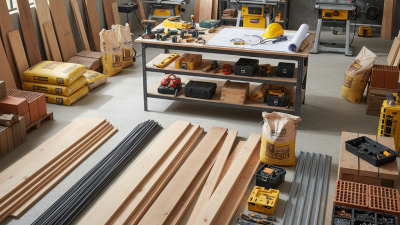
Choosing the right construction materials and tools is crucial for any building project. The quality of materials affects the longevity and safety of structures. A strong foundation relies on selecting suitable items that meet specific project needs. Understanding various materials is essential. For example, wood, metal, and concrete each have unique properties. These can influence both durability and cost.
Equally, choosing the right tools is important. A reliable set of tools can enhance work efficiency and precision. Investing in high-quality tools may seem costly initially, but it saves time and money in the long run. Remember that poor choices can lead to significant delays and additional expenses.
When selecting construction materials and tools, consider your project's scale and budget. Reflect on your past experiences. Have you encountered challenges with certain materials? Did any tools disappoint you in performance? Learning from these moments can guide your future decisions and improve project outcomes.
Understanding the Importance of Selecting Quality Construction Materials
Selecting quality construction materials is vital for any building project. High-quality materials ensure durability and longevity. According to the National Association of Home Builders, using superior materials can reduce maintenance costs by up to 20%. This can lead to significant savings over the years.
When choosing materials, consider their environmental impact. The U.S. Green Building Council reports that sustainable materials can improve energy efficiency by 30%. This not only helps the planet but can also lower utility bills. It's essential to balance quality with sustainability. Sometimes, the most affordable options may not meet industry standards.
Tips for selecting materials:
- Research local suppliers. Many offer testing results.
- Consult professionals who have experience in the field. Their insights can save you time and money.
- Don't overlook the necessity of safety certifications. Materials should comply with industry regulations to avoid future hazards.
Quality should never be compromised. Prioritizing it will pay off in the long run, despite initial higher costs. Reflect on your choices often. They influence the outcome of every project you undertake.
Construction Materials and Tools Quality Comparison
Evaluating Different Types of Construction Materials: Pros and Cons
When evaluating construction materials, it’s essential to consider their unique pros and cons. For instance, concrete is praised for its strength and durability. According to a report by the National Ready Mixed Concrete Association, concrete can last over 100 years with proper maintenance. However, it also has a high carbon footprint during production, raising environmental concerns.
Wood, on the other hand, is a popular choice due to its aesthetic appeal and insulation properties. The U.S. Forest Products Laboratory states that wood is a renewable resource, but overharvesting presents sustainability challenges. Moreover, wood is susceptible to pests and requires ongoing maintenance, which may lead to increased costs in the long run.
Metal materials, like steel, offer resilience and design flexibility. A study from the American Institute of Steel Construction highlights that steel is 100% recyclable, making it a sustainable option. Yet, exposure to moisture can lead to rust, necessitating protective treatments. These factors should be weighed carefully when selecting materials for your project. Making an informed choice involves recognizing both the benefits and the limitations of each material.
Key Tools for Construction: Essential Equipment Every Builder Needs
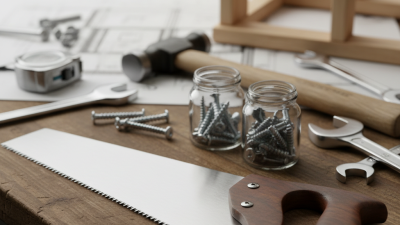
In construction, having the right tools is crucial for success. Essential equipment includes various hand tools and power tools. For instance, a quality hammer is a must-have. It helps drive nails and make precise adjustments. Measuring tools, like tape measures, are equally important. Accurate measurements prevent costly mistakes.
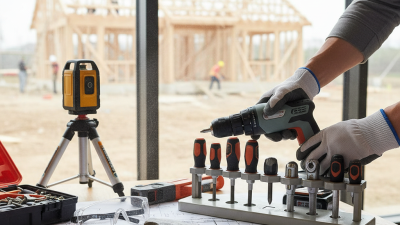
When selecting tools, consider the task at hand. For example, if you're working with heavy materials, a sturdy pry bar will assist in moving them. Often overlooked, safety gear should also be part of your toolkit. Protection for your eyes, ears, and hands is non-negotiable.
Tips: Always check your tools regularly. Worn-out items can lead to accidents. Also, invest in storage solutions to keep your workspace organized. This helps prevent confusion during projects. Remember, the right equipment can significantly impact your efficiency and the quality of your work. Regular maintenance extends the life of your tools, ensuring reliability.
How to Choose the Best Construction Materials and Tools?
| Material/Tool |
Type |
Usage |
Durability |
Cost (per unit) |
| Cement |
Construction Material |
Concrete production |
High |
$100 |
| Steel Rebar |
Construction Material |
Reinforcement in concrete |
Very High |
$0.70 per kg |
| Wood |
Construction Material |
Framing, finishing |
Medium |
$2.50 per board ft |
| Brick |
Construction Material |
Walls, pavements |
High |
$0.50 each |
| Hammer |
Tool |
Nailing, demolition |
High |
$15 |
| Drill |
Tool |
Drilling holes, fastening |
High |
$60 |
Sustainability in Construction: Choosing Eco-Friendly Materials
Sustainability in construction is becoming increasingly crucial. Choosing eco-friendly materials reduces environmental impact and promotes a healthier future. Many builders are now exploring renewable resources, such as bamboo and reclaimed wood. These materials not only provide strength but also enhance aesthetic appeal.
When selecting materials, consider their life cycle. Look for options with low embodied energy and minimal waste. Some eco-friendly materials can be more expensive upfront. However, they may lead to significant energy savings later. For instance, insulating materials reduce heating and cooling costs over time, contributing to long-term sustainability.
It’s essential to question traditional practices and materials. Are they really the best choices? Local sourcing can also decrease carbon footprints. Remember, every decision impacts the environment. Reflecting on these choices fosters a deeper commitment to sustainability in construction.
Cost Analysis: Balancing Budget with Quality in Material Selection
Choosing construction materials and tools involves careful consideration of costs. Quality often comes at a higher price, but it is essential for long-term durability. A report by the National Association of Home Builders noted that improper material selection can lead to increased repair costs, sometimes exceeding 10% of the original project budget.
It's crucial to analyze the balance between cost and quality. According to the American Institute of Architects, project budgets can be significantly impacted by material choices. For example, opting for high-quality insulation may increase upfront costs by 20%. However, it can save up to 50% on energy bills over a decade. This type of value analysis shows why investing in better materials can be financially wise.
While striving for the best quality, one must also reflect on the overall budget. A survey found that 30% of contractors report budget overruns due to unforeseen material expenses. Recognizing this risk can lead to better planning and resource allocation. Balancing quality and budget is not just a metric; it’s an ongoing challenge that requires experience and insight.