How to Choose the Right Building Materials Tools for Your Next Project
Choosing the right building materials tools for your next project is a critical step that can determine the overall efficiency and effectiveness of your construction endeavor. Whether you are a seasoned contractor or a DIY enthusiast, understanding the types of tools available and their specific applications is essential. With countless options on the market, selecting suitable building materials tools involves more than just picking up the most popular or expensive items. It requires a clear assessment of your project needs, the materials you plan to use, and the skill level required for the tasks at hand.
As you embark on your project, consider the various categories of building materials tools, such as hand tools, power tools, and specialized equipment. Each category serves distinct purposes and may greatly influence the quality of your work. In addition, evaluating the durability, safety features, and ease of use of these tools can lead to a more successful execution of your build. By prioritizing these factors, you set the foundation for selecting the most appropriate tools that not only enhance productivity but also ensure safety on-site. This guide aims to simplify the process of choosing the right building materials tools, providing you with the knowledge needed to make informed decisions for your construction project.

Understanding Your Project Requirements and Goals
When embarking on a new building project, understanding your specific requirements and goals is the first step towards selecting the right materials and tools. You should consider the scope of the project, the environment where you’ll be working, and any aesthetic preferences. For example, if you are constructing a home in a humid climate, materials that can withstand moisture and prevent mold growth should be prioritized. Aligning your materials with your project goals will not only ensure longevity but also enhance the overall outcome.
**Tips:** Always create a comprehensive list of your project needs, including expected durability, maintenance requirements, and cost considerations. Gathering input from different stakeholders can provide valuable insights that inform your choices.
Another important factor is to assess the tools you’ll need based on the materials selected and the complexity of the tasks at hand. Ensure that you have high-quality tools that match your skill level, as this can significantly impact your efficiency and the quality of the work.
**Tips:** Consider renting specialized tools that you may only need for a short period, which can save on costs and storage space. Research the latest technologies in building tools that can make your project easier and more effective.
Identifying Essential Building Materials and Tools
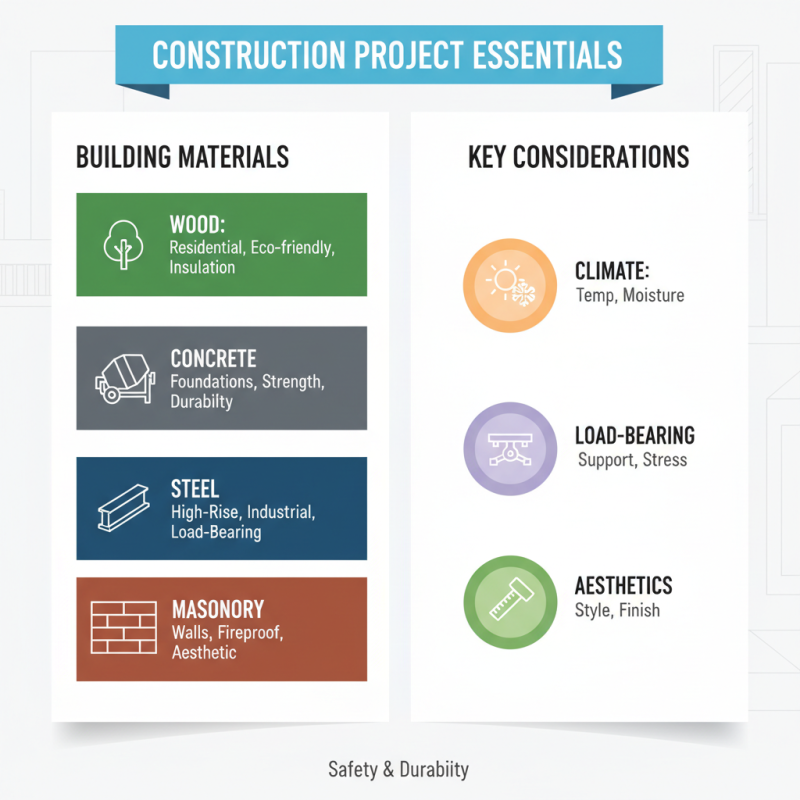
When embarking on a construction project, the selection of appropriate building materials and tools is critical for ensuring not only the success of the project but also its safety and durability. Essential building materials can vary widely depending on the type of project—whether it's residential, commercial, or industrial. Common materials include wood, concrete, steel, and masonry. Each material possesses unique properties such as strength, insulation, and durability, making it crucial to assess the specific needs of your project before making a decision. Factors like climate, load-bearing requirements, and aesthetic preferences should guide your choices to achieve optimal results.
In addition to materials, the choice of tools plays a significant role in the efficiency and effectiveness of your work. Essential building tools include hand tools, power tools, and specialized equipment tailored to specific tasks. For instance, items like hammers, saws, drills, and measuring devices are fundamental for almost any construction effort. Additionally, more advanced machinery, such as concrete mixers or scaffolding, may be necessary depending on the scope of the project. Understanding the purpose and functionality of each tool will empower you to select the right ones, making the building process smoother and reducing the risk of errors or accidents on site.
Evaluating Material Durability and Suitability
When embarking on a construction project, evaluating the durability and suitability of building materials is crucial to ensure long-lasting results. Durability refers to the material's ability to withstand various stressors, including weather, wear, and environmental impacts over time. Factors such as moisture resistance, temperature fluctuations, and exposure to chemicals can significantly affect a material’s lifespan. It is essential to select materials that not only meet aesthetic and functional requirements but also possess resilience against the specific conditions they'll face in their intended environment.
Suitability goes hand in hand with durability. It involves assessing if a material is appropriate for a given application in terms of structural integrity and performance. For instance, using lightweight materials for scaffolding may compromise safety, while heavy materials could be impractical for smaller structures. Additionally, considerations like local building codes, environmental impact, and sustainability should also play a role in your decision-making process. By meticulously evaluating both durability and suitability, you can select the right materials that will contribute to the success and longevity of your project.
Budgeting for Quality Tools and Materials
When embarking on a construction project, the importance of budgeting for quality tools and materials cannot be overstated. Investing in high-quality building materials is essential, as they directly influence the durability and safety of the structure. While it may seem tempting to cut costs by opting for cheaper options, doing so can lead to higher expenses in the long run due to repairs and replacements. Therefore, setting a realistic budget that accommodates premium materials should be a primary consideration in your planning phase.
In tandem with material selection, allocating funds for proper tools is equally vital. Quality tools not only make the work easier but also ensure that the job is done correctly and efficiently, reducing the chances of errors that can result in costly delays. Evaluate the tools you already possess and identify any gaps that may exist. This way, you can create a targeted budget that prioritizes essential equipment while allowing for adjustments if unexpected costs arise. By strategically planning your budget, you pave the way for a successful project that meets both your vision and standards.
How to Choose the Right Building Materials Tools for Your Next Project - Budgeting for Quality Tools and Materials
| Tool/Material |
Category |
Estimated Cost ($) |
Quality Rating (1-5) |
Recommended For |
| Cordless Drill |
Power Tools |
120 |
4 |
General DIY Projects |
| Circular Saw |
Power Tools |
150 |
4.5 |
Woodworking |
| Hammer |
Hand Tools |
20 |
5 |
General Construction |
| Measuring Tape |
Measurement Tools |
15 |
5 |
Any Project |
| Level |
Measurement Tools |
30 |
4.5 |
Framing and Hanging |
| Safety Goggles |
Safety Gear |
25 |
5 |
Construction and Renovation |
Sourcing and Procurement Strategies for Tools and Materials
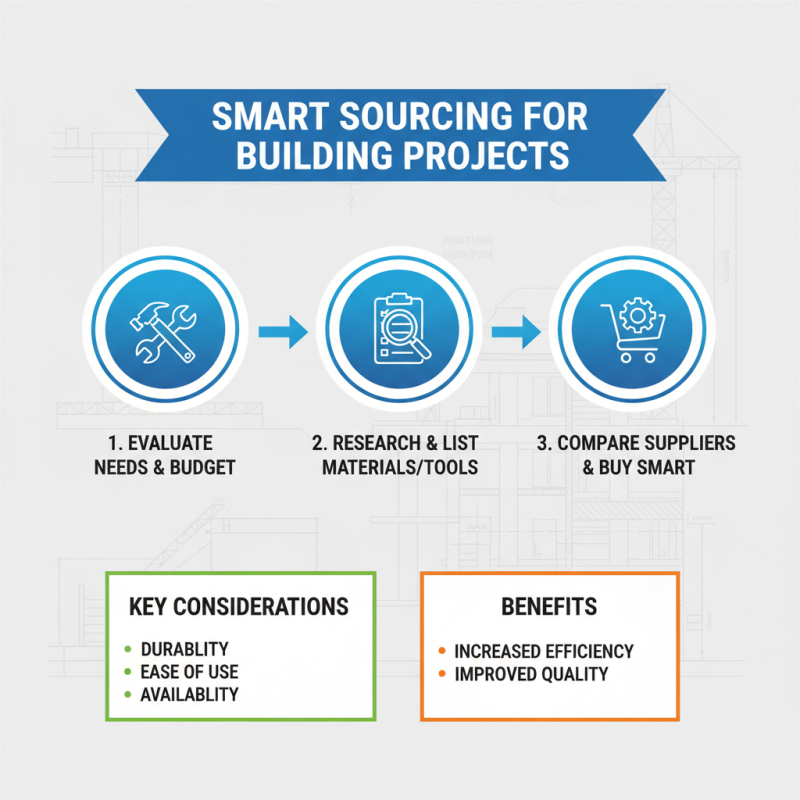
When embarking on a construction or renovation project, sourcing the right building materials and tools can significantly impact both efficiency and quality. Start by evaluating your project requirements and budget constraints. Identify the essential tools and materials necessary for your specific tasks, considering factors such as durability, ease of use, and availability. Creating a comprehensive list enables you to focus your procurement efforts and makes it easier to compare options across various suppliers.
Once you have a clear understanding of your needs, it’s essential to explore multiple sourcing strategies. Research local suppliers, online marketplaces, and wholesale distributors to find the best deals and quality offers. Engaging with suppliers and asking for samples can help assess the materials before committing to a larger order. Additionally, consider leveraging bulk purchasing for common items, as it can lead to significant cost savings. Keep an eye on seasonal discounts and industry promotions that might benefit your project budget. By employing thoughtful sourcing and procurement strategies, you can ensure that you select the right building materials and tools while staying within financial limits.