How to Choose the Right Film Capacitors for Your Projects?
Choosing the right Film Capacitors is crucial for any electronics project. These components play a vital role in energy storage and filtering applications. With a myriad of options available, it can be overwhelming to select the best ones. Understanding your project's specifications is essential.
Film capacitors offer advantages like stability and reliability. They are commonly used in audio equipment and power supplies. However, not all film capacitors are created equal. Factors such as capacitance value, voltage rating, and temperature range must be considered. Inadequate attention to these factors can lead to project failures.
Evaluating the reliability and lifespan of film capacitors is part of the selection process. It's important to acknowledge that some products may not perform as expected. Conducting thorough research is key. Delve into reviews, specifications, and industry standards. This ensures that you pick capacitors that truly meet your project's requirements.
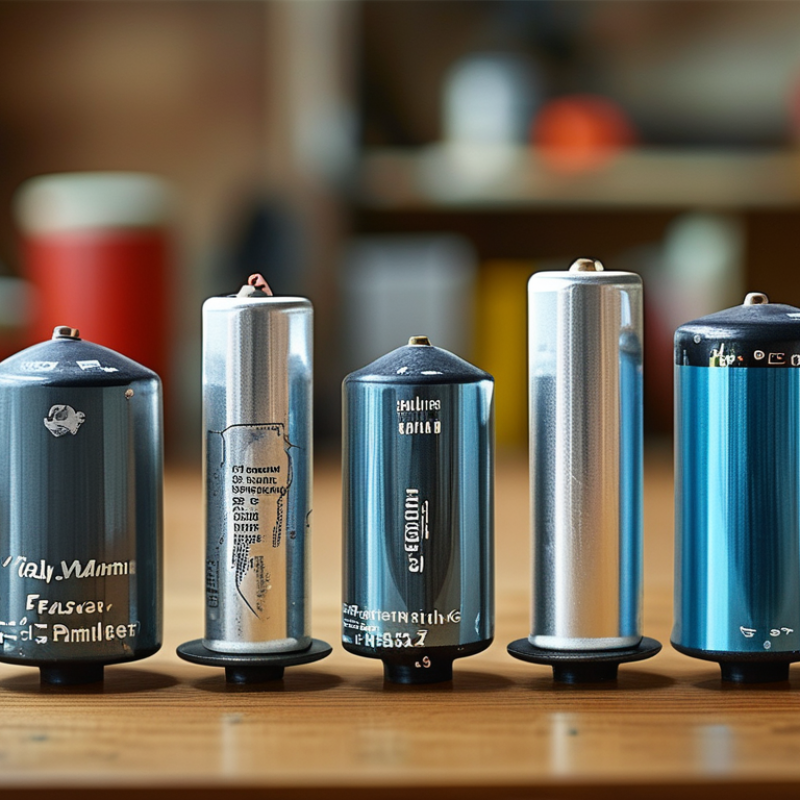
Understanding the Basics of Film Capacitors and Their Applications
Film capacitors are essential components in many electronic circuits. Understanding their basics helps you choose the right type for your project. These capacitors are valued for their stability and low loss characteristics. They are often found in audio applications, power supplies, and filter circuits.
When selecting film capacitors, consider the application first. Different uses may require varying capacitance values, voltage ratings, and temperature tolerances. Tips: Always check the capacitor's specifications against your circuit needs. Measure the fitting space accurately. It’s better to have a slight overestimate in capacitance if uncertain.
Film capacitors can also present drawbacks. Their physical size can be a challenge in compact designs. Additionally, not all film materials are suitable for every application. It's wise to evaluate the environmental conditions they will face. For instance, some materials may degrade faster under high temperatures.
Tips: Ensure the capacitor's dielectric material aligns with your project requirements. Experimenting with different types may yield better results. Adjusting while you consider efficiency can lead to improved circuit performance.
Identifying Key Specifications for Selecting Film Capacitors
Selecting the right film capacitors for your projects requires a good understanding of key specifications. Begin with capacitance value. This indicates the amount of charge a capacitor can store. It's crucial to choose a value that meets your circuit's requirements. Too low, and the circuit may not function properly. Too high, and you could face performance issues.
Next, consider the voltage rating. This tells you the maximum voltage the capacitor can withstand. Exceeding this rating may cause failure. A safety margin is usually necessary—20% above the expected operating voltage is a common approach. Pay attention to tolerance as well. This specification indicates how much the actual capacitance can deviate from the stated value.
Lastly, think about the dielectric material. Different types of dielectrics affect performance characteristics. Some materials ensure stability over varying temperatures and frequencies. Others may not perform well under extreme conditions. Each choice will impact efficiency and reliability in your design. Reflecting on these factors will help you make informed decisions for successful projects.
Comparing Different Types of Film Capacitors for Specific Use Cases
Choosing the right film capacitors can be tricky. They are essential in various applications, including audio equipment, power supplies, and automotive circuits. Different types of film capacitors offer unique characteristics and benefits. Knowing their uses helps you make informed choices.
Polyester capacitors are commonly used in general-purpose applications. They’re cost-effective and have a decent lifespan. However, their temperature coefficient can be a limitation in sensitive circuits. On the other hand, polypropylene capacitors deliver lower loss and superior performance in audio applications. They handle high-frequency signals well but can be bulkier and more expensive.
For high-voltage applications, consider using metalized film capacitors. They provide self-healing properties, which can be crucial in protecting circuits. However, they may exhibit higher equivalent series resistance (ESR). It’s vital to weigh the advantages against the downsides for your specific project needs. Each type has its strengths and weaknesses, which calls for thorough research and testing.
Evaluating Voltage Ratings and Temperature Coefficients in Capacitors
When selecting film capacitors for your project, voltage ratings and temperature coefficients are crucial factors. Voltage ratings indicate the maximum voltage the capacitor can handle. A rating too close to your circuit's voltage can lead to failure. Experts suggest a margin of at least 20% above the expected maximum voltage. This helps ensure reliability during operation.
Temperature coefficients also play a significant role in a capacitor's performance. These coefficients indicate how the capacitor's capacitance changes with temperature. Typically, the temperature coefficient can range from -10% to +10% over a certain temperature range. Choosing a capacitor within the correct temperature range for your application is vital. Capacitors with a tighter tolerance often perform better, maintaining stability across varied conditions.
Professional reports show that using the wrong specifications can lead to circuit inefficiencies. Many engineers overlook these aspects, resulting in costly redesigns. A capacitor's performance under stress and heat influences longevity. Understanding these details can make a significant difference in project success.
Practical Tips for Sourcing and Integrating Film Capacitors in Projects
When sourcing film capacitors for projects, understanding specifications is essential. The global film capacitor market is expected to grow significantly, projected to reach $4.5 billion by 2026, according to industry reports. This growth indicates the increasing reliance on these components in various applications, like audio equipment and renewable energy systems.
One effective tip is to check capacitance tolerance. High precision is often necessary in audio circuits. A tolerance of ±5% is common, but tighter tolerances are available. Different applications demand different specifications, so it's crucial to know your project's requirements.
Another important aspect is the voltage rating. Always choose a capacitor rated for at least 1.5 times the maximum voltage in your circuit. This ensures long-term reliability. For instance, if your system operates at 300 volts, select a capacitor rated for 450 volts or more.
While selecting capacitors, many overlook the impact of temperature and environmental conditions. Film capacitors typically have better thermal stability compared to other types. Still, assessing the expected operating temperature is vital. If the environment fluctuates, consider capacitors rated for those variations. This helps prevent performance degradation over time.