How to Choose the Right Push Pull Hydraulic Rams for Your Needs?
Choosing the right Push Pull Hydraulic Rams is crucial for any project. According to industry expert John Stevens, “Selecting the right hydraulic ram can make or break your operations.” With vast applications across construction, manufacturing, and automotive sectors, the importance of these tools cannot be overstated.
Push pull hydraulic rams offer versatility and strength. However, the market is flooded with options, making choices overwhelming. Each application demands different specifications, such as force capacity, stroke length, and mounting style. Uninformed decisions may lead to inefficiencies or even project delays. Understanding your specific needs is vital in navigating these complexities.
Inconsistent quality can be another concern. Not all hydraulic rams are created equal. This highlights the need for reliable manufacturers. Engaging with experts and gathering insights can significantly streamline your selection process. In a competitive landscape, the right push pull hydraulic ram can enhance productivity and ensure safety in operations.
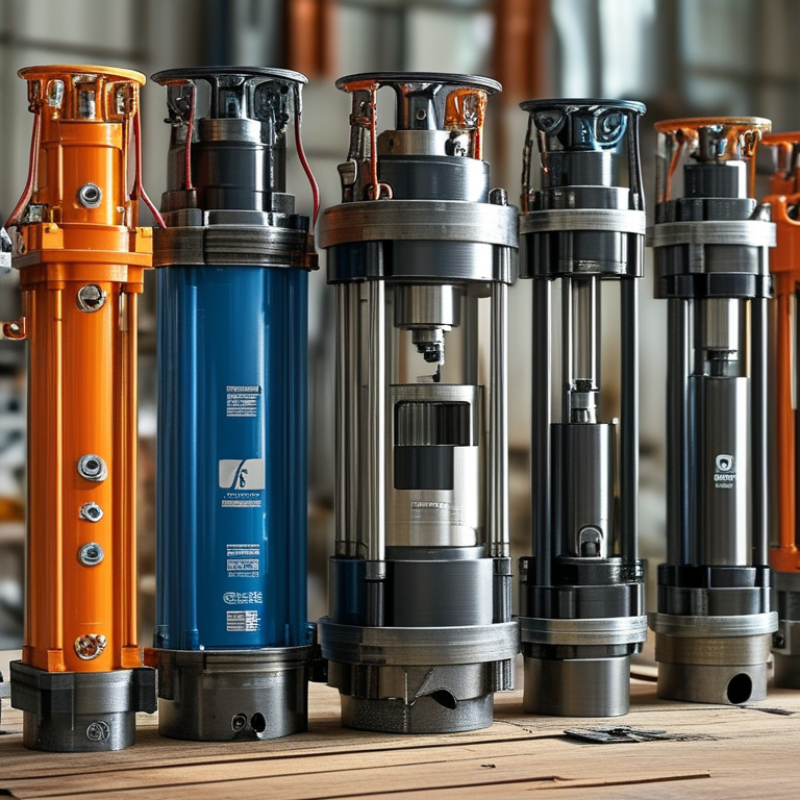
Understanding Push Pull Hydraulic Rams: Basics and Applications
Push pull hydraulic rams are essential tools in various industries. They provide powerful force for lifting, pushing, or pulling loads. Understanding their structure and operation helps users select the right models for their specific needs.
These rams consist of a cylinder and piston system. When hydraulic fluid fills the cylinder, it generates force necessary to move the piston. This design allows for efficient transfer of energy, making them effective for tasks like vehicle repair or heavy machinery operation. Users should consider factors such as load capacity and stroke length before making a choice.
However, there can be challenges. Not all rams are suitable for every application. Some may be too powerful for lighter tasks, while others might lack the strength needed for heavier loads. Users must reflect on their operational requirements. This ensures the hydraulic ram chosen performs effectively, minimizing potential risks and enhancing safety.
Identifying Your Specific Needs for Hydraulic Rams
Choosing the right push-pull hydraulic rams requires a deep understanding of your specific needs. Assessing load capacity is crucial. Reports show that hydraulic rams are rated for various loads, often ranging from 1 to 500 tons. This capacity will dictate the type of work they can handle effectively. For instance, a construction site may need rams with higher capacities for moving heavy materials, while automotive services may require lighter models.
Consider the stroke length as well. Ram stroke lengths vary significantly, with common ranges from 2 to 12 inches. The required stroke length depends on the application. For lifting or pressing tasks, ensure that the ram can achieve the necessary height or depth. A mismatch here can lead to operational inefficiencies and safety hazards.
Keep in mind the environment where the ram will be used. Environmental factors can affect hydraulic efficiency. For instance, extreme temperatures can impact fluid viscosity, influencing performance. Always think about these variables before making a purchase.
When selecting a hydraulic ram, prioritize features that match your specific application needs. A thorough evaluation can lead to better productivity and safety. Understanding your operational environment also leads to better decision-making. Perform a comparison of different models, highlighting pros and cons to clarify your choices. Focus on reliable products that meet industry standards for your best results.
Evaluating Load Capacity and Force Requirements
When selecting push-pull hydraulic rams, understanding load capacity and force requirements is critical. Calculating your load needs begins with assessing the weight of the materials being moved. For example, if you need to lift heavy machinery, you must locate the total weight and any dynamic forces involved during operation. This can include surges from inertia or sudden stops. Ignoring these factors can lead to choosing the wrong hydraulic ram, which might fail during critical operations.
Moreover, consider the maximum extension and retraction distances required. A ram designed for a short stroke may not perform well in applications needing extended reach. Matching the ram's specifications to your needs enhances efficiency and safety. Evaluating the force output is essential; a ram that cannot produce sufficient force will struggle, leading to potential breakdowns. Validating load ratings and work cycles ensures that the system remains reliable and effective in demanding situations.
Finally, think about the environment where the hydraulic ram will be used. Will it be exposed to extreme temperatures or corrosive materials? These conditions can impact the performance and longevity of the ram. Failing to account for environmental variables can result in higher maintenance costs or premature replacement. Consider all these factors carefully to ensure the best choice for your specific applications.
Evaluating Load Capacity and Force Requirements for Push Pull Hydraulic Rams
Assessing Size, Stroke Length, and Mounting Options
Choosing the right push pull hydraulic rams involves careful consideration of size, stroke length, and mounting options. The size of the ram significantly impacts its performance and how effectively it meets your needs. A larger ram can offer more force but may be too bulky for certain applications. Ensure that the ram size aligns with the available space and overall project requirements.
Stroke length is another critical factor. It determines how far the ram can extend and retract. A short stroke length may not be sufficient for tasks requiring extensive movement. Conversely, a longer stroke might complicate mounting and operation in tight spaces. Analyze the task's demands to select an appropriate stroke length.
When it comes to mounting options, consider both stability and accessibility. Different mounting styles, such as threaded or clevis ends, affect the ease of installation and adjustment. Match the mounting option to your application’s needs for improved efficiency.
Gauge your choices against real-world tasks. Sometimes the ideal ram selection turns out to be less than perfect upon actual use. Be open to making adjustments based on performance feedback. Consider consulting with professionals who have experience in hydraulic systems. Their insight can help navigate this complex decision-making process effectively.
Comparing Types and Features of Available Hydraulic Rams
When selecting hydraulic rams, it's vital to understand the various types. Push pull hydraulic rams come in different configurations, each suited for specific tasks. For instance, single-acting rams only apply force in one direction, making them ideal for lifting. They are simple but have limitations in control. Conversely, double-acting rams offer versatility, allowing movement in both directions. This feature can significantly enhance productivity in complex operations.
Another essential aspect is the ram's capacity and pressure rating. Understanding the load requirements for your projects is crucial. Some rams can handle heavy weights, while others are designed for lighter duties. It's important not to exceed the maximum limit, as doing so can lead to failure. Operators must often rethink their choices, ensuring they select the right capacity based on the actual use case.
Material quality also plays a significant role in performance. Rams made from high-grade steel or aluminum can withstand harsh conditions. However, it's easy to overlook lesser-known features like corrosion resistance and ease of maintenance. These factors contribute to the long-term reliability of the ram. Always consider the environment where the ram will be used. Some features may seem unnecessary until faced with challenging conditions.
How to Choose the Right Push Pull Hydraulic Rams for Your Needs? - Comparing Types and Features of Available Hydraulic Rams
| Type | Push Capacity (ton) | Pull Capacity (ton) | Stroke Length (inch) | Weight (lbs) | Material |
| Single Acting Ram | 10 | N/A | 6 | 15 | Steel |
| Double Acting Ram | 15 | 15 | 12 | 20 | Aluminum |
| Compact Ram | 5 | N/A | 4 | 10 | Plastic |
| Long Stroke Ram | 20 | 20 | 24 | 30 | Steel |