How to Choose the Best Drill Tools for Your Projects?
Choosing the right drill tools for your projects is essential. The right tools enhance efficiency and ensure quality results. However, with many options available, selecting can be overwhelming.
Consider your specific needs. Different projects require different drill tools. For instance, a basic wood project may need a standard drill, while metal or masonry projects require specialized bits. Understanding these requirements is crucial.
Quality matters. Investing in reliable drill tools can save time and money in the long run. It's important to research brands and read reviews. Many users share their experiences online, which can provide insights. However, remember that not every tool will work for every user. Each project is unique, and reflecting on your specific needs can lead to better choices.
Understanding Different Types of Drill Tools Available on the Market
Choosing the right drill tools is crucial for successful projects. It influences precision and efficiency. Various types of drill tools cater to different needs. Knowing these types can enhance your workflow.
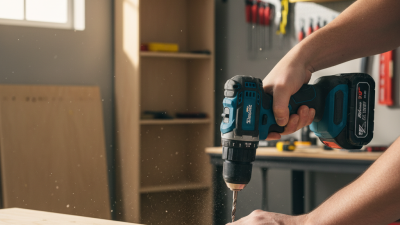
For starters, consider cordless drills. They offer mobility and are great for home use. They are easy to store and handle. However, their battery life can limit usage time. If you plan long sessions, that’s a point to ponder.
Another option is a hammer drill. This type excels in masonry work. It combines rotational motion with a hammering effect. This makes it effective for drilling into tough surfaces. Users should be aware that hammer drills can be more expensive. They also demand a learning curve for proper handling. Proper practice can help make the most of these powerful tools.
When choosing, evaluate your primary tasks and the materials you’ll work with. Each drill type suits different purposes. A mismatch can lead to inefficiency and frustration. Remember, investing in quality tools pays off in the long run.
Assessing Your Project Needs and Requirements for Drill Tools
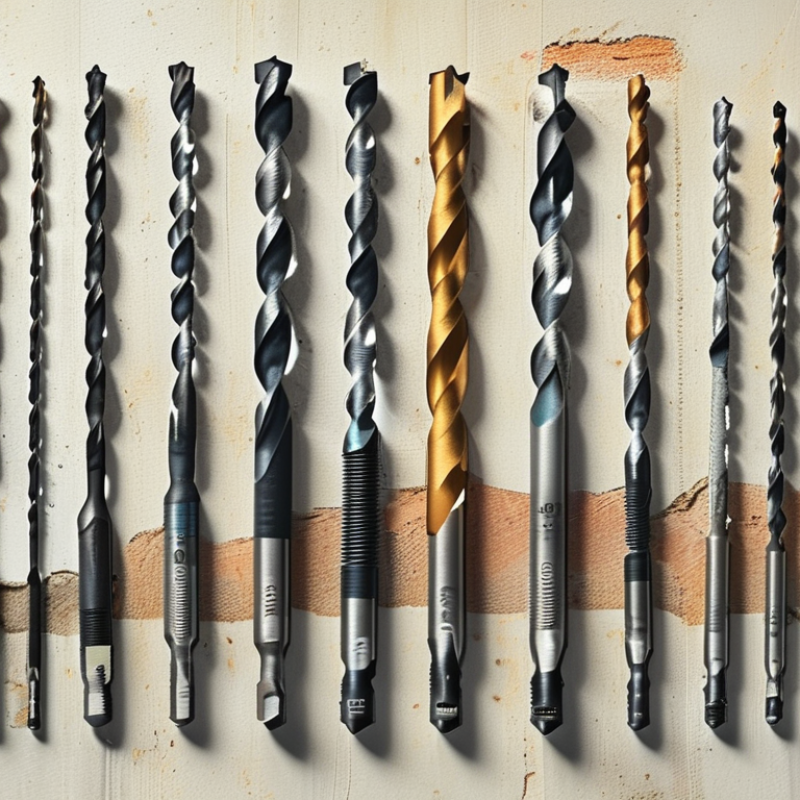
Assessing your project needs is crucial when selecting drill tools. Start by identifying the material you’ll be working with. Different materials require different drill bits. Wood, metal, and concrete all have specialized bits. For example, a twist drill bit works well for metal. A masonry bit is ideal for concrete. Understanding these nuances can save you time and frustration.
Consider the scale of your project. For small tasks, a lightweight, compact drill may suffice. However, larger projects might need a more powerful model. Think about the battery life and torque settings too. Tools with adjustable torque can provide more control, particularly in delicate situations. If you find yourself constantly switching bits, consider a multi-bit option. This can enhance efficiency but may require more upfront investment.
Experience plays a significant role in tool selection. Beginners may feel overwhelmed. It’s okay to start simple and upgrade later. Evaluate your skill level honestly. Gaining practical knowledge through small projects can build confidence. Reflecting on your past experiences will help in identifying which features matter most to you. This process can make choosing the right drill less daunting.
Evaluating Features and Specifications of Drill Tools
Choosing the right drill tools can significantly impact your project outcomes. Focus on key features like power, speed settings, and battery life. According to industry reports, a drill’s power is typically measured in volts. For cordless models, 18V is the standard for professional use, while DIY projects may only require 12V. This distinction is essential for efficiency and performance.
Speed settings are equally important. Most drills offer variable speed options. This allows versatility for different materials. For wood, faster speeds work well, but for metal, lower speeds are preferable. Reports indicate that a drill with two-speed settings can enhance project adaptability. Battery life should not be overlooked; high-performance lithium-ion batteries provide longer usage times and shorter charging periods.
Some consumers may overlook weight and ergonomics. A heavier drill may lead to fatigue during prolonged use. Studies show that drills weighing less than 3.5 pounds can improve user comfort without sacrificing power. Reflect on your specific needs before buying. Every feature has a trade-off, and it's crucial to align your choice with project demands. Balancing power and usability will lead to better results and increased satisfaction.
Comparison of Drill Features
Comparing Brand Reputations and Customer Reviews
Choosing the right drill tools for your projects involves understanding brand reputations and customer reviews. Many customers share their experiences online. These insights can guide your decision-making process. Look for reviews that discuss durability and performance. They often reveal true strengths and weaknesses.
Consider the overall satisfaction ratings too. A tool with a high number of positive reviews might be more reliable. Yet, some reviewers highlight specific concerns. Understand these issues to avoid disappointment later. For instance, a drill may perform well initially but could struggle after repeated use.
When reading reviews, focus on the common themes. If multiple users mention battery life, take it seriously. Quality insights can save you from a poor investment. Also, don’t ignore lower-rated reviews. They provide context and can uncover potential drawbacks. Regularly reading customer feedback can enhance your understanding of what makes tools truly effective.
Tips for Maintenance and Safety When Using Drill Tools
When using drill tools, safety should always come first. Ensure you wear appropriate personal protective equipment like goggles and gloves. These items can protect you from debris and potential injuries. Keep your workspace organized. A cluttered area can lead to accidents. Check the tool’s condition before starting. Look for loose parts or any visible damage that might cause malfunction.
Regular maintenance is essential for drill tools. Clean them after each use to prevent rust and buildup. Lubricate moving parts periodically to ensure they operate smoothly. Dull bits can lead to increased friction and potential accidents. Replace them as needed. Reflect on your technique, too. Misalignment can cause strain or damage to both the material and the tool.
Always be mindful of your surroundings while drilling. Ensure that the area is clear of people and obstacles. This way, you minimize risks. Familiarize yourself with the tool's operation. Incomplete understanding can lead to misuse and injuries. Maintaining vigilance during your projects helps in promoting a safer working environment.