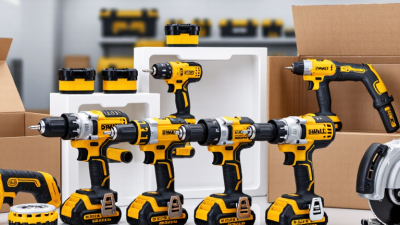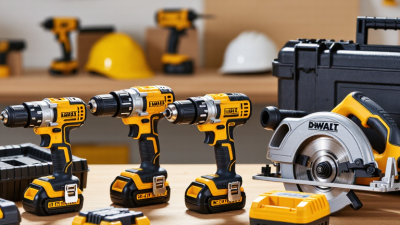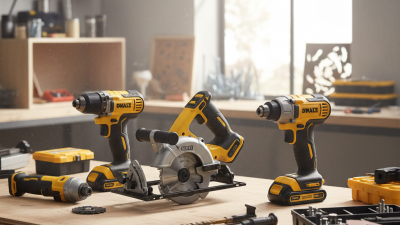
Choosing the best new DeWalt tools in 2026 takes more than picking the newest model. The right choice depends on the work, the battery platform you already own, and how often the tool will leave the workshop. A compact impact driver may suit cabinet installation, while a hammer drill is better for repeated masonry work. Feel matters, too. Hold the tool, check its balance, and notice whether the grip stays comfortable when you reach overhead.
Independent power-tool evaluator Jordan Lee puts the buying principle this way: “Choose the tool that fits your daily work, not the feature list you may never use.” Treat that as a guide, not a guarantee. Compare current specifications, compatible batteries, warranty terms, and verified user feedback before buying; product details can change between model years. For a clear comparison, this guide looks at practical performance, ergonomics, runtime, durability, and value across the new dewalt tools range. It also considers who benefits from each upgrade, from tradespeople replacing a worn-out driver to homeowners building a small cordless kit.
Specs can mislead. A higher voltage or larger battery does not automatically mean a better tool for every task. One honest limitation: no shortlist can account for every hand size, jobsite, or budget. Use the recommendations as a starting point, then check the tool against your own work. The best pick should feel dependable on an ordinary Tuesday—not just impressive in a product photo.
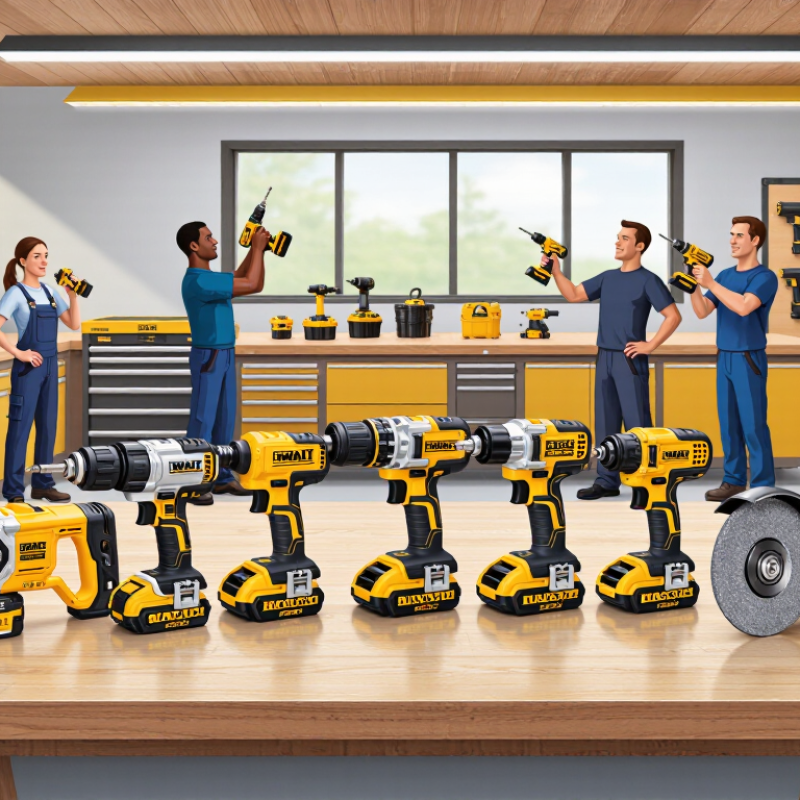
Before comparing models, define the jobs your new tool must handle. List the materials, fastener sizes, and typical work locations. Drilling pilot holes in softwood differs from driving long screws into dense framing. Repeated overhead cuts also call for different balance and weight than occasional bench work. Small details matter.
The U.S. Bureau of Labor Statistics’ 2023 Survey of Occupational Injuries and Illnesses recorded 2.6 million nonfatal cases in private industry, with a rate of 2.4 cases per 100 full-time workers. This figure covers many occupations, not just tool users, but it reinforces the value of matching equipment to the work. Consider grip comfort, vibration, visibility, and safe control under load. A tool that handles one demanding task well may feel tiring during hours of lighter work. I’d revisit the task list after a week; real workloads often differ from estimates.
Tips: Note how often each job occurs, then rank tasks by frequency and difficulty. For masonry, check impact performance; for finish work, prioritize control and clean starts. Compare battery platform and tool weight only after that. If the task is rare, a rental may be more practical than buying.
In 2026, choose tools by the work they must handle, not by the size of the catalog. Start with the task. Cordless drills suit pilot holes, furniture assembly, and everyday fastening. Impact drivers deliver stronger rotational force for long screws and repeated fastening. For accurate cuts in sheet goods, a circular saw is practical; a jigsaw handles curves and notches. Match the blade to the material, and secure the workpiece before cutting. Small details matter.
For concrete anchors, a rotary hammer is more suitable than a standard drill. Angle grinders help cut or clean metal, while oscillating tools reach tight corners for trimming and surface preparation. Outdoor categories include string trimmers and blowers, useful for edging and clearing dry leaves. Brushless motors, adjustable speed, and overload protection can improve control, but features do not replace safe technique. Compare battery compatibility, weight, and runtime against your usual workload. A heavier tool may feel powerful in a shop, then strain your wrist overhead. I would not choose on power alone; comfort is easy to overlook. Check the manual for the material, accessories, and protective equipment each job requires.
| Tool Category | Core Uses | Common Power Source | Key Features to Compare | Best Fit For | Practical Buying Tip |
|---|---|---|---|---|---|
| Drills and Drivers | Drilling holes in wood, metal, and some masonry; driving screws and fasteners. | Rechargeable battery or corded electricity | Chuck size, variable speed, clutch settings, torque, weight, and whether hammer action is included. | General construction, installation, furniture assembly, and home repairs. | Choose a hammer-drill function for occasional masonry work; use a dedicated rotary hammer for frequent heavy-duty concrete drilling. |
| Impact Drivers and Wrenches | Impact drivers handle long screws and other fastening tasks; impact wrenches loosen or tighten nuts and bolts. | Rechargeable battery or corded electricity | Drive interface, fastening capacity, speed settings, torque control, and tool weight. | Framing, decking, mechanical repairs, and repetitive fastening. | Match the drive type and fastening capacity to the job, and avoid overtightening delicate fasteners. |
| Saws | Making straight, curved, or plunge cuts in materials such as wood, metal, or plastic, depending on the saw and blade. | Rechargeable battery or corded electricity | Saw type, cutting depth, bevel range, blade compatibility, visibility, and dust collection. | Remodeling, trim work, sheet-material cutting, and workshop projects. | Select the saw and blade for the material and cut shape; check the specified cutting depth before purchase. |
| Grinders and Cut-Off Tools | Grinding, deburring, surface preparation, and cutting with a compatible wheel or accessory. | Rechargeable battery or corded electricity | Disc diameter, speed, guard design, spindle compatibility, braking, and vibration control. | Metal fabrication, repair work, and masonry tasks when the tool and accessory are rated for the material. | Verify accessory speed ratings and use the correct guard; wear suitable eye, face, hearing, and respiratory protection. |
| Sanders | Smoothing surfaces and preparing wood, paint, or other compatible materials for finishing. | Rechargeable battery or corded electricity | Sander type, pad size, speed adjustment, dust collection, vibration, and abrasive availability. | Cabinetry, furniture restoration, finishing, and surface preparation. | Choose a random-orbit sander for versatile surface finishing or a detail sander for corners and confined areas. |
| Oscillating Multi-Tools | Flush cutting, scraping, sanding, and plunge cutting with task-specific attachments. | Rechargeable battery or corded electricity | Oscillation speed, accessory-change system, vibration control, included attachments, and dust extraction options. | Trim installation, renovation, repairs, and work in tight spaces. | Check accessory compatibility and choose a model with comfortable vibration control if it will be used for extended periods. |
| Rotary Hammers | Drilling into concrete and masonry; some models also support chiseling. | Rechargeable battery or corded electricity | Chuck system, impact energy, drilling capacity, operating modes, and vibration reduction. | Anchoring, renovation, and repeated drilling in concrete or masonry. | Base the choice on the required hole diameter and material; use masonry-rated bits and follow the tool's capacity limits. |
| Outdoor Power Tools | Tasks such as trimming, blowing leaves, cutting branches, or mowing, depending on the tool type. | Rechargeable battery, corded electricity, or fuel | Runtime or operating time, cutting capacity, noise, weight, maintenance needs, and replacement accessories. | Yard care, landscaping, and property maintenance. | Estimate the size of the work area and expected workload before choosing a power source and runtime capacity. |
| Jobsite Lighting and Vacuums | Illuminating work areas and collecting dust or debris with equipment suited to the cleanup task. | Rechargeable battery, corded electricity, or a combination | Light output and runtime, or vacuum capacity, filtration, hose size, portability, and cleanup requirements. | Workshops, renovations, garages, and active jobsites. | For hazardous dust, confirm that the complete collection setup and filter are appropriate for the material and applicable safety requirements. |
Choosing a new cordless tool starts with the work, not the biggest number on the box. For repeated drilling into hardwood, compare torque, speed control, and heat management. For cutting, check stroke rate, blade changes, and balance. A heavier tool may feel powerful in a showroom but tiring on a ladder. Try the grip with gloves on. Small detail. It matters.
Battery compatibility can save money, but shared voltage does not always mean shared fit. Check the exact battery platform, charger requirements, and whether older packs support the tool’s peak current. BloombergNEF’s 2024 Lithium-Ion Battery Price Survey reported an average pack price of $115 per kilowatt-hour, down 20 percent year over year. That market-wide figure is not a cordless-tool battery price; it does show why pack value deserves attention. Compare the cost of a bare tool with a kit, then count the batteries and chargers you already own.
Features should solve a real task. A compact light, adjustable clutch, or quick blade release can reduce fiddling between cuts. Read independent test measurements where available, and compare results under similar materials and loads. One honest uncertainty: published tests may not match your worksite. If possible, handle the tool before buying, and check warranty terms and replacement-pack availability. A high specification can still be the wrong fit.
A tool may look compact on a shelf but feel tiring after twenty minutes overhead. If possible, hold it with the gloves you normally wear. Check whether the grip stays secure, the trigger is easy to control, and the weight feels balanced. Small details matter. A slippery handle or awkward battery position can make careful work harder.
Durability depends on more than a tough-looking housing. Look for well-fitted joints, protected vents, and controls that do not wobble. Consider where you will use and store the tool: fine dust, damp floors, and frequent transport all affect wear. Read the manual for cleaning and maintenance needs. A sturdy build is useful, but it cannot compensate for neglect. I would also question any claim that a tool is “jobsite ready” without clear care instructions.
Tips: Before buying, test the grip and reach of the safety controls. Check that guards or other protective features do not block your view. Wear eye and hearing protection when the task requires it, and follow the manual’s operating limits. If a control feels confusing in the store, pause and learn its function before using the tool.
When choosing new cordless tools in 2026, compare the full ownership cost, not just the shelf price. A lower-priced kit may include a small battery that struggles through repeated cutting or drilling. Check the battery capacity, charger, and replacement-battery price. Small details matter.
Warranty terms can shift the value calculation. Read what is covered, how long coverage lasts, and whether batteries have different terms. The U.S. EPA’s 2018 electronics-waste assessment estimated 2.7 million tons of discarded electronics, with 38.5% recycled. It does not isolate power tools, but it highlights why repair options and responsible battery disposal deserve attention. A repairable tool may stay useful longer than a cheaper model with limited service support.
Work out a simple cost per year: divide the tool-and-battery price by the years you realistically expect to use it. Then check whether replacement batteries remain available across the product family. The awkward part? Future battery availability is never guaranteed. I would not pay extra for features that rarely leave the toolbox. But for daily work, a longer warranty, sturdy housing, and widely available batteries can justify a higher upfront price. Compare the actual terms before buying.
Suggested weighting for comparing price, warranty, and long-term value.
How to use this: Score each tool against these criteria, then apply the percentages as weights. The percentages are a suggested decision framework, not market data or product ratings. Check the current warranty terms, battery compatibility, and included accessories before buying.