10 Essential Tips for Choosing the Right Drill Tools for Your Projects
When embarking on any DIY project or professional construction task, selecting the right drill tools is crucial for achieving optimal results. With a myriad of options available on the market, it can be overwhelming to determine which tools will best suit your specific needs. The importance of choosing the appropriate drill tools cannot be overstated, as it not only impacts the efficiency and quality of your work but also ensures safety during the drilling process.
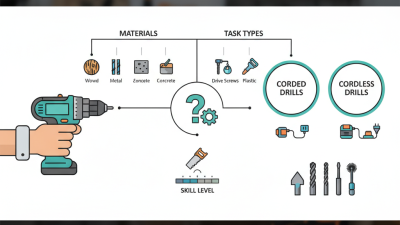
Understanding the various types of drill tools, their functionalities, and the materials they are best suited for can significantly enhance your productivity. Whether you’re working on a simple home repair or a complex construction project, arming yourself with the right knowledge will facilitate smarter choices. In this guide, we will explore ten essential tips that will help you navigate the selection process, ensuring you invest in drill tools that are perfectly aligned with your project requirements. With the right tools in hand, you can take on any challenge with confidence and skill.
Understanding Different Types of Drill Tools and Their Applications
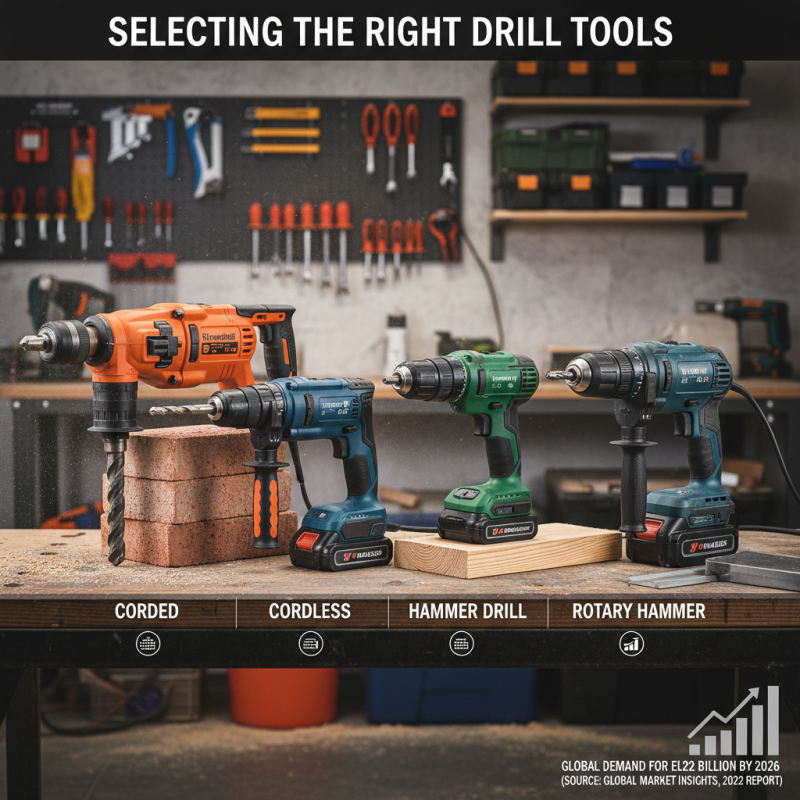
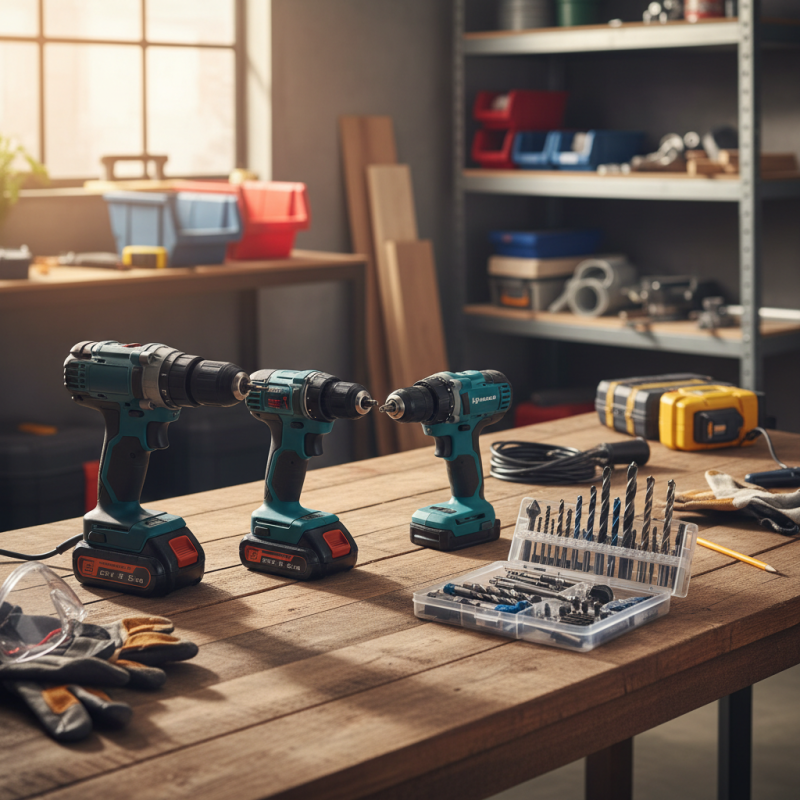
When selecting the right drill tools for your projects, it’s essential to understand the various types available and their specific applications. According to a report from the Global Market Insights published in 2022, the demand for electric drills is expected to reach 22 billion USD by 2026, highlighting the necessity for users to choose the appropriate tools for efficiency and safety. The common types of drills include corded, cordless, hammer drills, and rotary hammers, each designed to tackle different materials and project requirements. For instance, hammer drills are ideal for masonry work, providing the force needed to penetrate tougher surfaces, while rotary hammers are better suited for heavy-duty tasks, capable of drilling larger holes in concrete.
Moreover, choosing the right drill bit is just as critical as selecting the drill itself. Industry studies indicate that using the correct bit for the material not only improves drilling efficiency but also prolongs the life of both the drill and the bit. High-speed steel (HSS) bits are suitable for soft metals and wood, while carbide-tipped bits are recommended for harder materials such as tile and concrete. Understanding these distinctions is vital for achieving optimal results in any DIY or professional project. By assessing the nature of the task and the materials involved, users can make informed decisions about which drill tools will best meet their needs, ultimately enhancing productivity and ensuring project success.
Evaluating Drill Power Types: Corded vs. Cordless Options
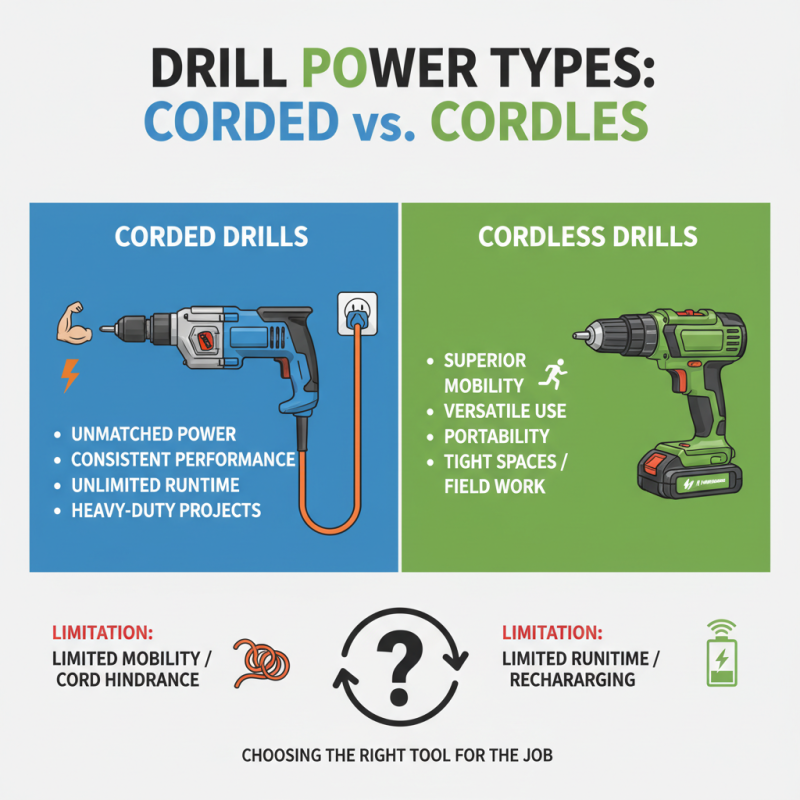
When evaluating drill power types, one of the primary considerations is whether to choose corded or cordless options. Corded drills are typically favored for their unmatched power and consistent performance, especially in demanding tasks that require prolonged use. With a direct connection to an electrical outlet, these drills provide an unlimited runtime, making them ideal for heavy-duty projects such as drilling through thick materials or extensive renovations. However, the drawback lies in their limited mobility, as users must navigate a cord, which can hinder flexibility and accessibility in confined spaces.
On the other hand, cordless drills have gained immense popularity due to their convenience and portability. These battery-operated tools offer the freedom to move around without being tethered to a power source, which is particularly beneficial for projects in various locations. With advancements in battery technology, many modern cordless drills now provide sufficient power to tackle a wide range of tasks, making them suitable for both light and moderate applications. Nonetheless, users should be aware of battery life and charging times, as these factors can influence workflow during extensive projects. Balancing the need for power and flexibility is crucial in selecting the right drill for any project.
Assessing the Importance of Drill Bit Material for Specific Tasks
When embarking on any drilling project, understanding the significance of drill bit material is paramount. Different tasks require specific materials to ensure efficiency and durability. For example, high-speed steel (HSS) bits are versatile and suitable for a variety of materials, making them an excellent choice for general-purpose drilling. However, for tougher jobs that involve metal or hardwoods, cobalt or carbide-tipped bits might be more effective due to their enhanced hardness and heat resistance.
Tip: Always assess the material you will be working with before selecting your drill bit. A bit that excels in one material might perform poorly in another. For instance, using a standard bit on masonry can lead to quick wear and subpar results. Additionally, consider the coating of the drill bits; bits with titanium or black oxide coatings can reduce friction and improve longevity, making them suitable for prolonged use in various projects.
Understanding the variety of materials available is key to making an informed decision. If your project involves precise tasks such as drilling through glass or tiles, specialized bits like diamond or carbide are essential for success. These specific materials are crafted to handle the unique challenges presented by harder surfaces, ensuring clean and accurate holes. Always remember that using the right drill bit material not only enhances the quality of your work but also extends the life of your tools.
Drill Bit Material Comparison for Different Tasks
Identifying Key Features to Look for in a Quality Drill Tool
When selecting the right drill tools for your projects, it's essential to identify key features that contribute to both performance and usability. Power is one of the foremost characteristics to consider. A drill’s voltage and amperage can greatly affect its efficiency and capability, especially when handling tougher materials. For projects that require heavy-duty work, a higher voltage drill is recommended for optimal performance.
Another crucial feature to look for is the drill's chuck type. A keyless chuck allows for quick and easy bit changes, making it more convenient for projects that require frequent adjustments. Additionally, the size of the chuck should match the drilling bits you plan to use, ensuring compatibility and versatility for various tasks.
Lastly, consider the weight and ergonomics of the drill tool. A lighter drill can reduce fatigue during extended use, while an ergonomic design provides better grip and control. Look for features like cushioning and adjustable handles, which enhance comfort and precision, leading to better results in your projects. By paying attention to these fundamental attributes, you can make an informed decision and choose a drill tool that fits your needs perfectly.
10 Essential Tips for Choosing the Right Drill Tools for Your Projects - Identifying Key Features to Look for in a Quality Drill Tool
| Feature |
Importance |
Examples |
| Power Rating |
Higher power allows for tougher materials |
12V, 18V, 20V |
| Chuck Size |
Determines the size of drill bits compatible |
1/4", 3/8", 1/2" |
| Weight |
Impact handling and ease of use |
Lightweight vs. Heavy Duty |
| Speed Settings |
Versatility for different tasks |
Single speed, Variable speed |
| Battery Type |
Impact longevity and charging time |
Lithium-ion, NiCd |
| Ergonomics |
Comfort during prolonged use |
Rubber grips, Balanced weight |
| Drill Modes |
Flexibility for different materials |
Drill, Hammer, Driver modes |
| Torque Settings |
Precise control for various applications |
Adjustable clutch settings |
| Durability |
Long-term investment and reliability |
Metal gears, Shockproof casing |
| Accessories |
Enhanced versatility and use cases |
Batteries, chargers, bits |
Estimating Your Budget: Cost Considerations When Choosing Drill Tools
When it comes to selecting the right drill tools for your projects, budget considerations play a significant role. It's essential to start by estimating your overall budget, including the cost of tools, accessories, and any necessary maintenance. Understanding your financial limits can help you narrow down your choices and identify tools that provide the best value for your money without compromising quality.
One crucial tip is to prioritize versatility. Choosing drill tools that can perform multiple functions will save you money in the long run. Rather than purchasing various specialized tools for different tasks, look for models that can handle a range of applications. This not only reduces initial spending but also minimizes future expenses related to purchasing additional equipment.
Another tip is to consider the long-term investment of higher-quality tools. While they may come with a steeper price tag upfront, durable and reliable drill tools can ultimately save you money by reducing the frequency of replacements and repairs. Always assess reviews and ratings to ensure you are making a worthwhile investment based on performance and longevity, which will serve you well in your future projects.