10 Essential Tips for Choosing the Right Safety Equipment Tools
Choosing the right safety equipment tools is critical for ensuring workplace safety. According to a report by the Occupational Safety and Health Administration (OSHA), businesses spend over $1 billion annually on workplace injuries. Selecting the proper tools can reduce risks significantly. As safety expert John Miller states, "The right equipment not only protects workers but instills a culture of safety."
Many organizations struggle to find suitable safety equipment. A simple error in selection can lead to accidents and costly consequences. It’s essential to evaluate needs based on specific tasks and workplace conditions. Not all safety equipment tools are created equal; features vary greatly among brands and models.
Understanding the nuances of safety gear can save lives and money. For instance, high-visibility vests may seem standard but differ in reflectivity and durability. The search for the right tools often uncovers flaws in current practices, prompting reflection on safety protocols. Adapting to new advancements and recommendations can lead to better outcomes in the workplace.
Understanding the Importance of Safety Equipment in the Workplace
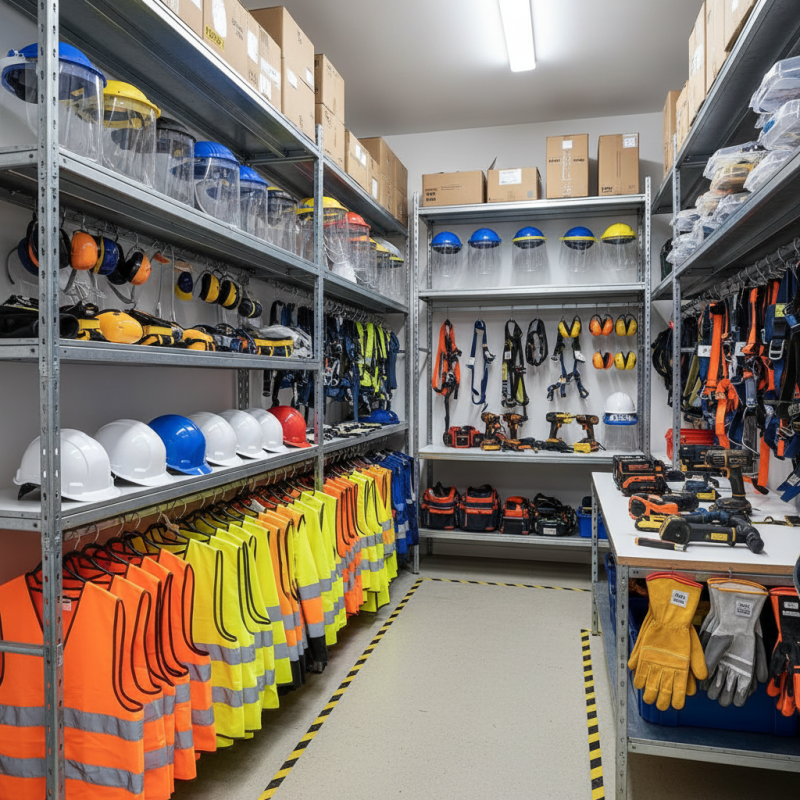
In a workplace, safety equipment is crucial for preventing accidents. Proper gear protects workers from hazards. Think of hard hats, gloves, and safety glasses. Each item has a purpose. A hard hat can shield against falling objects. Gloves guard hands from cuts and chemicals. Safety glasses protect the eyes.
The importance of choosing the right tools cannot be overstated. Poor choices can lead to injuries. Sometimes, workers believe they can skip equipment. This mindset can have severe consequences. Training on the correct use of tools is vital. Employers should stress this training often. It’s common to overlook this step, but it’s essential.
Reflect on personal experiences. Have you ever used outdated equipment? It might have felt safe, but was it really? Regular assessments of safety gear help keep everyone safe. New regulations may apply. Equipment should meet industry standards. Ignoring this can lead to risks. Choose wisely, and prioritize safety for a better workplace.
Identifying the Specific Hazards in Your Work Environment
When assessing safety equipment, start by examining the hazards in your work environment. Each job site is unique. Consider elements like noise, chemicals, and machinery. For instance, construction sites often present risks from moving vehicles. Workers might need high-visibility vests to stay seen.
Moreover, think about the physical dangers present. If you're dealing with heavy objects, proper lifting equipment is essential. It can prevent serious injuries. Sometimes, employees overlook the importance of personal protective gear like helmets and gloves. These items are not just accessories; they are lifesavers.
It’s also crucial to evaluate the comfort and usability of your safety tools. Uncomfortable gear may lead to neglect. A worker may choose to remove heavy gloves, risking injury. Reflect on the balance between protection and practical use in your daily tasks. Remember, safety is a continuous process that requires vigilance and adaptability to ensure everyone remains protected.
10 Essential Tips for Choosing the Right Safety Equipment Tools
| Tip No. |
Safety Equipment |
Key Hazards |
Ideal Usage |
| 1 |
Safety Glasses |
Flying Debris |
Construction Sites |
| 2 |
Hard Hats |
Falling Objects |
Construction Sites |
| 3 |
Ear Protection |
Excessive Noise |
Manufacturing Areas |
| 4 |
Respirators |
Toxic Fumes |
Chemical Plants |
| 5 |
Gloves |
Cuts and Abrasions |
Heavy Lifting |
| 6 |
Steel-Toed Boots |
Heavy Objects |
Warehouses |
| 7 |
High-Visibility Vests |
Traffic Hazards |
Roadwork Zones |
| 8 |
Fall Protection Harness |
Falls from Heights |
Scaffolding Work |
| 9 |
Fire Extinguishers |
Fires |
Industrial Kitchens |
| 10 |
First Aid Kit |
Injuries |
All Work Environments |
Evaluating Different Types of Safety Equipment and Their Functions
Choosing the right safety equipment requires a careful evaluation of various types of tools. Hard hats protect your head from falling objects. Eye protection shields your vision from harmful debris and chemicals. Respirators filter out harmful particles in the air, ensuring you breathe safely. Each type of equipment serves a different purpose.
Consider the specific hazards in your environment. For example, working at heights needs harnesses and lanyards. Enclosed spaces may require specialized air quality monitors. Pay attention to how each tool fits and feels. An uncomfortable piece of equipment can be neglected when it’s needed most. Many times, people overlook the importance of proper fit.
It's essential to regularly review your safety gear. Equipment should be replaced if damaged or worn out. Testing your equipment periodically ensures it's functioning well. Awareness of new technologies can help improve safety. Ignoring advancements might lead to using outdated tools. Thoughtful evaluation can save lives.
Choosing Quality Brands and Reliable Suppliers for Safety Tools
When selecting safety equipment, the choice of brand and supplier shapes your experience. Quality brands often have a proven track record. They invest in research and development. Look for testimonials and reviews. These can help you understand the reliability of their products. Don't overlook customer support; it can make a significant difference when issues arise.
Reliability in suppliers is crucial. A dependable supplier ensures timely deliveries. Examine their return policies and warranty offerings. Some suppliers may offer limited options, which can lead to frustration later. Transparency in communication is key. Ask questions and gauge their responsiveness. If they are slow to reply, consider that a red flag.
Visiting trade shows or local markets can provide firsthand impressions. Engage with vendors and ask about their products. You might find gaps in their knowledge, which could signal a lack of experience. Compare a few suppliers to ascertain their credibility. In the end, the tools you choose should not only protect but also provide peace of mind.
10 Essential Tips for Choosing the Right Safety Equipment Tools
This chart illustrates the importance of various factors when choosing safety equipment tools, highlighting quality, reliability, and supplier reputation.