Why Are Drill Tools Essential for Home Improvement Projects?
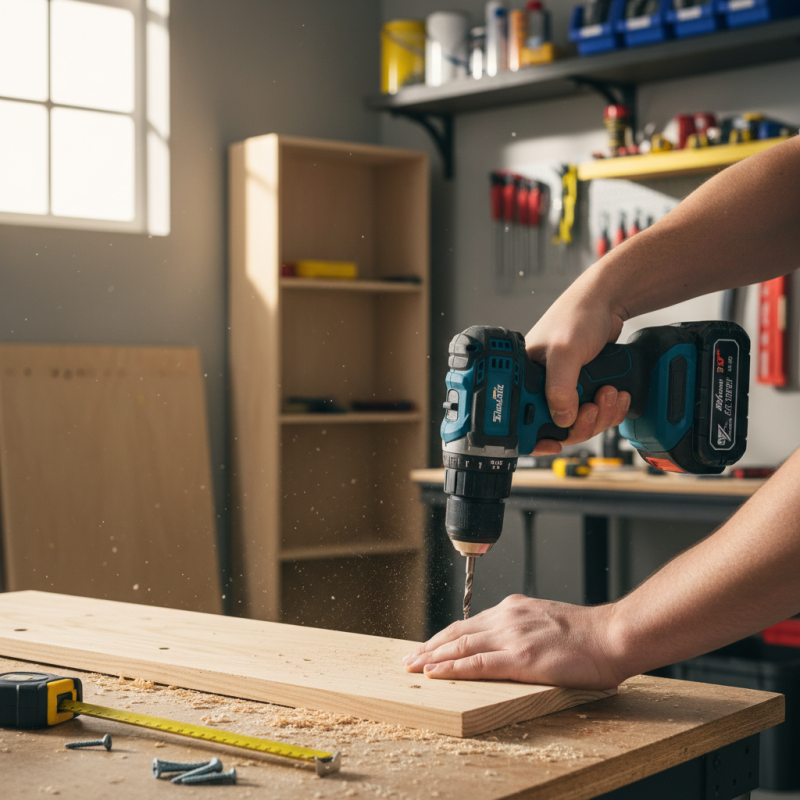
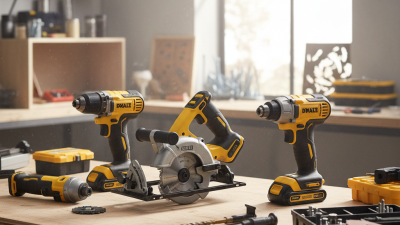
Drill tools are vital for any home improvement project. They empower homeowners to tackle repairs and renovations with ease. Whether it's hanging shelves or assembling furniture, drill tools make tasks manageable.
Using a drill can save time and effort. Many people underestimate the value of having the right tools. A simple project can turn overwhelming without them. Imagine trying to build a bookshelf with just a screwdriver. It’s frustrating and inefficient.
Moreover, drill tools enhance precision. They allow for accurate placements and secure fittings. However, some may struggle with proper usage. Practice is essential to master these tools. Homeowners should be aware of safety, too. A little caution goes a long way in avoiding accidents. Invest in quality drill tools, and the results will speak for themselves.
Understanding the Role of Drill Tools in Home Improvement Projects
Drill tools hold a significant place in home improvement projects. They provide versatility and efficiency, making tasks easier and faster. According to a recent report, nearly 70% of homeowners believe that having a drill enhances their ability to complete DIY projects. This tool isn’t just for professionals; it’s essential for anyone looking to enhance their living space.
In home improvement, drills are used for various tasks, such as hanging shelves, installing fixtures, and assembling furniture. The U.S. Home Improvement Market Report indicated that more than 40% of DIY enthusiasts consider drills vital for their projects. Their ability to create precise holes and drive screws quickly is unmatched. When planning your project, consider that the right drill can significantly reduce the time spent on tasks. However, some users may overlook safety precautions, resulting in minor accidents or mishaps.
The range of drill types adds to their significance. Cordless drills offer mobility, while hammer drills provide extra power for tougher materials. A study revealed that 55% of homeowners didn’t realize the importance of selecting the right drill for specific tasks. This oversight can lead to frustration and wasted materials. Understanding the unique features of each drill type is crucial for achieving the best results in home improvement projects.
Types of Drill Tools Commonly Used for Home Improvement Tasks
When it comes to home improvement projects, drill tools play a pivotal role. They make tasks easier and more efficient. Among the most common drill types are corded and cordless drills. A report from the Home Improvement Research Institute shows that 85% of DIY enthusiasts prefer cordless drills for their convenience.
Corded drills provide consistent power and are ideal for heavy-duty tasks. Yet, they limit mobility. On the other hand, cordless drills offer flexibility but may struggle with longer projects. An interesting statistic indicates that 60% of users frequently switch between drill types to match project needs.
Another essential tool is the hammer drill. It serves dual purposes: drilling holes and breaking up materials. It’s useful for masonry projects. Professionals note that the right drill bit can drastically affect performance. A mismatch may lead to subpar results and frustration. Recognizing these limitations is crucial for effective home improvement.
Common Types of Drill Tools Used for Home Improvement Projects
How to Choose the Right Drill Tool for Specific Home Projects
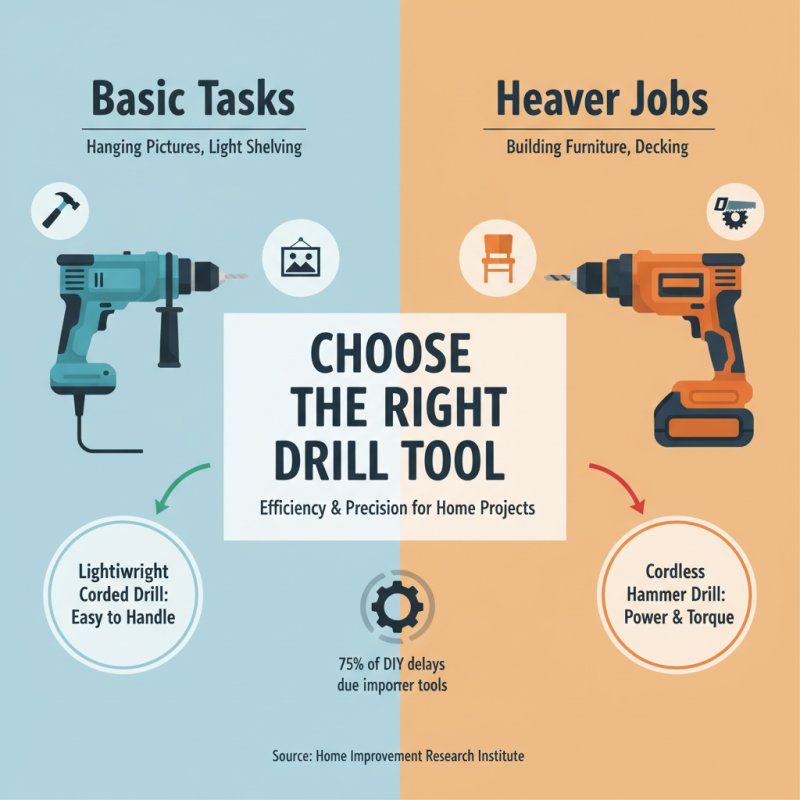
Choosing the right drill tool can significantly impact your home improvement projects. According to a report from the Home Improvement Research Institute, 75% of DIY enthusiasts find that improper tools lead to project delays. Selecting the right drill is crucial for efficiency and precision. For basic tasks like hanging pictures, a lightweight corded drill may suffice. However, heavier jobs, such as building furniture, require more power.
Consider battery life as well. Many cordless drills now offer Lithium-ion batteries, which last longer and charge faster. A survey by the National Home Builders Association indicates that nearly 60% of homeowners prefer cordless drills for their convenience. For specific tasks, different drill bits are also necessary. A masonry bit is essential for brick walls, while wood bits work well for wooden surfaces.
Don’t overlook ergonomics. A comfortable grip can make a long day of drilling much easier. Misfit tool sizes can lead to fatigue and errors. Users often underestimate the importance of a good fit. Remember that budgeting plays a role too. Investing in a quality drill can save money in the long run by avoiding constant replacements.
Essential Drill Techniques for Effective Home Improvement Work
Drill techniques can significantly impact your home improvement projects. Using the right method leads to cleaner holes and better finishes. Start by selecting the appropriate drill bit. Different materials require varying types of bits. A wood bit works well for timber, while masonry bits are perfect for brick. Research needed materials before you begin.
Maintaining a steady hand is crucial. Pressing too hard can cause splintering or cracking. Try to keep your drill straight. This may take practice, especially on uneven surfaces. If your drill slips, it might mar the finish. It’s okay to take breaks and reassess your position.
Don’t forget to measure before drilling. Improperly placed holes can ruin your project. A small mistake can lead to wasting materials. In the end, focus on precision. Practice makes perfect, and there will always be room for improvement. Each project teaches new lessons.
Safety Tips for Using Drill Tools during Home Improvement Activities
Using drill tools can elevate your home improvement projects.
However, safety should be your top priority. According to a recent survey by the Home Improvement
Research Institute, approximately 30% of DIY enthusiasts reported injuries
while using power tools. These injuries often stem from improper usage or lack of safety precautions.
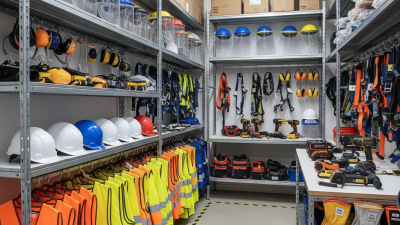
When using a drill, always wear protective eyewear. Flying debris can cause serious eye injuries.
Ear protection is vital as well. Drills can produce noise levels over
90 decibels, potentially leading to hearing loss after prolonged exposure.
Always read the manual before operation. Familiarizing yourself with your tool’s features can prevent accidents
and improve efficiency.
Another key point is to maintain a clean workspace. Clutter can
lead to trips and spills. Secure your workspace by ensuring all cords are tucked away. If you feel tired or
distracted, take a break. Fatigue can compromise your focus and lead to mistakes. Remember,
safe practices lead to successful projects.