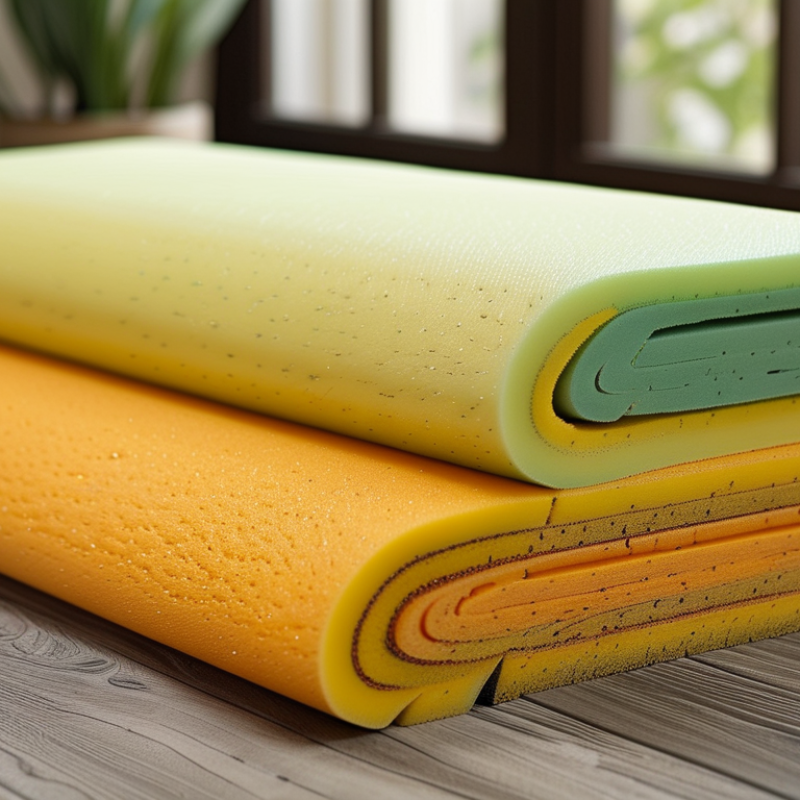
Best Foam Floor Mat Tips for Buying and Using?
Choosing the right Foam Floor Mat can significantly enhance your comfort and safety. With various options available, the decision can be overwhelming. These mats come in different materials, thicknesses, and designs, making it crucial to understand what works best for you.
Experience is key when selecting a Foam Floor Mat. Consider where you’ll use it. Will it be for exercise, play areas, or workshops? Your answer will influence your choice. Strong mats provide better support, while softer options offer cushioning.
Also, look for quality and durability. Some mats wear out quickly, while others last for years. Remember, investing in a reliable product is worthwhile. A good Foam Floor Mat should feel great underfoot and withstand heavy usage. Don’t skip this step; think carefully about your needs before making a purchase.
Understanding Different Foam Types: EVA, PE, and PU Mats
When it comes to foam floor mats, understanding the different materials is essential. EVA (Ethylene Vinyl Acetate) mats are popular for their durability. They offer excellent cushioning and can handle heavy foot traffic. However, they might smell initially. PE (Polyethylene) mats are lightweight and more affordable. They provide decent shock absorption but may not be as resilient over time. Finally, PU (Polyurethane) mats boast superior comfort and flexibility, making them ideal for exercise areas. Yet, their higher cost could be a drawback for some.
When purchasing foam mats, consider your intended use. Look for mats that fit your specific needs, whether for exercise, play, or other activities. Check the thickness and density to ensure adequate support. A thicker mat can enhance comfort, especially on hard floors. Keep in mind that some foam types can wear down more quickly than others.
Tips for using foam mats effectively include regular cleaning to maintain their condition. Use mild detergents to avoid damaging the material. It's important to rotate the mats periodically if they receive uneven wear. Lastly, be mindful of temperature changes, as some materials can expand or contract.
Best Foam Floor Mat Tips for Buying and Using
| Foam Type | Durability | Comfort Level | Cost | Best Use Case |
| EVA Foam | High | Excellent | Moderate | Exercise Areas, Playrooms |
| PE Foam | Moderate | Good | Low | Temporary Setups, Garage Flooring |
| PU Foam | Moderate to High | Very Comfortable | High | Home Theaters, Yoga Studios |
Evaluating Thickness and Density for Optimal Cushioning and Durability
When considering foam floor mats, thickness and density play crucial roles in your selection. Thicker mats often provide better cushioning. A thickness of at least ¾ inch is ideal for high-impact activities. For areas with less foot traffic, thinner mats can suffice. However, be cautious; excessively thick mats can become unstable and difficult to navigate.
Density is equally important for durability. High-density foam tends to resist wear and tear better than low-density options. This is especially relevant if the mats will endure heavy use. Opt for higher density if you plan to use the mats in gym or play areas. A good test is to press down on the mat. It should return to its original shape without sinking too deep.
Incorporating these factors into your purchase decision can enhance your experience. Be mindful of personal needs as well. For example, a softer mat might feel good but can wear out quickly, requiring a replacement sooner than expected. It's a balance between comfort and practicality. Exploring different types of mats in stores may also help in understanding what works best for your space.
Considering ASTM Standards for Safety and Performance in Foam Mats
When choosing foam floor mats, safety and performance are crucial. One important factor to consider is compliance with ASTM standards. These standards ensure that the mats meet specific safety requirements. ASTM-approved mats are less likely to break down over time and can offer better protection against falls and injuries.
Consider the material of the mats. Some foams are more durable and resistant to wear. Soft foam may feel comfortable, but it might not provide the necessary support over long periods. Look for mats that are easy to clean and maintain as well. This aspect enhances their longevity and keeps your space looking fresh.
Testing the mats before purchase can help determine their suitability. Walk on them, observe how they respond to weight, and assess their grip. Think about the area where you will use them. High-traffic regions may need more durable options. You may face some challenges finding the right balance of comfort and safety. Ultimately, prioritize quality to ensure a safe environment for everyone.
Tips for Maintaining and Cleaning Foam Mats to Extend Their Lifespan
Foam mats are popular for various spaces, offering comfort and safety. However, proper maintenance is crucial to ensure their longevity. Regular cleaning is essential. Use a damp cloth with mild soap to wipe away dirt and grime. Avoid harsh chemicals. Simple solutions often work best.
For daily care, vacuum the mats regularly to remove dust. If they get wet, dry them immediately. Excess moisture can cause mildew, which compromises the mat’s integrity. Once in a while, consider deep cleaning. Remove stains promptly to prevent them from setting.
Storage also matters. Avoid folding mats for long periods. Instead, roll them up to preserve shape. High temperatures and direct sunlight can cause fading. It’s important to think about where to place them. A little thought goes a long way. Making these small efforts can significantly extend the lifespan of your foam mats.
Cost Analysis: Balancing Price with Quality in Foam Floor Mat Purchases
When considering foam floor mats, analyzing costs is vital. The market offers a wide range of pricing, but not all mats are created equal. Many cheaper options may lack durability and comfort. Look for mats that strike a balance. A good mat should provide adequate cushioning without breaking the bank.
Many customers prioritize price over quality. This choice can lead to disappointment. Inexpensive mats often wear out quickly. You might find yourself replacing them sooner than expected. Consider investing a bit more for long-lasting comfort. Some higher-priced options offer features like water resistance and easy cleaning, which enhance their value.
Remember, cost analysis isn't just about finding the lowest price. Think about the long-term benefits of a quality mat. Evaluate how often you'll use it and in what setting. A good foam mat can significantly improve safety and comfort in play areas or workout spaces. Yet, it's essential to remain cautious of overly expensive brands that offer little more than a logo. Quality and price should align, ensuring you make a wise investment.