Top 10 Catalogue Tools to Streamline Your Digital Management in 2023
In today's fast-paced digital landscape, the need for efficient organization and management of resources has become paramount. As businesses and individuals alike strive to keep their digital assets in order, the role of catalogue tools has never been more critical. These tools facilitate streamlined processes, enabling users to categorize, manage, and retrieve information with ease. As we navigate through 2023, the evolution of catalogue tools continues to shape how we approach digital management, aiding in the performance and productivity of various sectors.
With an array of features designed to enhance usability and functionality, catalogue tools cater to diverse needs—from inventory management to digital asset organization. Users benefit from intuitive interfaces and integrated systems that simplify the complexities of digital asset management. This comprehensive overview of the top 10 catalogue tools not only highlights their unique capabilities but also underscores the importance of selecting the right tools to meet specific organizational demands. Embracing these innovative solutions can empower users to navigate their digital realms more effectively, ultimately fostering a more organized and efficient workflow.

Understanding Catalogue Tools: Definition and Purpose
Catalogue tools are essential software applications designed to help businesses organize, manage, and present their digital assets efficiently. At their core, these tools serve the purpose of streamlining the management process, ensuring that all digital materials—from product images and specifications to promotional content—are easily accessible and well-structured. By providing a centralized repository for these assets, catalogue tools enable companies to maintain a consistent brand image and enhance the overall customer experience.
Moreover, the purpose of catalogue tools extends beyond mere organization; they facilitate collaboration among teams by allowing multiple users to access and update digital content simultaneously. This collaborative aspect is particularly valuable in today's fast-paced business environment, where timely updates and accurate information are critical. Through features such as automated tagging, metadata management, and integration with other business platforms, these tools not only simplify the management of digital assets but also enhance the effectiveness of marketing and sales strategies. Ultimately, embracing catalogue tools can lead to significant improvements in operational efficiency and customer engagement.
Key Features to Look for in Digital Management Catalogue Tools
When selecting digital management catalogue tools, there are several key features to consider that can significantly enhance your workflow and efficiency. First, user-friendly interfaces are essential. Tools that offer intuitive navigation and customizable dashboards can streamline the process of organizing and accessing digital assets. This ease of use minimizes the learning curve for new users, facilitating quicker adoption across teams. Additionally, options for collaboration support, such as commenting and sharing functionalities, can foster improved teamwork, especially for remote or distributed teams.
Another critical feature is integration capability. The ideal catalogue tool should seamlessly connect with other software solutions commonly used in digital management, such as project management, content creation, or customer relationship management systems. This integration ensures a smooth flow of data and reduces the need for manual entry, which can lead to errors and inefficiencies. Furthermore, robust search and filtering options are vital. A powerful search function allows users to locate specific digital assets quickly, while filtering mechanisms help categorize and manage large volumes of data effectively, ensuring that relevant content is always at hand when needed.
Finally, scalability and flexible storage options are paramount for future growth. As organizations expand or their digital asset requirements evolve, the ability to scale the catalogue tool without significant disruptions is essential. This means that the selected tool should not only meet current needs but also adapt to accommodate increased volume and complexity over time.
Top 10 Catalogue Tools for Effective Digital Management in 2023
In the fast-evolving digital landscape of 2023, effective digital management is crucial for businesses seeking to optimize their operations and enhance customer experiences. The right catalogue tools can serve as a backbone for organizing products, services, and digital assets, providing a streamlined approach to inventory management. These tools help facilitate seamless navigation through vast catalogues while ensuring that information is accurate and up-to-date, which is essential for making informed decisions.
Moreover, adopting the top catalogue tools can significantly improve collaboration within teams. By enabling easy access to shared resources and facilitating real-time updates, these tools enhance communication and efficiency in workflows. Users can generate reports, manage pricing, and track trends with ease, thereby allowing businesses to respond swiftly to market demands. The integration of automation features in these tools also reduces manual tasks, freeing up valuable time for teams to focus on strategic initiatives that drive growth. As companies continue to embrace digital transformation, the role of effective catalogue tools will become increasingly vital in shaping successful management strategies.
Comparative Analysis: Pros and Cons of Each Catalogue Tool
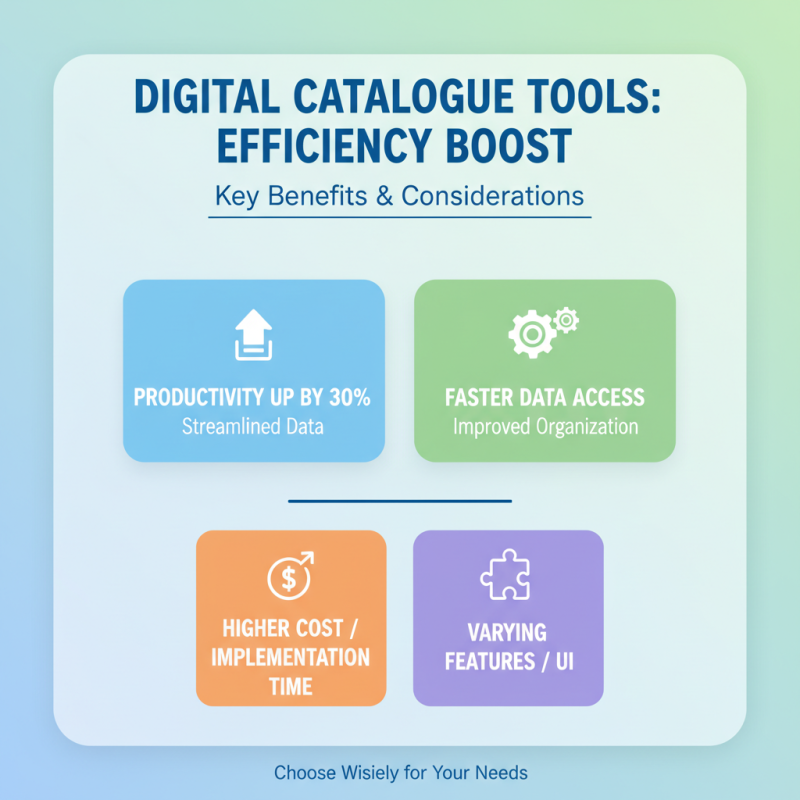
In the rapidly evolving landscape of digital management, the choice of a catalogue tool can significantly impact operational efficiency. A comparative analysis of the top catalogue tools reveals a spectrum of advantages and disadvantages catering to diverse user needs. For instance, a recent industry report highlighted that businesses leveraging streamlined catalogue tools can enhance their productivity by up to 30%, driven by improved data organization and retrieval capabilities. However, while some tools offer superior user interfaces and integration features, they may come with higher costs or longer implementation times, which may deter smaller organizations with limited budgets.
Moreover, flexibility is another critical consideration, as some catalogue tools provide expansive customization options but require significant training for effective use. According to a survey conducted by a leading market research firm, 65% of businesses expressed the need for intuitive designs to minimize the learning curve. Conversely, tools with robust customization capabilities can lead to a steeper initial setup process, which could frustrate teams aiming for quick deployment. Consequently, selecting the right catalogue tool demands a careful weighing of these pros and cons to align with organizational goals and resources, ensuring an investment that supports sustainable growth.
Future Trends in Digital Management and Catalogue Tools
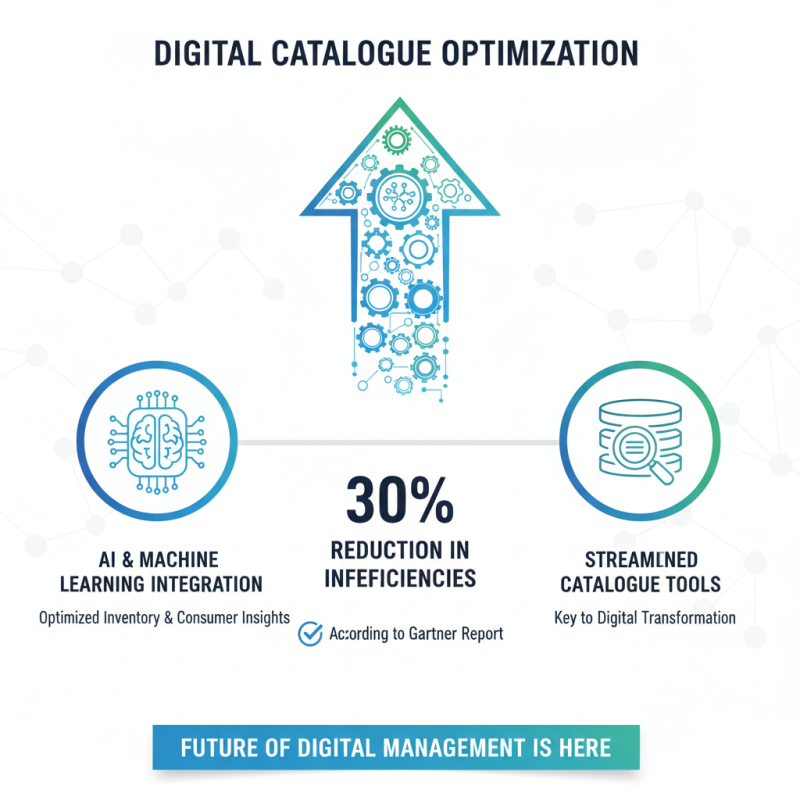
As digital management continues to evolve, the emphasis on streamlined catalogue tools is more pronounced than ever. According to a recent report by Gartner, organizations that implement effective digital management technologies can expect a reduction in operational inefficiencies by up to 30%. This reflects a growing trend where businesses are increasingly turning towards advanced catalogue tools as part of their overarching digital transformation strategies. The integration of artificial intelligence and machine learning into catalogue management systems is also on the rise, enabling organizations to optimize their inventory and better understand consumer behaviors.
Moreover, the 2023 Digital Management Trends report highlights that 65% of businesses are actively seeking intuitive catalogue tools that can enhance user experience and provide detailed analytics. As companies strive to foster adaptability in their supply chains, the ability to quickly adjust catalogues based on real-time data becomes essential. This transition not only facilitates more informed decision-making but also enables companies to respond effectively to market demands. The focus on automation and user-friendly interfaces is expected to dominate the market, positioning smart catalogue tools as vital assets for future-ready organizations aiming to enhance their digital management capabilities.