Top 10 Cutting Tools You Need for Efficient Machining?
In the world of machining, the right cutting tools can make all the difference. Whether you're a seasoned machinist or just starting, understanding these tools is crucial. The effectiveness of your projects often depends on the selection of suitable cutting tools.
Machining tasks require precision, and the tools you choose must deliver that consistently. Different materials demand different cutting techniques, making tool selection a critical factor in productivity. High-quality cutting tools ensure clean cuts, reduce waste, and enhance overall efficiency. Manufacturers often invest in tools that align with their specific needs, which can vary widely.
However, finding the perfect cutting tools isn't always straightforward. The market offers a plethora of options, and not all tools are created equal. Reflecting on your past experiences can guide your choices. Some tools may seem appealing but may not suit your particular projects. Taking time to evaluate the features and capabilities of these tools can lead to better decision-making. Ultimately, the right cutting tools are an investment in quality and efficiency, elevating your machining endeavors to new heights.
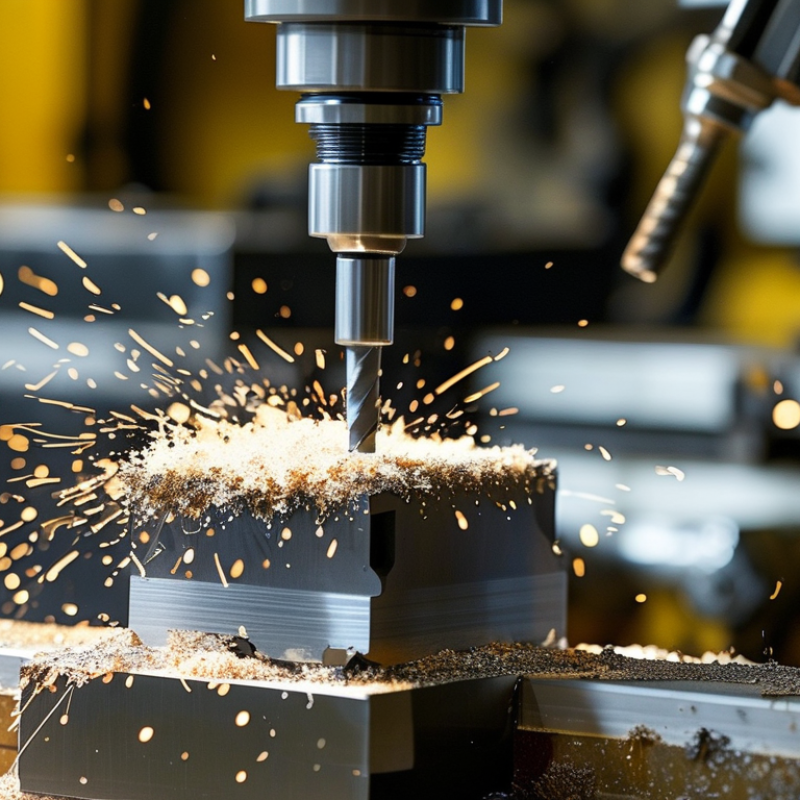
Essential Overview of Cutting Tools in Machining Processes
In the realm of machining processes, choosing the right cutting tools is paramount. Each tool serves a specific purpose, impacting efficiency and final product quality. For instance, high-speed steel (HSS) tools are commonly used for their toughness and heat resistance. However, they may wear out faster than carbide tools under certain conditions. Understanding the material properties helps in selecting the appropriate tool.
Another critical aspect is the geometry of cutting tools. The design, such as the angle of the cutting edge, influences the chip formation and surface finish. A poorly designed tool can lead to increased wear or produce unsatisfactory results. It's essential to evaluate how different geometrical features affect machining efficiency.
Tool maintenance and replacement also play vital roles in successful machining. Regular checks can prevent unexpected failures and extend tool life. However, the temptation to delay replacement may lead to diminished performance. A proactive approach in managing tools can significantly enhance machining operations and overall productivity. Balancing tool quality with cost remains a challenge in many workshops.
Types of Cutting Tools: A Comprehensive Classification
Cutting tools play a crucial role in machining processes. To improve efficiency, it's essential to understand the different types available. Classification helps in selecting the right tool for each operation. There are two main categories: solid tools and cutting tool systems. Solid tools are single-piece items, while cutting tool systems consist of interchangeable parts. Each type has unique advantages.
In industry reports, data shows that solid carbide tools are popular for their hardness and wear resistance, increasing mill productivity by around 20%. These tools perform well at higher temperatures, making them ideal for demanding tasks. On the other hand, tool systems allow users to easily replace worn parts, reducing downtime. A recent survey indicated that 65% of manufacturing companies prioritize flexibility in tooling solutions.
Workers often face challenges selecting the right type of cutting tool. Many rely on past experiences, which may lead to inefficiencies. Not all tools suit every material. Moreover, some may not consider the cost-effectiveness of different tools over time. It's vital to gather data from real-world applications to make informed decisions. This ongoing reflection can lead to better machining practices and enhanced productivity.
Top 10 Cutting Tools for Efficient Machining
Key Features to Consider When Choosing Cutting Tools
When selecting cutting tools for machining, consider several key features. Material is crucial. Different materials, such as high-speed steel or carbide, offer varying levels of durability and wear resistance. Ensure the tool can withstand the specific conditions of your machining process. Not all materials suit every application, so evaluate your needs carefully.
Next, look at the tool geometry. This includes the angles and shapes that affect performance. Choose a design that enhances chip removal and minimizes cutting forces. A well-designed tool can significantly improve efficiency and cut quality. However, precision in geometry often requires balancing complexity and cost. Simpler tools can sometimes perform well in less demanding tasks.
Additionally, pay attention to coatings. Coated tools often resist wear and reduce friction. This can lead to longer tool life and improved surface finish. However, coating choices should be specific to your machining environment. Overlooking this can result in frequent replacements, costing both time and money. It’s essential to reflect on your machining conditions and reassess tool performance periodically to make informed adjustments.
Top 10 Cutting Tools and Their Specific Applications
When it comes to efficient machining, the choice of cutting tools is crucial. Each tool serves specific applications that cater to different materials and machined surfaces. For example, high-speed steel (HSS) mills are commonly used for general-purpose cutting. They excel in producing smooth finishes on softer materials. However, their wear resistance is not as high as other materials like carbide.
Carbide tools are essential for tougher metals. They are known for their ability to withstand high temperatures and resist wear. While carbide tools are more expensive, their durability makes them a sound investment for many machining processes. For more intricate work, end mills are favored. They can create complex shapes and are suitable for a variety of tasks. Yet, they can also chip if not used properly, leading to costly downtime.
Another consideration is the tool geometry. Different shapes, such as flat, ball, or corner radius end mills, provide distinct advantages based on the application. Using the wrong geometry can lead to subpar results. Even seasoned machinists sometimes overlook this aspect. Finding the right balance of speed, feed rates, and tool choice can be a challenging but rewarding process, emphasizing the need for continuous learning in machining practices.
Maintenance Practices for Prolonging Cutting Tool Life
Efficient machining requires careful maintenance of cutting tools. Regular upkeep can significantly extend tool life and enhance productivity. Research shows that properly maintained tools can last up to 30% longer than neglected ones. Regular cleaning is essential. Chips and debris can cause wear and tear, reducing performance. Always ensure tools are free from contamination after each use.
One crucial aspect is the monitoring of tool wear. Using advanced monitoring systems can identify when tools need replacement or sharpening. Automated alerts can save time and prevent costly mistakes. Keeping track of tool performance data helps in making informed decisions.
Keeping tools lubricated is another important practice. Lubricants reduce friction, leading to lower operating temperatures. This can prevent premature tool failure. Remember, proper storage is vital too. Store tools in a dry, controlled environment to prevent corrosion. Tools left in humid conditions can deteriorate quickly, impacting efficiency. Consider implementing a rotating schedule for tool usage to allow for consistent wear distribution.