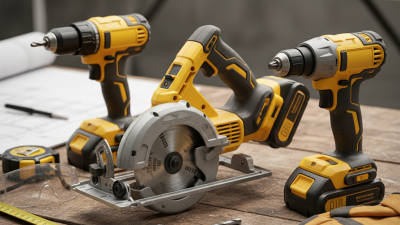
China Top 10 Hardware Tools Manufacturers for Global Buyers
China remains a major sourcing base for hardware tools, serving construction, automotive repair, woodworking, gardening, and household maintenance markets. Buyers can find factories focused on hand tools, power-tool accessories, measuring equipment, fasteners, and jobsite storage. The range is broad. But similar-looking products can differ in steel grades, heat treatment, motor performance, finish quality, and packaging. A polished catalog is not proof of consistent production.
This guide introduces ten Chinese manufacturers relevant to global buyers and explains what each may offer. It is a practical starting point, not a universal ranking or guarantee of suitability. We consider product specialization, manufacturing experience, quality-control practices, customization, export support, and the clarity of available company information. Some details change, and public profiles cannot reveal every factory condition. That matters. Before ordering, confirm current specifications, relevant test reports, warranty terms, and minimum order quantities directly with the supplier. Check lead times and spare-part availability, too. Request samples where feasible, inspect fit and finish, and compare performance under realistic use. One uncomfortable truth: the lowest quote may become costly if tolerances drift or replacement parts are hard to obtain. A careful conversation can expose gaps early. Use this list to narrow your options, then verify claims through documents, samples, and direct communication.
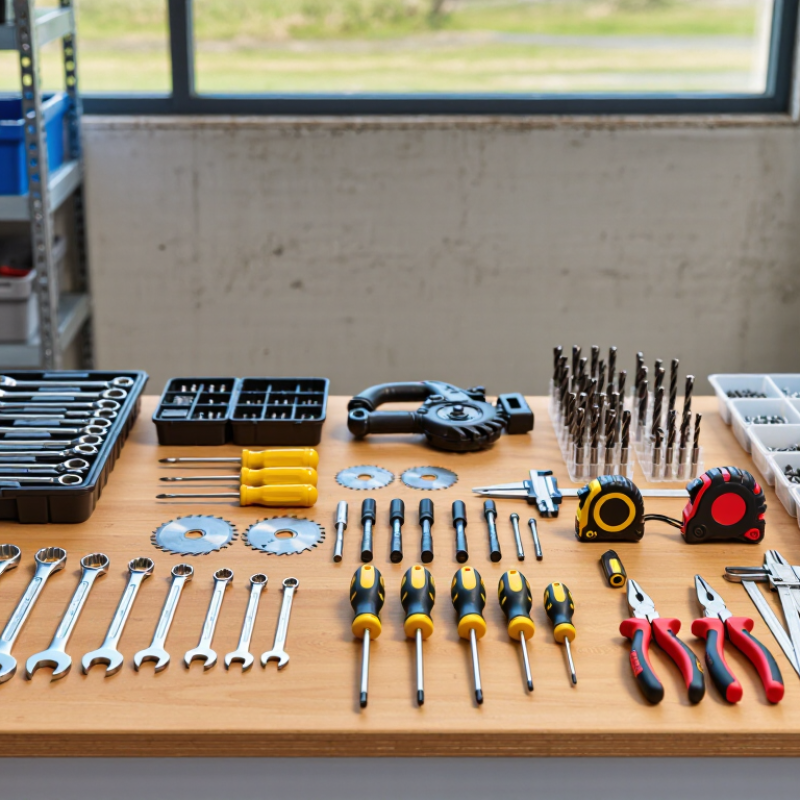
Overview of China’s Hardware Tools Manufacturing Industry
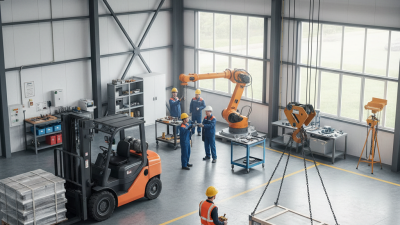
China’s hardware tools industry combines large-scale production with a dense network of component suppliers. Factories make hand tools, cutting accessories, fastening equipment, and measuring instruments. Many production areas connect metalworking, heat treatment, surface finishing, and packaging within short supply chains. This can shorten development cycles and help buyers request changes to handle shape, coating, or packaging. Details matter.
Manufacturing capability varies widely between facilities. Some use automated machining and documented inspection plans; others depend more on manual checks. Buyers should review material specifications, sample consistency, production capacity, and inspection records before placing repeat orders. A polished sample alone is not enough. For tools exposed to repeated impact or torque, confirm how hardness, dimensional accuracy, and finish are checked. Ask how defects are recorded and corrected, not only whether inspection happens. Export experience can support communication and shipping coordination, but it does not replace technical verification. The industry is capable and adaptable, yet uneven quality remains a practical concern. Even experienced buyers can miss a mismatch between a sample and a production batch.
How the Top 10 Manufacturers Are Selected
For global buyers, a “top 10” list should rely on evidence, not polished catalogues. We compare manufacturers using consistent criteria: product range, production capacity, export experience, quality controls, and after-sales support. ISO’s 2022 Survey of Certifications counted 1,265,216 valid ISO 9001 certificates worldwide. That figure shows how widely quality-management systems are used. It does not prove that a specific wrench or drill passed performance tests. Certification is a useful screening signal, but we also look for traceable inspection records and clear test methods.
Product claims are checked against relevant ISO or ASTM methods, including tests for dimensions, hardness, torque, corrosion resistance, and service life. Export capability is reviewed through customs and trade records. Product codes need careful checking; classifications can blur. We also assess factory audits, sample results, lead times, defect handling, and spare-parts access. A low price is not a ranking advantage if batch quality varies. This process is not perfect. Public data can be patchy, and some factories disclose little beyond certificates. The ranking therefore favors verifiable evidence and identifies gaps, rather than treating marketing language as proof.
Profiles of 10 Leading Chinese Hardware Tools Manufacturers
China’s hardware-tools sector serves a broad export market. Grand View Research estimated the global hand-tools market at USD 23.1 billion in 2023, with projected annual growth of 4.3% through 2030. Its figures are estimates, not a guarantee of demand for any supplier. These ten profiles compare manufacturing strengths rather than rank individual companies. They cover forged hand tools, pliers, wrenches, socket sets, and screwdrivers. Each category calls for different production controls, from jaw alignment to consistent torque fit.
The remaining profiles include power-tool accessories, measuring tools, garden tools, cutting and drilling tools, and workshop storage. Some factories focus on one product family; others combine machining, heat treatment, finishing, and export packaging. Details matter. A buyer can request material certificates, dimensional inspection records, and sample testing before placing a large order. Ask how the supplier manages coating thickness and batch-to-batch variation. A polished catalog is not enough. Even a capable factory may have uneven quality across product lines, and that deserves a second look. The profiles therefore help buyers compare equipment, specialization, and verification practices—not just quoted prices.
Key Products and Capabilities Across the Top 10
China Top 10 Hardware Tools Manufacturers for Global Buyers
Key Products and Capabilities Across the Top 10
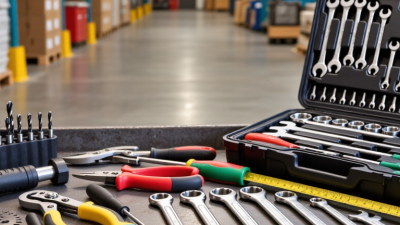
Across leading Chinese hardware tool manufacturers, product ranges often include hand tools, power-tool accessories, measuring equipment, and storage systems. Capabilities vary: some suppliers focus on high-volume production, while others offer custom dimensions, material choices, or packaging. Buyers should compare steel grades, heat treatment, grip materials, and dimensional tolerances—not just catalogue photos. A wrench that looks polished may still have uneven jaw alignment. Details matter.
Ask for product specifications, inspection records, and sample units before placing a large order. For cutting and fastening tools, check edge finish, fit, and wear after repeated use. For measuring tools, verify scale readability and measurement consistency. Confirm production capacity and lead times in writing. A supplier’s stated capability is useful, but it is not proof that every batch will match. Test samples.
Tips: Request samples from shortlisted manufacturers and inspect them under normal working conditions. Compare packaging, labeling, and replacement-part availability, too. Small differences can affect handling and maintenance. If a specification is unclear, ask for a written clarification; assumptions can create costly mismatches.
What Global Buyers Should Evaluate Before Choosing a Supplier
For global buyers comparing China’s hardware tool manufacturers, a low quote is only a starting point. Ask for material specifications, heat-treatment records, and dimensional tolerances for the exact tool model. A wrench that looks sound may still deform under load. Request test methods and recent inspection records, not just a general quality certificate. Small details matter.
Check how the supplier controls production between sample approval and bulk orders. Review inspection steps for handle fit, surface finish, cutting edges, and packaging. Ask how defects are recorded and corrected, and whether production dates can be traced by batch. Samples help. They do not prove everything. A polished sample may not reflect a rushed production run, so consider an independent pre-shipment inspection for important orders.
Reliability also includes clear communication and realistic delivery planning. Confirm lead times, minimum order quantities, spare-part availability, and how changes are handled. Ask for references or evidence of experience with similar tool categories and export packaging. Compare quotations line by line; vague descriptions can conceal differences in materials or included services. Even careful checks can miss issues, so document specifications and acceptance criteria before production begins.
China Top 10 Hardware Tools Manufacturers for Global Buyers — What Global Buyers Should Evaluate Before Choosing a Supplier
A practical framework for comparing suppliers. The percentages below are suggested evaluation weights, not survey results or ratings of individual manufacturers.
Prioritize product quality and compliance, then verify production capacity and delivery performance with current documents, samples, and factory checks. Adjust the weighting to fit your products and market requirements.