How to Choose Cutting Tools for Global Sourcing?

Choosing cutting tools for global sourcing is not simply a price comparison. It requires practical knowledge of machining conditions, supplier capabilities, and end-use requirements. A tool that performs well on stainless steel may fail quickly on hardened alloy. Small differences matter.

Experienced buyers usually begin with the workpiece material, machine power, spindle speed, coolant method, and required surface finish. Tool geometry, carbide grade, coating, and tolerance should match these conditions. Supplier records also deserve attention. Review inspection reports, material certificates, batch traceability, and sample-testing procedures before approving large orders.

A reliable supplier should explain performance limits clearly. Promises alone are not evidence. Request trial tools and compare tool life, cycle time, chip control, and edge wear under similar conditions. One test may not represent every production environment. That is worth remembering.

Global sourcing adds practical risks. Shipping delays, inconsistent packaging, unclear technical drawings, and communication gaps can interrupt production. Confirm dimensions, packaging standards, replacement policies, and quality responsibilities in writing. Consider total cost, not only the unit price. A cheaper tool can become expensive through shorter life and more machine downtime.

No checklist is perfect. Even qualified suppliers may produce inconsistent results during material or process changes. Maintain inspection records and review performance after each shipment. Technical expertise helps, but disciplined verification builds confidence. The right cutting tools should deliver predictable performance, measurable value, and dependable support across international supply chains.
How to Choose Cutting Tools for Global Sourcing?

Define Cutting Tool Requirements for the Intended Application

How to Choose Cutting Tools for Global Sourcing?

Define the cutting tool requirements before contacting overseas suppliers. Start with the workpiece material, hardness, geometry, and required surface finish. A tool for hardened steel cannot be selected like one for aluminum. Record the machine type, spindle speed, power, holder interface, and available coolant. These details prevent expensive assumptions.

Specify the operation clearly. Drilling, rough milling, slotting, and finishing each demand different edge designs and cutting parameters. State the target diameter, depth, tolerance, and expected tool life. For example, a 10 mm hole with a ±0.02 mm tolerance needs more than a matching nominal diameter. It may require controlled runout, suitable coating, and stable chip evacuation. Keep drawings, inspection methods, and material certificates in the sourcing file. Ask suppliers to confirm capability in writing.

I have seen tools fail because the buyer described only the part material. The machine was overlooked. That mistake was costly. Test samples under real production conditions, not only in a supplier’s demonstration. Measure wear, burr formation, cycle time, and surface quality after a fixed number of parts. Compare results using the same coolant and workholding method. Also define packaging, identification, replacement quantities, and acceptable deviations. A practical requirement should be measurable, but not every variable is easy to predict. Cutting data may need adjustment after the first trial. That uncertainty deserves documentation, not concealment.

Compare Tool Materials, Coatings, and Cutting Performance

How to Choose Cutting Tools for Global Sourcing?

Compare Tool Materials, Coatings, and Cutting Performance

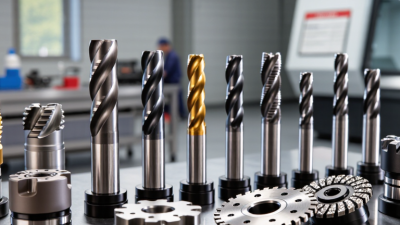
Choosing a cutting tool starts with the workpiece, not the supplier’s catalog. Carbide suits many production jobs because it balances hardness, toughness, and speed. High-speed steel remains useful for interrupted cuts and simpler machines. Ceramic can handle extreme heat, but it needs stable setups and careful handling. For abrasive nonferrous materials, diamond-based tools may deliver cleaner edges, though their cost requires close calculation.

Coatings change performance rather than fixing a weak tool design. A heat-resistant coating can support higher cutting speeds, while a low-friction coating may improve chip flow. Match the coating to the material, coolant, and cutting temperature. I once selected a harder tool for stainless steel and expected longer life. The edge chipped early because the machine vibrated. That mistake still influences my sourcing checks.

Ask suppliers for substrate grade, coating type, recommended cutting data, and inspection records. Request sample tools from the same production batch. Test them under controlled conditions, recording tool life, surface finish, burr formation, and spindle load. A tool that cuts quickly but produces rough walls may increase total costs. Check dimensional consistency across shipments, especially when sourcing from different regions. Translation errors can also affect feed rates and tolerance notes. Keep the data visible. Small details matter. Compare results against your actual machine, fixture, coolant, and operator method, because published performance figures often describe ideal conditions.

How to Choose Cutting Tools for Global Sourcing?

Comparison of typical cutting speed and relative tool life across common tool-material and coating combinations.

Values are representative engineering ranges for machining medium-carbon steel under stable milling conditions. Cutting speed is shown as a typical midpoint in m/min, while the tool-life index uses uncoated HSS as 1.0. Actual performance depends on workpiece hardness, tool geometry, coolant, machine rigidity, feed rate, and cutting depth.

Evaluate Supplier Quality, Certifications, and Production Capabilities

How to Choose Cutting Tools for Global Sourcing?

Supplier quality should be tested, not assumed. Request recent inspection records for diameter, edge geometry, runout, and coating thickness. Ask how each batch is identified and traced. ISO’s Survey 2023 recorded more than 1.26 million ISO 9001 certificates worldwide. Certification signals a management system, but it does not guarantee consistent tool life. Review the certificate scope, issuing body, expiry date, and audit findings. A certificate without production evidence is weak evidence.

Tips: Request three samples from separate batches. Compare measurements, surface finish, and cutting performance. Check whether the supplier uses calibrated gauges and documented sampling plans. Ask for corrective-action reports, not only attractive quality charts.

Production capability matters when demand changes. Examine grinding equipment, coating capacity, heat-treatment controls, maintenance records, and backup processes. A capable supplier should explain its weekly output, bottlenecks, lead-time risks, and emergency capacity. The 2023 Deloitte Global Chief Procurement Officer Survey emphasized resilience and supply continuity as major procurement priorities. That concern applies directly to cutting tools, where one delayed batch can stop a machining cell. Still, capacity claims can be optimistic. Require a live factory audit, trial order, and measurable acceptance criteria. Do not overlook communication quality. Slow, unclear answers may reveal future quality problems. Audits are imperfect, and even experienced buyers can overvalue paperwork. Physical evidence remains essential.

How to Choose Cutting Tools for Global Sourcing? - Evaluate Supplier Quality, Certifications, and Production Capabilities

Evaluation Dimension Recommended Requirement or Benchmark Evidence to Request Why It Matters in Global Sourcing Suggested Weight
Quality management system A current ISO 9001 certificate with a scope covering the design, manufacture, inspection, or distribution of cutting tools, as applicable. Certificate number, issuing certification body, validity dates, site address, and certified scope. Confirm the certificate directly with the issuing body when practical. Provides a documented framework for process control, corrective action, document control, and customer complaint handling. 15%
Insert and tool specification control Technical drawings should define tool geometry, dimensions, tolerance limits, substrate, coating, edge preparation, and applicable insert designation standards such as ISO 1832 where relevant. Approved drawings, revision history, control plans, first-article inspection reports, and sample measurement records. Prevents uncontrolled substitutions and reduces variation between purchase lots or manufacturing locations. 12%
Raw-material and carbide grade control The supplier should define carbide, cermet, ceramic, cubic boron nitride, or diamond material grades by documented composition and intended cutting application. Carbide classification should be aligned with recognized ISO 513 terminology where applicable. Material certificates, incoming inspection records, lot numbers, density or hardness results, and supplier approval records for powder or blank materials. Material variation directly affects wear resistance, toughness, edge failure, and tool life. 10%
Dimensional inspection capability Use calibrated optical measurement systems, vision inspection, tool presetters, surface measurement equipment, and coordinate measurement equipment when required by the drawing. Equipment list, calibration certificates traceable to national or international standards, gauge repeatability studies, and inspection reports. Reliable measurement is essential for edge preparation, runout, profile accuracy, and interchangeability. 12%
Grinding and finishing capability Production should include suitable CNC grinding, edge preparation, polishing, or honing processes with documented parameter control. Required tolerances must be confirmed against the product drawing rather than assumed from machine capability. Process flow chart, machine list, capability studies, sample inspection data, and photographs or records from an approved production site visit. Consistent edge geometry and surface finish influence cutting forces, burr formation, tool life, and part quality. 12%
Coating process and control For coated tools, the supplier should control coating composition, substrate preparation, coating thickness, adhesion, and batch identification through an internal process or a qualified coating partner. Coating specification, thickness or composition reports, adhesion test results, coating-batch traceability, and subcontractor qualification records. Coating inconsistency can cause premature wear, built-up edge, chipping, or unstable cutting performance. 10%
Process capability and statistical control For critical dimensions, request capability data such as Cp/Cpk or equivalent statistical evidence. A commonly used internal benchmark is Cpk ≥ 1.33 for stable mass-production characteristics, subject to customer requirements. Control charts, capability studies, defect Pareto charts, corrective-action reports, and recent production inspection data. Statistical evidence is more reliable than a general statement that the supplier has “high precision.” 10%
Traceability and batch identification Every shipment should be traceable to the production lot, raw material, coating batch where applicable, inspection results, production date, and operator or work-center records. Lot coding procedure, packing-list samples, certificate-of-conformance templates, and mock traceability exercise results. Traceability enables faster containment, root-cause analysis, recalls, and repeat-order consistency across borders. 8%
Production capacity and continuity Capacity should be demonstrated by equipment availability, staffing, working shifts, maintenance planning, standard lead time, surge capacity, and documented business-continuity arrangements. Capacity statement, monthly output by product family, on-time delivery history, maintenance plan, backup equipment information, and continuity plan. A technically capable supplier may still fail if it cannot maintain delivery during demand peaks or equipment downtime. 6%
Environmental and occupational controls ISO 14001 and ISO 45001 may be requested for suppliers where environmental impact, worker safety, customer policy, or regulatory requirements are material. These certificates should not replace product-quality verification. Current certificates, environmental permits where applicable, waste-handling records, safety procedures, and audit findings. Supports responsible sourcing and reduces compliance, operational, and reputational risks. 5%
Total Suggested Evaluation Weight 100%
Suggested scoring method: Score each dimension from 0 to 5. Multiply the score by the suggested weight, then add the weighted results. Require satisfactory product samples and documentation before approving any supplier, regardless of the final numerical score.

Check Compatibility, Pricing, Lead Times, and Minimum Order Quantities

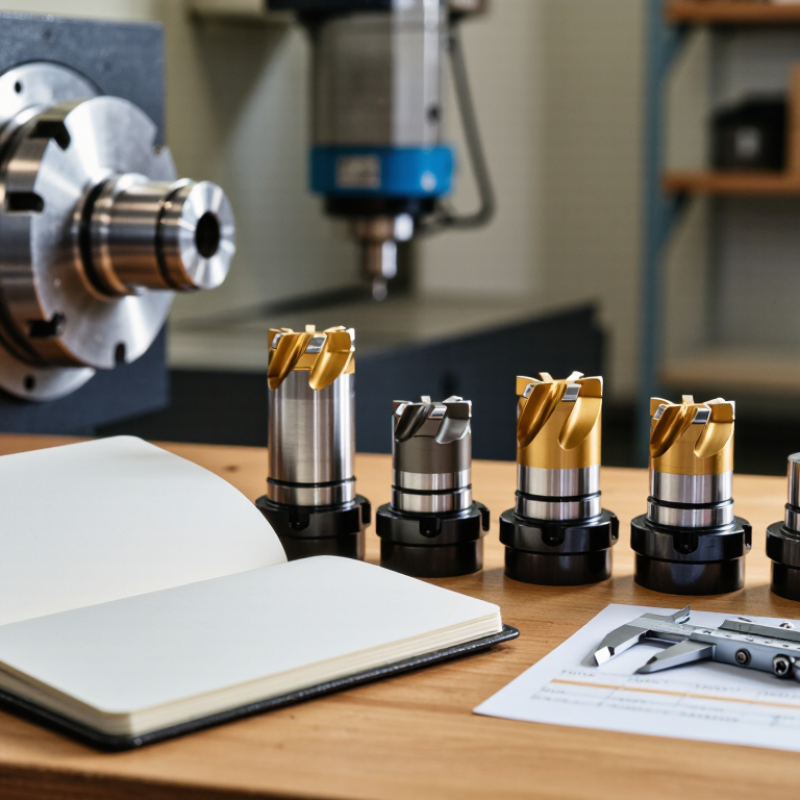
Global sourcing begins with compatibility, not price. Match the tool’s diameter, shank, flute count, coating, and material grade with the machine and workpiece. Confirm spindle speed, coolant method, holder tolerance, and drawing revision in writing. ISO 13399 data can reduce confusion when suppliers use different product descriptions. A useful check is a small test batch. It may reveal vibration that a polished quotation cannot.

Pricing needs more than the unit figure. Ask for tooling, inspection, packaging, freight, and replacement costs separately. The U.S. Cutting Tool Institute and the Association for Manufacturing Technology reported roughly 2.4 billion dollars in U.S. cutting-tool consumption during 2024. That scale suggests strong purchasing activity, but it does not guarantee stable prices. Carbide content, energy costs, and order volume can change the offer quickly. Request a validity period and a written price-adjustment formula.

Lead times and minimum order quantities can quietly damage a project. The World Bank’s 2023 Logistics Performance Index found that goods averaged 44 days moving through international supply chains. Allow extra time for sampling and customs clearance. Ask whether the quoted lead time starts after payment, drawing approval, or sample acceptance. MOQ also deserves negotiation: a lower opening quantity may cost more per piece, but it limits dead stock. I have seen buyers compare only unit prices and overlook unusable inventory. That was expensive. Recheck the assumptions.

Select the Best Supplier Through Testing and Risk Assessment

How to Choose Cutting Tools for Global Sourcing?

Selecting a cutting tool supplier requires more than comparing prices. Test the tool under real machining conditions before approving any order. Use the same material, machine, speed, feed rate, and coolant for every supplier. Record tool life, surface finish, cutting noise, and edge damage. Small details matter.

Test samples from at least two production batches. Check dimensions with calibrated measuring equipment. Inspect the cutting edge under magnification. Ask the supplier for material certificates, process records, and inspection results. A reliable supplier should explain failures without hiding behind vague promises. Request a corrective action report when results fall short.

Risk assessment should cover quality, delivery, communication, and capacity. Visit the facility when practical, or arrange a live remote audit. Review maintenance schedules, operator training, and backup production plans. I once focused too heavily on tool life and missed unstable delivery times. That mistake delayed a complete machining schedule. My current assessment uses weighted scores and evidence for each claim. It is not perfect. Supplier data may still be incomplete. Repeat testing after major process changes. Keep approval records, test photos, and measurement results in one controlled file. This creates a clearer sourcing decision and reduces unpleasant surprises.

WhatsApp