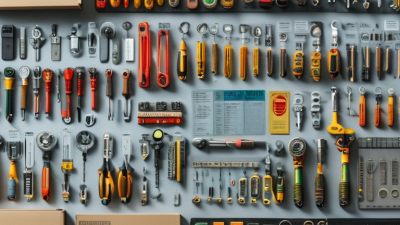
How to Store Tools Safely and Efficiently?

How to Store Tools Safely and Efficiently? The question reaches beyond neat shelves and labeled drawers. A misplaced wrench can become a trip hazard. A loose blade can damage hands, materials, or nearby equipment. Good storage protects people, preserves tools, and keeps work moving.

The U.S. Occupational Safety and Health Administration requires stored materials to remain stable and not create hazards under 29 CFR 1910.176(b). Its guidance supports clear aisles, secure stacking, and practical housekeeping. The Bureau of Labor Statistics recorded 5,283 fatal workplace injuries in the United States during 2023. That figure is not limited to storage failures, but it shows why small controls deserve serious attention. The Health and Safety Executive also identifies poor housekeeping, falling objects, and blocked routes as recurring workplace risks.

Start with the tool’s shape, weight, frequency of use, and condition. Heavy power tools belong on lower shelves. Sharp tools need guarded edges and dedicated holders. Cords should hang without touching wet floors or walkways. Labels should remain readable under workshop dust and oil.

A perfect system rarely stays perfect. People rush. Drawers become mixed. Inspections may be skipped. That weakness should shape the design. Store tools where users naturally return them, not where a diagram says they belong. Add shadow boards, foam cutouts, or color codes when they genuinely reduce searching. Review the arrangement after real work, especially when tools migrate between benches, vehicles, and job sites. The goal is not visual perfection. It is dependable access, safer habits, and fewer preventable surprises.
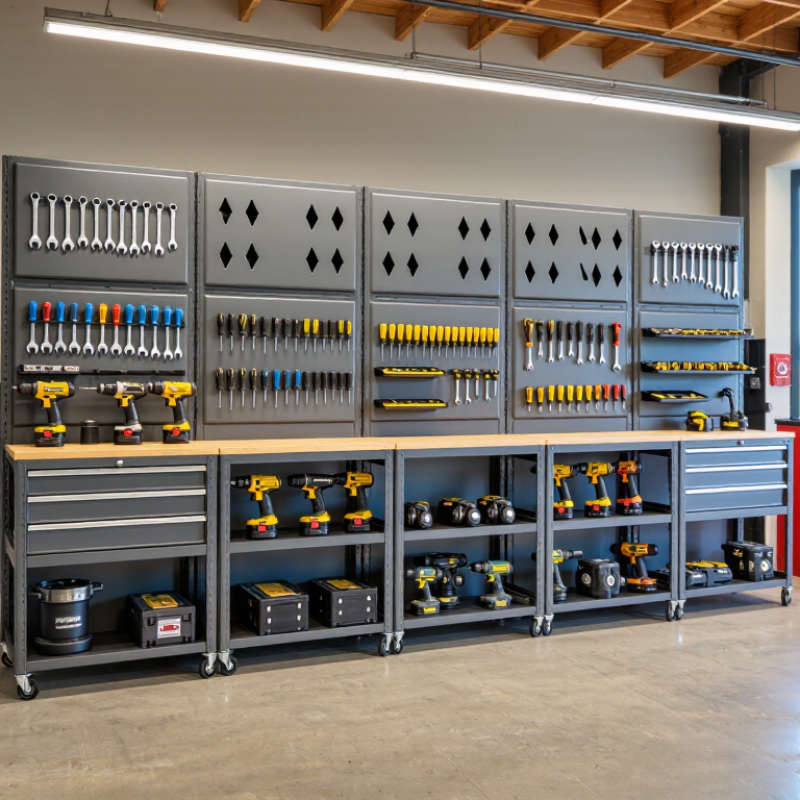
How to Store Tools Safely and Efficiently?

Identify Tool Types, Hazards, and Storage Requirements

How to Store Tools Safely and Efficiently?

Safe storage begins with identifying each tool type. Hand tools need dry drawers, wall racks, or fitted trays. Power tools require protected shelves and careful cable management. Sharp tools need covers or dedicated compartments. Heavy tools belong on low, stable shelves. This reduces lifting injuries and prevents falling objects. During workshop inspections, I check handles, blades, cords, and loose parts before storage. A damaged handle may look harmless. It is not.

Hazards also determine storage requirements. Moisture can cause rust, especially on cutting edges and metal joints. Dust may block vents on powered equipment. Flammable cleaning materials should remain away from heat sources and electrical equipment. Keep walkways clear, and store frequently used tools between waist and shoulder height. Labels help, but they are not enough. I once returned a small wrench to the wrong drawer because the compartments looked almost identical. The system needed better visual contrast.

Tips: Clean tools before storage, then dry them completely. Use shadow boards or outlines to reveal missing items. Keep sharp edges facing away from hands. Inspect shelves for bending, loose fasteners, and overloaded surfaces. Store cords in loose loops, not tight knots. Review the layout after real use. A storage plan may seem perfect on paper, yet awkward in practice.

Choose Suitable Storage Systems for Different Tools

Choosing storage by tool type prevents damage, wasted space, and frustrating searches. In my workshop, I match each tool’s weight, shape, and frequency of use before assigning a home. Hand tools work well in shallow drawers or wall-mounted holders. Their handles remain visible, while sharp edges stay separated. Small fasteners need compartment boxes with secure lids. Otherwise, one dropped box can scatter screws across the floor. Keep frequently used tools near the main bench. Less-used equipment can occupy higher cabinets, but lifting it must remain safe.

Heavy tools require stable, low storage. A reinforced cabinet or floor-level drawer reduces tipping risk and protects your back. Long items, such as levels and clamps, fit better on vertical racks with individual supports. Avoid leaning them loosely against a wall. They can slide, bend, or fall when another item moves. Power tools need dry cabinets with ventilation around their housings. Cords should rest in loose loops, not tight knots. I once stored a damp sanding tool too quickly, and its metal parts developed surface rust. That mistake changed my routine: tools now cool and dry before storage.

Use foam inserts or padded compartments for precision tools. This limits scratches and prevents calibration-sensitive equipment from knocking together. Label drawers by function rather than vague names. “Cutting” is more useful than “miscellaneous.” Review the system every few months. Work habits change. An attractive layout can become inconvenient. Leave enough hand clearance, check cabinet weight limits, and keep walkways unobstructed.

Organize Tools for Safe and Convenient Access

Safe tool storage begins with easy access, not simply hiding everything in a cabinet. In a workshop, I keep frequently used tools between waist and shoulder height. This reduces bending, reaching, and accidental drops. Heavy items belong on lower shelves, while sharp tools need closed compartments. Each tool should have a visible place. A shadow board or labeled drawer helps people return tools correctly, even during busy work.

I once stored a measuring tool beside loose metal parts. Its surface became scratched, and the readings later seemed unreliable. That small mistake changed my routine. I now separate delicate instruments from impact tools and wipe them before storage. Dry surfaces matter too. Moisture can damage metal, weaken handles, and create slippery grips. Stable shelves, strong lighting, and clear walkways make access safer. Check storage units regularly, because screws loosen and crowded drawers become hazards.

Tips: Keep heavy tools low. Store blades with protective covers. Leave space around handles for a firm grip. Use labels large enough to read quickly. Inspect cords, hinges, and shelf supports every month. Follow the tool maker’s care instructions when available. Avoid storing tools where heat, water, or direct sunlight can reach them. A perfect system is unlikely. Review it after real use, and adjust anything that slows you down or causes hesitation.

Protect Tools from Damage, Loss, and Environmental Risks

Safe tool storage protects more than equipment. It also protects time, hands, and project quality. In my workshop experience, scattered tools suffer most from moisture, dust, impact, and careless stacking. A damp drawer can leave rust marks within days. Heavy items can bend delicate tools underneath. Store each tool in a dry cabinet, drawer, or fitted case. Use dividers to prevent metal edges from striking each other. Keep sharp tools covered, with handles facing outward for safer access.

Tips: Wipe tools before storage. Add moisture control packs in closed cabinets. Keep an inventory sheet nearby. Mark storage locations clearly. Check rarely used tools every few months. Small habits prevent expensive surprises.

Environmental control needs regular attention. Keep storage away from leaking pipes, direct sunlight, and floor-level water. In cold areas, sudden temperature changes may create condensation. A raised shelf can protect tools during minor leaks. I once ignored a slightly loose cabinet seal, and several tools developed surface corrosion. That mistake reminded me to inspect storage, not just tools. Still, perfect organization is unrealistic. People move tools during busy work. A simple return routine is more reliable than complicated storage rules. At the end of each task, clean, inspect, and return every item to its assigned place.

How to Store Tools Safely and Efficiently? - Protect Tools from Damage, Loss, and Environmental Risks

Tool Category Recommended Storage Method Protection Measures Environmental Requirements Typical Risks Inspection Frequency Inventory Control
Hand Tools Store in labeled drawers, shadow boards, or compartment organizers. Keep frequently used tools between waist and shoulder height. Use fitted compartments to prevent impact, keep sharp edges covered, and wipe off dirt and moisture after use. Keep in a clean, dry area away from standing water and corrosive chemicals. Medium
Rust, misplaced tools, damaged handles, and edge deformation.
Monthly visual inspection; inspect immediately after heavy use. Assign storage locations and mark each location with a tool outline, label, or identification number.
Power Tools Store in manufacturer-supplied cases, lockable cabinets, or dedicated shelving with sufficient clearance around each tool. Remove batteries when recommended, protect switches from accidental activation, and prevent cords from sharp bends or crushing. Use a dry, dust-controlled area. Avoid excessive heat, condensation, and direct sunlight. High
Electrical damage, battery incidents, cable damage, and unauthorized use.
Before each use and at least monthly while in storage. Record tool location, condition, accessories, and assigned user or department.
Cordless Tool Batteries Keep batteries in non-conductive protective cases or designated charging and storage cabinets. Protect terminals from short circuits, separate damaged batteries, and use only compatible chargers. Follow the battery manufacturer's specified temperature and charge-storage guidance; avoid hot vehicles and moisture. High
Short circuit, overheating, leakage, swelling, or fire.
Check before every charge and conduct a documented monthly condition check. Track battery age, condition, charging status, and disposal or recycling date.
Cutting Tools Store blades, knives, chisels, and saws in racks, sheaths, blade guards, or closed drawers. Cover cutting edges, separate sharp items from other tools, and use secure racks to prevent falling objects. Keep dry and clean. Apply a suitable rust-preventive coating to carbon-steel surfaces when appropriate. High
Cuts, punctures, corrosion, and damaged cutting edges.
Inspect before each use and after any impact or drop. Use a sign-out system for high-risk cutting tools and verify return after each task.
Measuring Instruments Store in protective cases, padded drawers, or dedicated cabinets away from vibration and heavy equipment. Prevent drops and shocks; keep sensors, lenses, and contact surfaces capped or covered. Maintain stable temperature and humidity within the instrument manufacturer's limits; avoid condensation. Medium
Loss of accuracy, cracked displays, contamination, and calibration drift.
Visual check before use; calibration at the interval specified by the manufacturer or quality system. Maintain calibration status, due dates, serial or asset numbers, and repair history.
Pneumatic Tools Store on shelves or in cases with hoses loosely coiled and protected from crushing or sharp edges. Disconnect air supply before storage, cap air inlets when needed, and drain moisture from the air system. Use a clean, dry environment. Keep away from oil, solvents, heat sources, and corrosive atmospheres. Medium
Hose deterioration, internal corrosion, contamination, and accidental start-up.
Inspect before each use; perform a monthly hose and fitting check. Store with compatible accessories and record defects requiring maintenance.
Torque Tools Store unloaded in a protective case or rack. Do not leave adjustable torque mechanisms under working load. Protect from impact, contamination, and unauthorized adjustment. Keep adjustment instructions with the tool. Use a clean, dry, temperature-stable storage area within the calibration procedure requirements. High
Incorrect fastening torque, calibration drift, and mechanical damage.
Check before use and calibrate according to the manufacturer's instructions or the applicable quality program. Record calibration status, range, last test date, and next due date.
Electrical Test Equipment Store in insulated cases or cabinets with test leads coiled loosely and accessories separated. Inspect insulation, probes, fuses, and housings. Keep damaged leads out of service until repaired or replaced. Keep dry, clean, and away from conductive dust, chemicals, and strong electromagnetic or physical hazards. High
Electric shock, incorrect readings, insulation failure, and equipment damage.
Visual and functional check before every use; formal testing at scheduled intervals. Use an inspection label and maintain records for test status, faults, and corrective actions.
Welding and Hot-Work Tools Store torches, holders, leads, and accessories on dedicated racks away from combustible materials. Remove gas connections when not in use, protect hoses from heat and abrasion, and secure cylinders upright where applicable. Provide ventilation and separate fuel-gas or oxygen storage according to local safety requirements. High
Fire, explosion, gas leakage, burns, and hose deterioration.
Check before each use and inspect hoses, regulators, and connections on a scheduled basis. Control access and record cylinder condition, equipment inspections, and maintenance actions.
Garden and Outdoor Tools Hang long-handled tools on wall racks; store small tools in bins or cabinets with handles and blades separated. Clean soil and plant residue, dry metal surfaces, cover sharp edges, and keep handles securely supported. Use a covered, ventilated, low-humidity area protected from rain, frost, and prolonged sunlight. Medium
Rust, wood cracking, blunt edges, pests, and trip hazards.
Inspect at the beginning and end of each operating season. Label storage locations and quarantine tools with loose handles, cracked components, or excessive corrosion.
Specialty or High-Value Tools Use locked cabinets, controlled-access rooms, or protective cases with dedicated compartments. Restrict access, protect against impact and contamination, and preserve required accessories and documentation. Follow the specific environmental, security, and preservation requirements for the tool. High
Loss, unauthorized use, costly damage, and prolonged downtime.
Check condition and location after every issue and return; perform a formal monthly audit. Use barcode, QR-code, or register-based tracking with issue, return, and condition records.
General storage rule: Clean and dry tools before storage, keep heavy items on lower shelves, maintain clear access routes, separate damaged tools from serviceable tools, and use a documented inspection and inventory process.

Maintain and Review the Storage System Regularly

How to Store Tools Safely and Efficiently?

A storage system only works when people review it regularly. During weekly checks, inspect drawers, wall panels, shelves, and floor areas. Look for loose handles, damaged hooks, oily surfaces, and overloaded compartments. A missing tool should be recorded, not quietly ignored. The U.S. Bureau of Labor Statistics reported about 2.6 million nonfatal workplace injuries and illnesses in private industry during 2023. Poorly stored tools may not cause every incident, but they can create preventable trips, falling-object risks, and rushed handling.

Keep heavy tools between knee and shoulder height. Place sharp edges inward, and return frequently used items to clearly marked locations. Check that labels remain readable under dust and workshop lighting. The UK Health and Safety Executive estimated 604,000 non-fatal workplace injuries during 2023/24. Regular reviews help identify patterns before they become injuries. They also reveal inefficient habits, such as storing drills far from their accessories.

Review the system after new equipment arrives, after a near miss, and after layout changes. Ask workers which tools are difficult to find. Their answers often expose weaknesses that a checklist misses. Do not assume a clean shelf is a safe shelf. My own maintenance reviews have shown that tidy storage can still hide overloaded hooks and damaged fasteners. Record each correction, assign an owner, and set a specific recheck date. Some storage decisions will need revision. That is normal.

WhatsApp