China has become a major source of construction materials tools for contractors, distributors, and renovation teams worldwide. Its factories produce hand tools, power tools, fasteners, safety equipment, cement products, insulation, and finishing materials. However, product variety does not guarantee dependable performance. Buyers must examine specifications, factory experience, testing records, and after-sales support before placing an order.
Norm Abram, the respected master carpenter and former This Old House craftsman, is known for saying, “You can never have too many clamps.” His practical observation reflects a broader truth: the right tool improves control, safety, and finish quality. A reliable Chinese supplier should provide clear product dimensions, material grades, load ratings, user instructions, and consistent packaging. Request physical samples when possible. Test a drill’s heat control, inspect a wrench’s surface finish, and check whether fasteners fit the intended application. Small details matter.
The strongest choices also come from suppliers with traceable production and recognized quality systems. Independent inspections can confirm measurements, coating thickness, electrical safety, or packaging accuracy. Local building requirements still need careful review. A product accepted in one market may require different documentation elsewhere. Pricing is important, but the cheapest option can create replacement costs, delays, or unsafe work conditions. No list is perfect. Even experienced buyers can overlook a factory change or a misleading specification. This guide examines useful construction materials tools from China through practical performance, sourcing reliability, and professional judgment.
China’s construction materials and tools market covers a broad range of project needs. It includes structural steel, cement, concrete components, insulation, glass, flooring, pipes, and electrical fittings. Interior finishes also form a major category, including wall panels, tiles, doors, and sanitary equipment.
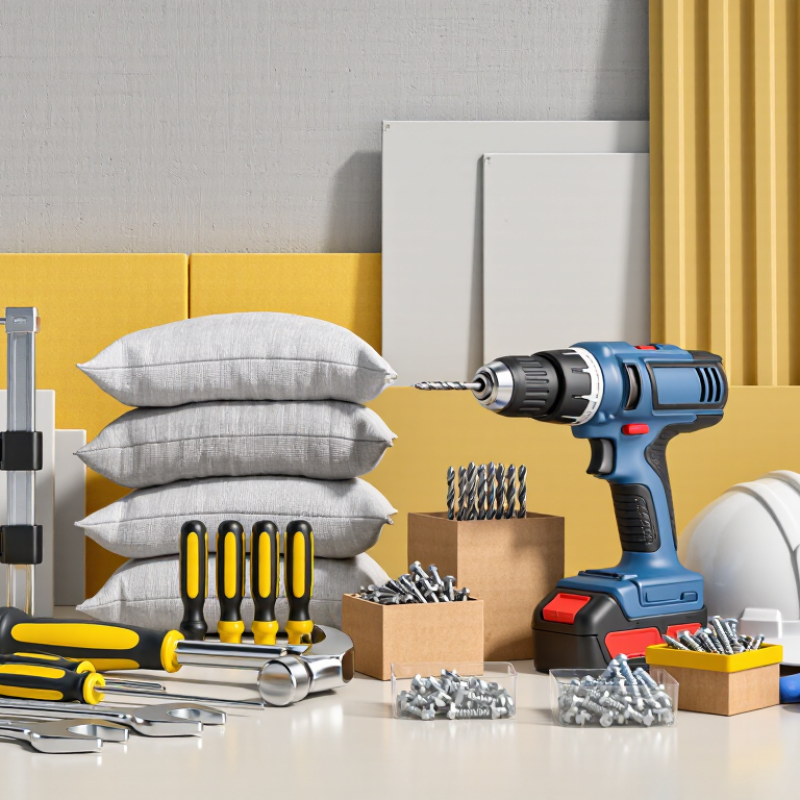
Tools range from hand equipment to powered machinery. Common products include drills, cutting tools, measuring devices, scaffolding parts, lifting equipment, and concrete vibrators. Think beams, anchors, and blades. Each category requires different checks. Buyers should review material grades, load ratings, dimensions, surface treatment, and operating instructions. For electrical or powered tools, voltage compatibility and safety documentation deserve close attention.
A reliable sourcing process begins with clear drawings and measurable specifications. Ask for test reports, production samples, packaging details, and inspection records before placing a large order. Samples help. On site, small differences in thickness or hole spacing can delay installation. Independent inspection can verify quantity, finish, and basic performance before shipment. However, no checklist is perfect. A sample may pass while later production varies. That risk deserves honest planning. Delivery schedules, replacement procedures, and communication in technical English should also be confirmed in writing. Practical experience suggests that the cheapest quotation is rarely the lowest project cost, especially when rework, damaged packaging, or missing accessories appear.
Top Construction Materials and Tools from China?
How China’s Building Materials Are Made and Classified
Chinese building materials are not one uniform category. Factories classify them by composition, performance, and intended use.
That system begins with raw inputs. Cement plants heat limestone and clay in kilns, then grind the clinker into fine powder. Steel mills melt iron-bearing materials, adjust carbon levels, and roll the metal into bars, sheets, or sections. Glass production uses silica sand, soda ash, and controlled furnace temperatures. Small temperature changes can affect clarity and strength.
Concrete products are usually grouped by strength grade, density, curing method, and application. Bricks may be classified as clay, concrete, lightweight, or hollow units. Ceramic tiles are judged by water absorption, surface wear, size accuracy, and slip resistance. These details matter more than appearance alone. A glossy tile can still perform poorly outdoors.
Insulation materials require closer attention. Mineral wool, foam boards, and cellular glass differ in thermal resistance, fire behavior, moisture response, and installation needs. Construction tools follow another classification: hand tools, cutting equipment, lifting devices, measuring instruments, and powered machines. Their quality depends on material hardness, motor output, safety controls, and maintenance access.
In project checks, I would compare test reports with actual samples. Specifications can look complete but still hide unsuitable conditions. Local climate, loading, worker skill, and national standards may change the correct choice. I have also found that packaging damage can affect materials before installation. That risk deserves inspection.
China produces a wide range of construction tools, including concrete mixers, electric vibrators, rebar cutters, laser levels, diamond blades, and portable hoists. Grand View Research valued the global construction equipment market at about US$181.5 billion in 2023. It also projects roughly 4.8% annual growth from 2024 to 2030. This demand supports China’s large manufacturing base and broad export capacity.
On active job sites, compact concrete vibrators help remove air pockets around reinforcing steel. Rebar cutters and benders improve repeatability when crews prepare dense reinforcement cages. Laser levels reduce layout errors on floors, walls, and formwork. Battery-powered drills and grinders are also useful where cables create trip hazards. The International Energy Agency estimates that cement production causes about 7% of global carbon dioxide emissions. More efficient mixers, longer-lasting parts, and lower-energy motors therefore deserve practical attention.
Specifications alone are not enough. A site supervisor should check insulation, overload protection, spare-part access, and calibration records. Testing matters.
One weakness remains.
Some product catalogs emphasize output but omit duty-cycle testing. I have seen tools perform well during short demonstrations, then overheat during continuous concrete work. Independent inspection, sample trials, and documented compliance with applicable safety standards provide stronger evidence than low pricing. Supplier communication can still be uneven, especially when technical translations simplify important limitations.
Typical rated power ranges for widely manufactured construction-tool categories in China. Actual specifications vary by tool size, application, and operating standard.
Top Construction Materials and Tools from China?
Standards, Quality Checks, and Product Selection
Choosing construction materials from China requires more than comparing prices. Match each product with the project’s drawings, climate, and installation method. Check applicable standards such as ISO, ASTM, EN, or local building requirements. Ask for recent test reports, technical data sheets, and batch traceability. A certificate alone is not proof of consistent quality.
Inspect samples before placing a large order. Measure dimensions with calibrated tools, check surface defects, and test weight or moisture when relevant. For tools, examine motor performance, insulation, safety guards, spare parts, and operating instructions. On-site checks should confirm packaging strength and product counts. Small missing parts can delay an entire work crew. No checklist catches everything.
Tips: Request samples from the actual production batch. Compare three suppliers using the same specifications. Use an independent inspection before shipment, especially for structural or high-load products. Record photos, measurements, and serial numbers. Product selection should include delivery time, replacement support, and total operating cost. The cheapest material may require more labor, waste, or repairs. I have seen well-finished samples fail after poor storage. That risk deserves attention. Another practical improvement is asking suppliers to explain test methods, not only provide test results.
Top Construction Materials and Tools from China?
Sourcing Chinese construction products can support global projects when quality is managed before shipment. Common options include steel components, aluminum systems, ceramic tiles, sanitary fixtures, power tools, scaffolding, and concrete equipment. The best source is rarely the cheapest quotation. It is the supplier that matches technical requirements, production capacity, and delivery conditions. Buyers should request material specifications, test reports, factory photographs, and recent project references. Clear drawings prevent expensive misunderstandings.
Begin with a controlled sample order. Check dimensions, surface finish, packaging strength, and tool performance under realistic conditions. For steel products, verify grade, thickness, welding quality, and corrosion protection. For electrical or powered tools, confirm voltage, safety features, spare parts, and applicable market certifications. An independent inspection can compare finished goods with approved samples. Factory audits also reveal storage problems, weak process controls, or subcontracting risks. Small details matter.
Do not trust paperwork blindly. Certificates should be checked with the issuing organization whenever possible. Contracts should define tolerances, inspection rights, packaging standards, payment stages, and remedies for defects. Shipping plans need protection against moisture, impact, and port delays. No sourcing plan is flawless. A sample may pass while later batches vary. That risk deserves honest discussion, not optimistic promises. Local engineers should review products against building codes and site conditions before installation. This extra review may feel slow, but replacing unsuitable materials overseas is far more costly.