2026 Best Building Materials and Tools for Global Buyers

Choosing the right building materials and tools has become a practical challenge for global buyers in 2026. Prices change quickly. Supply routes remain uneven. Product claims can also sound better than real performance.

This guide examines materials and tools through a buyer’s daily needs: structural strength, weather resistance, installation speed, maintenance, and total cost. A waterproof membrane may look affordable, yet poor compatibility can cause leaks behind finished walls. A cordless drill may offer impressive torque, but battery availability matters on remote projects. Small details decide large outcomes.

Joseph Lstiburek, a respected building-science expert, states, “A building is a system.” His view is essential when comparing insulation, fasteners, sealants, power tools, and surface products. Each choice affects another part of the project. Experienced contractors understand this through repeated site failures, not only product brochures.

Quality matters most.

For international buyers, reliable sourcing requires more than selecting a familiar brand. Buyers should review technical data sheets, test reports, warranty terms, and regional compliance requirements. They should also confirm voltage, packaging protection, replacement parts, and after-sales support before placing orders. Standards differ between markets, and one certificate may not satisfy every project.

This overview is practical, but it is not perfect. New materials can perform differently under unfamiliar climates. Supplier information may also omit important limitations. Careful testing, professional advice, and realistic project planning remain necessary. The strongest purchasing decision balances verified performance, worker safety, long-term value, and responsible supply practices.
2026 Best Building Materials and Tools for Global Buyers

Building Materials and Tools: Definitions, Categories, and Core Functions

Building materials are the physical products used to construct, protect, and finish buildings. They include structural materials, surface materials, insulation, fixtures, and safety components. Each category serves a different purpose. Concrete carries heavy loads, while insulation slows heat transfer. Sealants help control moisture around joints and openings.

Building tools are the equipment used to measure, cut, shape, join, lift, or inspect materials. Hand tools support precise daily work, including levels, hammers, trowels, and measuring tapes. Power tools improve speed but require suitable voltage, guards, and trained handling. Site equipment, such as mixers and lifting devices, supports larger construction tasks.

Core functions should guide purchasing decisions. A material must meet strength, durability, fire, moisture, and environmental requirements for its application. A tool should match the material, workload, operator skill, and maintenance conditions. Global buyers should check technical sheets, test reports, dimensions, packaging, and transport limits before ordering. Small details matter.

Categories overlap in real projects. A waterproof board may also provide insulation, while a cutting tool may serve several materials. This classification is helpful, but it is not perfect. Field conditions often reveal limits that a catalog hides. I have found that easy installation can matter as much as laboratory performance, especially where skilled labor is limited. Samples, independent inspection, and clear documentation reduce costly misunderstandings between suppliers and buyers.

Key Selection Criteria for Global Construction Buyers

Global construction buyers should judge materials by performance, not catalogue appearance. Start with climate, building use, and local code requirements. A waterproof panel for coastal housing may fail in severe cold. Confirm fire ratings, load capacity, thermal performance, and chemical resistance through current test reports. Request product samples when surface texture, thickness, or fit affects installation.

Tips: Ask for evidence. Check certificates, test dates, batch information, and installation instructions. Compare the full delivered cost, including packaging, freight, duties, spare parts, and expected maintenance. Tools deserve the same attention. Review motor power, battery compatibility, safety features, grip comfort, replacement parts, and service access. A heavy tool can reduce productivity during long shifts. Small details matter.

Reliable suppliers communicate clearly about tolerances, lead times, and possible defects. They should provide traceable documents and answer technical questions without vague promises. Check whether specifications match the destination market, not only the exporting country. Trial orders can reveal packaging weaknesses or inconsistent dimensions before a large purchase. A low price may look attractive, but delayed customs clearance can damage a project schedule. Buyers sometimes focus too heavily on unit cost. That is an easy mistake. Even experienced teams can overlook training needs, storage conditions, or local repair capacity. Availability and evidence should guide the final decision.

Best Building Materials for Strength, Efficiency, and Sustainability

2026 Best Building Materials and Tools for Global Buyers

Strength, efficiency, and sustainability now influence every serious building purchase. The UNEP 2023 Global Status Report for Buildings and Construction reports that buildings consume about 34% of global energy and produce roughly 37% of energy and process-related carbon emissions.

These figures make material selection a practical climate decision, not a marketing preference.

High-strength low-carbon concrete can reduce cement demand when structural design permits. Recycled steel also offers consistent performance and supports circular supply chains.

Efficiency begins with the building envelope. Mineral wool, cellulose, and high-performance glazing can reduce heat transfer around walls, roofs, and windows.

The International Energy Agency identifies building efficiency as a major route to lower energy demand. Buyers should request tested thermal conductivity, fire performance, moisture resistance, and service-life data.

A material may look efficient in a brochure but fail in humid storage or poor installation. Details matter.

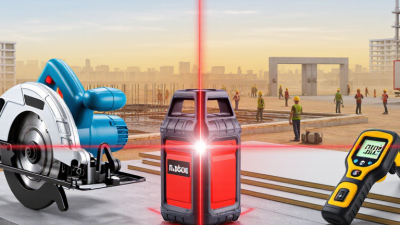
Tools improve these outcomes. Moisture meters, thermal cameras, laser levels, and digital load-monitoring devices help teams verify work on site.

They expose cold bridges, uneven surfaces, and hidden water problems. Independent certifications and laboratory reports remain essential, especially across international markets.

No material is perfect. I still see projects overvalue purchase price and undervalue maintenance.

A cheaper panel can become expensive after repeated repairs, replacement transport, and lost energy performance. Better decisions combine durability, local climate, skilled labor, and transparent product data.

Essential Construction Tools for Professional and Industrial Use

Professional construction crews need tools that survive dust, vibration, and long shifts. In 2026, global buyers should assess performance, serviceability, and documented safety features before price. A rotary hammer must deliver controlled impact energy for dense concrete, while its side handle reduces wrist strain. Cordless drills improve mobility, but spare batteries and charging systems require careful planning on remote sites. Measure twice.

For industrial work, cutting and fastening tools need stable torque, accurate guards, and accessible replacement parts. Laser levels help crews align steel frames, pipe runs, and wall tracks with fewer manual errors. Digital torque wrenches can record tightening values, supporting inspection records and maintenance audits. Dust extraction matters when drilling masonry, especially in enclosed areas. I have seen small leaks clog filters faster than expected. That detail is easy to miss.

Reliable procurement includes testing samples under realistic loads, checking voltage compatibility, and confirming clear operating instructions. Buyers should request calibration information, spare-part availability, and training materials in understandable language. Tool selection also depends on climate; humidity can damage storage cases, while cold temperatures reduce battery output. Inspect cables, blades, and guards before every shift. Replace damaged parts immediately. Follow local safety requirements. No tool removes the need for judgment.

Global Sourcing, Standards, Costs, and Import Considerations

2026 Best Building Materials and Tools for Global Buyers

Global buyers should rank materials by verified performance, availability, and landed cost. Low-carbon cement, recycled steel, insulated panels, and durable hand tools remain practical choices. The best option depends on climate, project scale, and local installation skills.

32%
UNEP’s 2024 Global Status Report estimates that buildings and construction consume 32% of global energy.
34%
The sector also produces approximately 34% of global carbon dioxide emissions.

These figures make energy efficiency a purchasing requirement, not a marketing preference.

Request test reports, safety data sheets, factory quality records, and product traceability documents. Check whether suppliers follow ISO 9001 quality systems or ISO 14001 environmental systems. Structural steel may require EN 1090 or equivalent national standards. Electrical tools need compatible voltage, frequency, plugs, and documented safety testing.

A cheaper tool can become expensive after adapters, spare parts, and training. Small details matter.

Import planning should include freight, insurance, customs charges, inland delivery, and inspection fees. UNCTAD’s Review of Maritime Transport 2024 confirms that shipping carries over 80% of global trade by volume. Delays still occur. The World Bank’s Logistics Performance Index 2023 shows major differences in customs efficiency and delivery reliability between markets.

Compare at least three supplier quotations using identical specifications. Currency changes can distort the result. No spreadsheet predicts every delay.

Buyers should also confirm packaging strength, moisture protection, warranty limits, and replacement-part availability before placing large orders. Some recommendations remain uncertain because supplier data may be incomplete or self-reported.

WhatsApp