Choosing building tools for international projects is rarely just a matter of comparing prices. A drill may look dependable in a product photo, yet feel unbalanced after a full shift. A saw’s cutting performance matters, but so do spare blades, clear specifications, and reliable support. For global buyers, these practical details can shape a purchase as much as the manufacturer’s reputation.
Engineering historian Henry Petroski, known for studying the design and development of tools, offers a useful principle: “Form follows failure.” The phrase is a reminder to examine how tools perform under real working conditions, not only how they appear in a catalogue. In building with tools, durability, ergonomics, and consistent quality deserve close attention. Small details count.
This guide introduces China’s top 10 building tools manufacturers for global buyers. It considers product range, manufacturing capabilities, quality practices, and export readiness, while recognizing that supplier information should be verified directly. Buyers should also check sample quality, communication, packaging, and after-sales arrangements before making larger commitments. No ranking can capture every workshop or jobsite. A manufacturer that suits a high-volume contractor may not fit a small distributor’s needs. That distinction is easy to overlook. The aim here is to offer a practical starting point, not a final verdict, so readers can compare suppliers with clearer questions and realistic expectations.
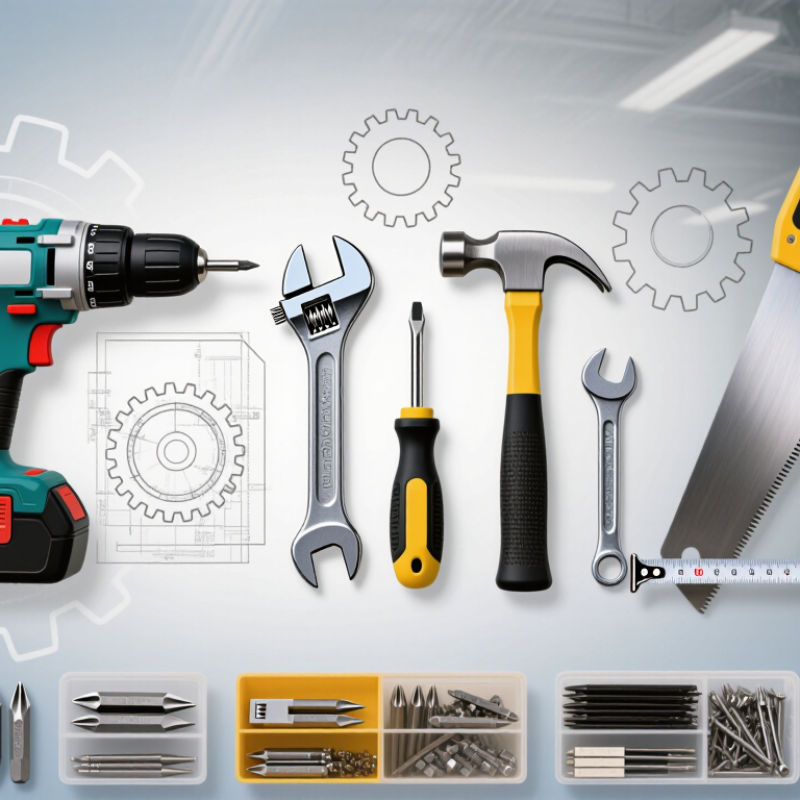
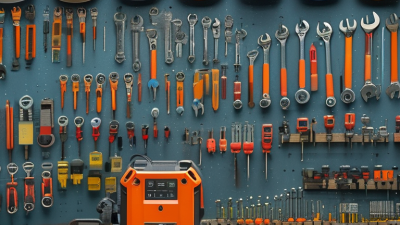
Building tools manufacturers in China produce a broad range of equipment for construction, renovation, and workshop use. Common products include hammers, pliers, screwdrivers, wrenches, clamps, and utility knives. Many factories also make tape measures, spirit levels, squares, and chalk lines for marking and checking dimensions on site. Small parts matter.
Power-tool production may include drills, grinders, saws, and accessories such as blades, bits, and sanding discs. Some manufacturers focus on one product category, while others offer coordinated tool sets, storage cases, or workbenches. Materials vary by application: steel components need suitable heat treatment, while plastic handles should resist impact and provide a secure grip. Specifications differ between suppliers, even when products look similar in a catalog.
For global buyers, the product description is only a starting point. Request measurable details, such as tool dimensions, materials, rated voltage, and test procedures where relevant. A sample can reveal loose joints, rough edges, or unclear markings that photographs may hide. Not every factory controls every production step itself, so buyers should clarify which processes are outsourced and how incoming materials are checked. Fit is not everything. Packaging, replacement parts, and consistent quality across repeat orders also deserve attention.
China’s manufacturing scale is substantial, but scale alone cannot prove that a building tools supplier is dependable. UNIDO’s International Yearbook of Industrial Statistics 2024 estimates China produced about 31% of global manufacturing value added in 2022. The World Bank’s World Development Indicators put its manufacturing value added at roughly US$4.7 trillion in 2023. These figures describe the wider industry, not any individual factory. Paper is not proof.
Evaluate each manufacturer against the tools you plan to buy. Ask for test records covering torque, cutting accuracy, insulation, or wear, as relevant to the product. Check that an ISO 9001 certificate covers the actual production site and scope; a certificate alone does not validate a tool’s performance. Request a recent inspection report, defect data, material specifications, and a sample from the same production line. Look closely at handle fit, coating consistency, moving parts, and packaging. Small flaws matter.
Then assess production control. Can the supplier trace a batch to its inspection records? Are measuring instruments calibrated, and can staff explain what happens when a test fails? A polished video may hide ordinary process gaps. Independent sampling can help, though it adds time and cost. I would not treat a low quote as a quality signal—or assume a detailed audit catches everything. A weak point may only appear after repeated use.
A useful manufacturer profile goes beyond a product list. It examines tool categories, production experience, quality checks, and support for overseas buyers. For hand tools, look for details such as steel type, grip material, finish, and tolerance control. For powered equipment, review motor specifications, safety features, spare-parts access, and service documentation.
Small details matter. A poorly finished handle can become uncomfortable during a full workday.
The ten profiles should also explain how each manufacturer handles sampling, customization, packaging, and shipping preparation. Buyers can ask for test reports, inspection records, and clear product specifications before placing large orders. Factory capacity alone is not proof of consistent quality.
Results may vary between production batches, and an online profile cannot replace a physical inspection. That limitation deserves attention.
Tips: Compare the same tool type across suppliers, using matching specifications. Request a sample and inspect its weight, balance, edges, and finish. Ask how defects are recorded and resolved. Keep questions in writing. This creates a clearer basis for comparing manufacturers, even when their product catalogs look similar.
Leading building tool manufacturers typically cover several practical categories: drills and drivers, cutting tools, fastening equipment, measuring devices, and core hand tools. Their strengths often differ. Some focus on compact motors and battery compatibility, while others emphasize forged steel, dependable calibration, or comfortable grips. For crews moving between concrete floors and tight interior spaces, balanced weight and easy-to-read markings can matter as much as raw power. Small details count.
A broad product range can simplify purchasing, but it does not guarantee consistent quality across every tool. Buyers should compare materials, replacement-part access, warranty terms, and performance under regular site use. A tape measure that retracts cleanly and a level that holds calibration save time over repeated jobs. Still, specifications cannot show how a tool feels after a full shift. That judgment takes testing.
Tips: Test representative tools on the materials you use most. Check grip comfort, battery availability, and measuring accuracy. Ask suppliers about maintenance and parts. A low purchase price may not stay low if replacement tools are hard to source.
Representative nominal lengths of commonly available building tools, shown in millimeters.
These examples reflect commonly sold tool sizes, not a ranking or company-specific data. Actual specifications vary by product and model; buyers should confirm measurements with suppliers.
Sourcing building tools from China works best when buyers define use conditions before requesting prices. A masonry trowel, adjustable wrench, or spirit level may look standard, yet handle balance, steel hardness, coating, and measurement tolerance affect daily performance. Send suppliers a concise specification with dimensions, material grade, finish, packaging, and target order quantity. Include photos or a marked drawing when a feature is easy to misread. Small details matter. This process saves time, though a specification can still miss how a tool feels after hours of work.
Compare several manufacturers using the same checklist, not just the lowest quotation. Ask what inspections happen before shipment, how defects are recorded, and whether samples match production materials. Request samples and test grip comfort, jaw alignment, scale readability, and rust resistance under ordinary workshop conditions. Confirm lead time, carton labeling, spare-part availability, and agreed remedies in writing. Video calls can clarify factory processes, but they do not replace independent inspection for larger orders. Allow time for revisions; details often change after the first sample.
Tips: Keep dated records of drawings, sample comments, and approved changes. Check a small trial order before scaling up. Ask for current test reports, and verify that their scope matches the exact model. Be direct about uncertainty. Better questions now can prevent expensive surprises later.