What Are the Best Cutting Tools to Buy in 2026?

Choosing the best cutting tools in 2026 is less about buying the newest coating and more about matching the tool to the job. A carbide end mill may cut stainless steel cleanly, while the same choice can waste money on softer stock. Material, machine rigidity, run time, and finish requirements all matter.

Grand View Research’s Cutting Tools Market Size, Share & Trends Analysis Report describes a market expected to grow through 2030. That outlook reflects continuing demand from automotive, aerospace, and general manufacturing—not proof that every shop needs premium tooling. For buyers, the useful question is narrower: which tool delivers reliable cuts at an acceptable cost per part? Look beyond the sticker price. Check tool life, compatible materials, replacement availability, and the manufacturer’s recommended cutting conditions.

There are trade-offs.

Machining researcher Tony Schmitz’s published work on machining dynamics supports a practical rule: tool performance depends on the interaction between the tool, workpiece, and machine. This is a paraphrase of his research, not a direct quotation. A sharp insert cannot compensate for a loose setup or a vibrating spindle. That detail is easy to overlook.

This guide compares cutting tools for common workshop and production needs, including carbide and high-speed-steel options, saws, and precision hand tools. It weighs durability, accuracy, ease of use, and value. Recommendations should still be tested against your material and setup; no buying guide can predict every cut.

What Are the Best Cutting Tools to Buy in 2026?

How Cutting Tools Differ by Material, Task, and Power Source

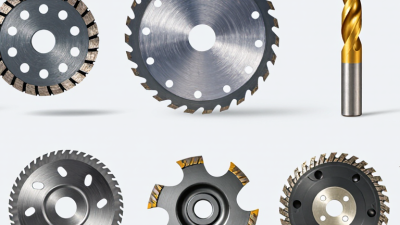
The material should guide the cutting edge. A fine-toothed hand saw leaves a cleaner finish in trim than a coarse blade, while metal often needs a blade rated for its thickness and type. For tile or masonry, an abrasive or diamond cutting edge can handle the hard surface, but dust control matters. Small details count: a blade that binds in a narrow cut can spoil the workpiece.

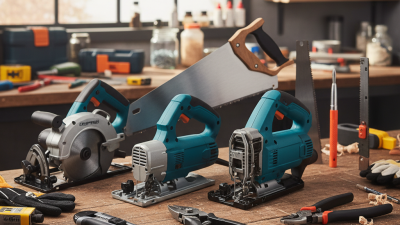
Match the tool to the task, not just the material. Pruning shears suit fresh stems; a pruning saw is more useful for thicker branches. For straight cuts in sheet goods, a circular saw offers speed, while a jigsaw can follow curves. Manual tools give steady control and need no charging. Corded tools suit long sessions near an outlet; battery-powered ones are easier to move, though runtime and weight vary. Quiet work? Choose by hand.

I would not judge a tool by speed alone. That figure says little about control, cut quality, or how tiring it feels after an hour. Check the blade-change method, grip, guard, and whether replacement blades are easy to find. Match the tool’s capacity to the material, and secure the work before cutting. A detail I still find easy to overlook: the offcut needs room to fall without pinching the blade.

Which Cutting Tool Types Suit Common Jobs in 2026

What Are the Best Cutting Tools to Buy in 2026?

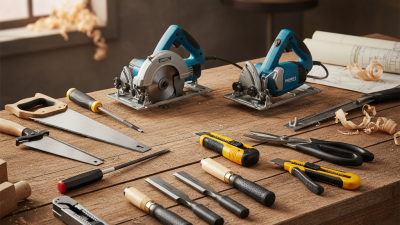
The right cutting tool depends on the material, cut shape, and how often you use it. A retractable utility knife handles cardboard, packaging, and thin floor covering. Fabric scissors make cleaner cuts through cloth than a general-purpose blade. For small branches, bypass pruning shears usually leave a neater cut than crushing-style shears. A hand saw suits short cuts in timber when powered equipment would be excessive. Simple tools still do plenty.

Tips: Match blade length to the job. Check that handles feel secure with your usual work gloves. Keep fingers clear of the cutting path, and replace or sharpen dull blades; forcing them can cause slips. Wear eye protection when cutting material that may splinter. Small details matter.

Before buying, check blade availability, locking features, and whether the tool can be cleaned or maintained easily. Stainless components can help in damp settings, but they do not make a tool maintenance-free. For repeated, precise work, comfort matters as much as cutting speed. I have found that an awkward handle can make a short task feel surprisingly tiring. Still, grip is personal, so try the tool if possible. For occasional household jobs, a few well-chosen tools are often more useful than a large set with pieces you rarely reach for.

What Are the Best Cutting Tools to Buy in 2026?

Which cutting tool types suit common jobs? This comparison rates the typical fit of general-purpose tool types for everyday materials on a 1–5 scale, where 5 means a strong match. Ratings are an editorial guide, not laboratory test results; capacity and suitability depend on the specific tool and material.

Choose for the material, thickness, cut shape, and required finish. Follow the tool maker’s instructions and use appropriate protective equipment.

Key Features to Compare Before Buying a Cutting Tool

Before comparing cutting tools, identify the material, thickness, and cut you expect to make most often. A tool suited to thin sheet may struggle with dense stock. Check its cutting capacity against real measurements, not just a product category. For powered tools, compare speed control, battery or cord requirements, and how cleanly the tool cuts under load. A fast cut is not always a neat one.

Accuracy and handling matter just as much. Look for clear depth or angle adjustments, a stable guide, and a comfortable grip you can maintain during repeated cuts. Safety features should be easy to use, not awkward add-ons. Also consider blade availability, replacement cost, and how simple routine cleaning will be. It is easy to overvalue extra features; a setting you rarely use may not justify added weight or complexity. Some advertised capacities can feel optimistic, so check independent measurements when available.

Tips: If possible, hold the tool before buying. Check the balance, sightline, and switch placement. Read the manual’s material limits, and leave room in your budget for suitable blades.

Best Tool Choices for Wood, Metal, Tile, and General Use

Choosing a cutting tool starts with the material and the cut, not the motor size. For straight cuts in sheet goods or framing lumber, a circular saw is practical; a guide rail helps keep the edge clean. A jigsaw handles curves and openings, though its blade can wander in thick stock. Test the cut on scrap first. It saves material.

Metal needs a blade or wheel rated for that specific job. A hacksaw offers control for small pipes and threaded rods, while a metal-cutting bandsaw can make repeatable cuts with less hand effort. An abrasive cutoff tool works quickly, but it creates sparks and heat. Secure the workpiece, clear nearby combustibles, and use eye and hearing protection. I still find it easy to underestimate how hot a small offcut becomes.

Tile calls for a wet saw when straight, accurate cuts matter, especially on dense porcelain. A manual score-and-snap cutter can be faster for suitable ceramic tile, but it may chip glazed edges. For mixed household tasks, an oscillating multi-tool is useful around trim, tight corners, and repair openings; it is not a substitute for a full-size saw on long cuts. Check blade compatibility, use dust control where possible, and let the material guide your pace. Don’t force it.

How to Balance Safety, Durability, and Long-Term Value

What Are the Best Cutting Tools to Buy in 2026?
How to Balance Safety, Durability, and Long-Term Value

The best cutting tool is not always the sharpest or most expensive. Match it to the material and task: a fine-toothed saw suits clean wood cuts, while sturdy shears handle repeated trimming. Check that the grip feels secure, even with work gloves on, and that guards or locks work smoothly. That matters. A tool that feels awkward on a store test may feel worse after an hour of use.

Tips: Inspect the handle, moving parts, and replacement-blade availability before buying. Look for a stable grip and clear safety instructions. Keep blades clean and store them covered; a dull edge can demand more force and slip more easily. Don’t skip routine checks.

For long-term value, consider maintenance and repair, not just the price tag. A durable tool should resist loosening or corrosion under normal care, but no edge stays sharp forever. Compare the cost of replacement parts with the cost of replacing the whole tool. It is easy to overbuy for a task you rarely do; I would rather choose a reliable, well-fitting tool than pay for features that sit unused. Still, comfort is personal, so test the balance if possible.

What Are the Best Cutting Tools to Buy in 2026? — How to Balance Safety, Durability, and Long-Term Value
Tool Type Best Suited Materials Typical Strength Safety Considerations Durability and Upkeep Indicative Purchase Cost (USD) Long-Term Value
Retractable Utility Knife Cardboard, packaging, carpet, and thin sheet materials Fast, controlled scoring and straight cuts; blades are replaceable Retract or cover the blade between cuts. Cut away from the body and use a stable surface. Replace dull or damaged blades promptly; keep the blade mechanism clean and functioning. $5–$25 High for frequent light-duty work because replacement blades are inexpensive and widely available.
Hacksaw Metal tubing, rods, plastic pipe, and small sections of metal stock Manual cutting with good control; suitable for jobs that do not require powered equipment Secure the workpiece before cutting. Wear safety glasses and keep hands clear of the blade path. Replace worn blades and check blade tension. The frame can last for years with basic care. $10–$40 Very good for occasional metal and plastic cutting, with low operating costs and no power requirement.
Aviation Snips Thin sheet metal, including many common ductwork and roofing materials Hand-powered cutting of short curves and straight lines in sheet metal Cut edges can be sharp. Wear cut-resistant gloves and eye protection, and avoid forcing the tool. Keep the pivot clean and lubricated; replace or service snips when blades become damaged or misaligned. $15–$50 Good for sheet-metal tasks when a powered cutter would be unnecessary or difficult to control.
Bolt Cutters Chain, padlock shackles, and suitable metal rods or bolts within the tool’s rated capacity High leverage for cutting relatively hard metal by hand Use only within the rated capacity. Keep bystanders clear and wear eye protection because cut pieces may move suddenly. Check jaw alignment and pivot condition; keep cutting edges clean and protect them from corrosion. $25–$100 Good when repeated high-leverage cutting is needed; oversized models add cost and weight without helping every job.
Angle Grinder with Cutting Disc Metal and masonry, using a disc specifically rated for the material and grinder Fast powered cutting for demanding jobs; disc selection determines compatible materials Higher-risk option. Use the guard and correct disc, wear eye and hearing protection, and follow the tool’s operating instructions. Cutting discs wear and must be inspected and replaced; maintain the guard, handle, and power tool according to its manual. $40–$150, excluding discs Worthwhile for frequent, varied cutting work, but consumables, maintenance, and protective equipment add to ownership cost.
Pruning Saw Branches and woody garden material Efficient manual cutting of branches without a power source Use a stable stance, keep other people clear, and cut away from the body; store with the blade covered. Clean and dry the blade after use; protect it from rust and replace it if teeth are damaged. $15–$60 Strong value for routine garden work because it is portable and requires few consumables.
Cost ranges are broad, indicative estimates for typical consumer tools in 2026; actual prices vary by size, material, features, and region. Choose a tool rated for the material and task, and follow its manufacturer’s instructions and applicable safety guidance.
WhatsApp